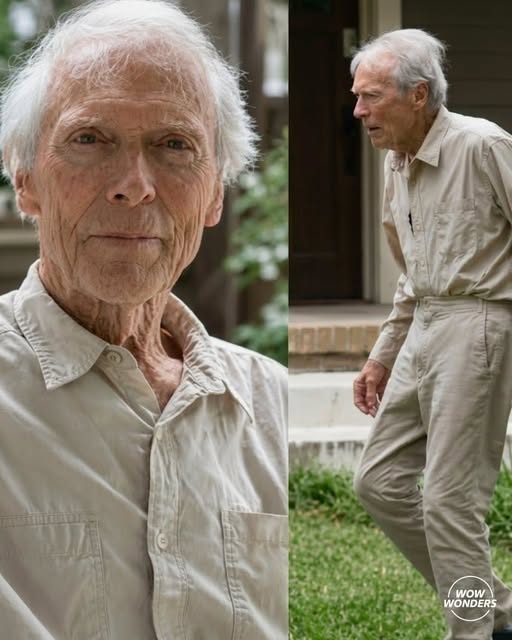
The physical decline described by figures like Clint Eastwood—where bright light causes pain and bones lose their flexibility—is merely the visible threshold of a much deeper transformation. As the body loses its cooperation, the social landscape of the elderly also undergoes a profound contraction. The most significant burden of extreme old age is the quiet, persistent loneliness that follows the loss of peers, partners, and the shared history that once anchored a person to their community and their own identity. This isolation is not merely a lack of company; it is the absence of a witness to one’s past. When the people who shared your formative years, your private jokes, and your hardest struggles are gone, the world begins to feel like a foreign landscape, one where your history is no longer reflected in the eyes of those around you.
In this diminished social sphere, memory serves as a vital psychological survival mechanism. When the present becomes silent and the circle of familiar faces shrinks, the mind naturally retreats into the past. The tendency of the elderly to repeat stories is often misconstrued by younger generations as a sign of cognitive decline or mere nostalgia. In truth, this storytelling is an active, desperate attempt to maintain continuity, to keep the people and events that shaped their lives alive in a world that no longer recognizes them. They are not trying to dominate a conversation; they are trying to anchor themselves to a time when they felt active, loved, and necessary to the world around them.
Society tends to treat longevity as a prize, yet it simultaneously fails to accommodate the slow, repetitive rhythm of the very old. We celebrate the vitality of youth while relegating the elderly to the margins, effectively silencing the living archives of our history. These individuals carry the weight of decades of human experience, yet they are often met with impatience or boredom. Bridging this generational gap requires a conscious effort from the young to slow down and practice active, empathetic listening, recognizing that the stories being told are the bedrock of our collective identity.
The concept of aging gracefully is often a superficial narrative that obscures the grit required to survive one’s nineties. It is not a state of passive peace, but a continuous process of adaptation to loss and limitation. When we romanticize this stage of life, we do a disservice to the elderly by ignoring the reality of their struggle. Acknowledging the difficulty of these years does not diminish the dignity of the individual; rather, it honors the complexity of their journey and the weight of the history they carry. The wrinkles on their faces are not just signs of passing time; they are the topographical maps of a life fully lived, etched with the scars of resilience and the lines of endurance.
To truly respect those in their final years, we must move beyond the superficial praise of their survival. We must recognize them as essential links to our past. When we choose to put aside our digital distractions and engage in genuine, patient conversation, we collapse the distance between eras. This act of listening is not merely a kindness; it is a way of validating their existence and ensuring that their experiences are not lost to the silence of time. When a younger person engages an elder with genuine curiosity, they are not just hearing a story; they are participating in the preservation of human history.
Practical engagement with the elderly requires a fundamental shift in our daily perspective. Instead of viewing their stories as repetitive or irrelevant, we should treat them as historical records that provide context to our own lives. If you have an elderly person in your life, prioritize the quality of your time with them over the quantity. Do not simply visit; listen. Ask specific, open-ended questions about their past, their challenges, and their perspectives on the changes they have witnessed over the decades. By fostering these connections, we alleviate the burden of their loneliness and enrich our own understanding of what it means to live a full life. Ultimately, the most practical way to support the elderly is to ensure they remain active participants in the human story, proving that while their physical strength may wane, their value as keepers of our collective memory remains undiminished. We must learn to sit in the silence with them, understanding that just being present is often the most profound gift we can offer to those who have seen so much and are now navigating the quiet, final chapters of their own extraordinary narratives.