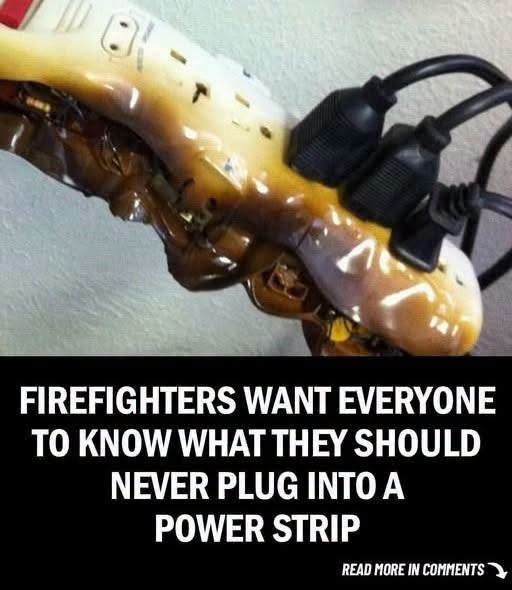
The reality is that the internal wiring of a standard power strip simply cannot support the heavy electrical load required by major appliances. When you plug a device that demands a high amount of wattage into a strip, the heat generated within the thin internal wires can quickly exceed safe limits. This buildup of thermal energy is a leading cause of residential electrical fires. It is critical to recognize that power strips are intended for low-power electronics, not for heavy-duty machinery.
High-Wattage Appliances to Avoid
Certain appliances are notorious for their high energy consumption and must always be connected directly to a dedicated wall outlet. Ovens and stoves, which require massive amounts of power to generate heat, should never share a circuit through a strip. Similarly, refrigerators require a consistent, uninterrupted power source to maintain safe temperatures; plugging them into a strip risks a power failure that could spoil food or damage the compressor. Washing machines, which can draw up to 1,400 watts during their cycles, also pose a severe risk of overheating if connected to anything other than a direct wall receptacle.
Space heaters are perhaps the most dangerous offenders in this category. These devices often run continuously at 1,500 watts, which is frequently the maximum capacity for an entire household circuit. Attempting to run a space heater through a power strip is a recipe for disaster, as the strip will likely melt or catch fire long before the heater finishes its cycle. Kitchen staples like microwaves, coffee makers, and toasters also fall into this high-wattage danger zone. Though they may seem harmless because they are small, their heating elements draw significant current that can easily overwhelm the capacity of a standard power strip.
The Dangers of Daisy-Chaining
Another common mistake that exacerbates these risks is the practice of daisy-chaining, which involves plugging one power strip into another. This creates a long, fragile chain of connections that is highly susceptible to overloading. Each additional strip adds resistance and increases the likelihood of a circuit breaker trip or, worse, an electrical fire. Safety codes strictly prohibit this practice because it compromises the integrity of the entire electrical system. Each strip should be treated as a single, limited point of access, not as an infinite expansion tool. By creating these complex chains, you are essentially creating a bottleneck for electricity that can lead to dangerous overheating at the connection points.
Surge Protection vs. Power Strips
It is also vital to distinguish between a basic power strip and a true surge protector. A basic strip is merely an extension cord with multiple outlets and offers no protection against electrical spikes. If you are plugging in sensitive electronics like computers, televisions, or gaming consoles, you should always use a high-quality surge protector. These devices are designed to divert excess voltage away from your electronics during a power surge, protecting your expensive equipment from damage. However, even a surge protector is not a license to plug in high-wattage appliances; the fundamental rules of electrical load capacity still apply regardless of the device’s features or its ability to manage voltage fluctuations.
Practical Safety Steps
To ensure your home remains safe, begin by inspecting the wattage rating printed on the back or bottom of your power strips. This number represents the absolute maximum power the strip can handle safely. If you are unsure about the power requirements of your appliances, check the manufacturer’s label, which usually lists the wattage or amperage. If the total wattage of the devices plugged into a strip exceeds the strip’s rating, you are operating in a dangerous zone. Always prioritize plugging high-energy appliances directly into the wall. By respecting the limits of your home’s electrical infrastructure, you can prevent preventable fires and ensure that your living space remains both functional and secure for your family. When in doubt, leave the outlet clear and avoid the temptation to add more devices to a single point of power. Always prioritize safety over the convenience of an extra port.