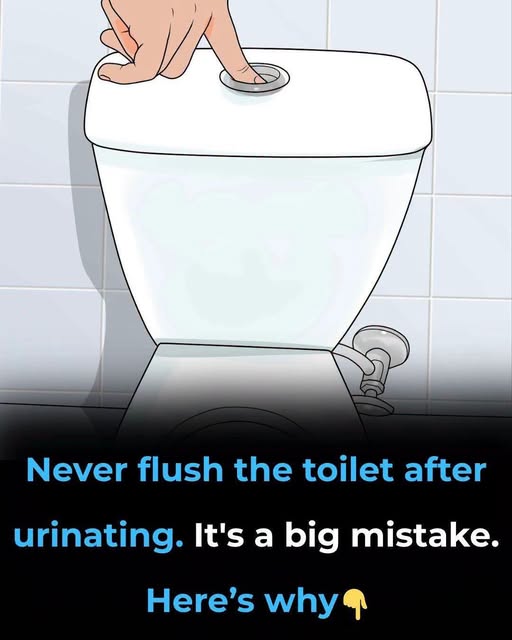
…the true scale of the waste. Over the course of a year, these individual flushes accumulate into tens of thousands of liters of squandered water. In an era defined by global water scarcity and rising utility costs, this habit is no longer just a minor domestic chore; it is a significant financial and environmental oversight that many households are only beginning to reckon with. The question is no longer just about plumbing, but about the legacy we leave behind in every drop we discard.
For generations, a pragmatic, if controversial, mantra has echoed through the halls of conservation-minded households: “If it’s yellow, let it mellow; if it’s brown, flush it down.” While the phrase often draws a chuckle or a grimace, its underlying logic is undeniable. By choosing to skip the flush for liquid waste, you are effectively cutting your bathroom water consumption by a massive margin. The primary barrier to this practice is rarely technical, but rather psychological—the fear of odor and the ingrained societal demand for absolute sterility. However, these concerns are easily managed with consistent cleaning and the use of natural, effective scents that keep your bathroom environment fresh without the heavy cost of constant flushing.
If the “mellow” approach feels too radical for your lifestyle, technology offers a bridge between convenience and conservation. Dual-flush toilets have become the gold standard for the modern, mindful home. These systems provide a targeted solution, allowing you to use a minimal amount of water for liquid waste while reserving the full-power flush for when it is truly necessary. It is a simple mechanical adjustment that yields immediate, measurable results on your monthly water bill.
Beyond hardware, the most powerful tool at your disposal is mindfulness. We have been conditioned to flush out of habit rather than necessity. By simply pausing to consider the impact of each handle-press, you can drastically reduce your household footprint without sacrificing your standard of living. For those living in rural areas or those looking to take the ultimate step in sustainability, options like composting toilets offer a path to near-zero water usage, proving that our current reliance on treated water for waste disposal is a choice, not a biological requirement.
Ultimately, the change begins with a shift in perspective. We are currently flushing away thousands of dollars and precious natural resources under the guise of normalcy. By rethinking these small, everyday actions, you reclaim control over your home’s efficiency. It is an easy, dignified way to contribute to a more sustainable future, one flush at a time. The next time you reach for that handle, remember: you are holding the power to save, or the power to waste.