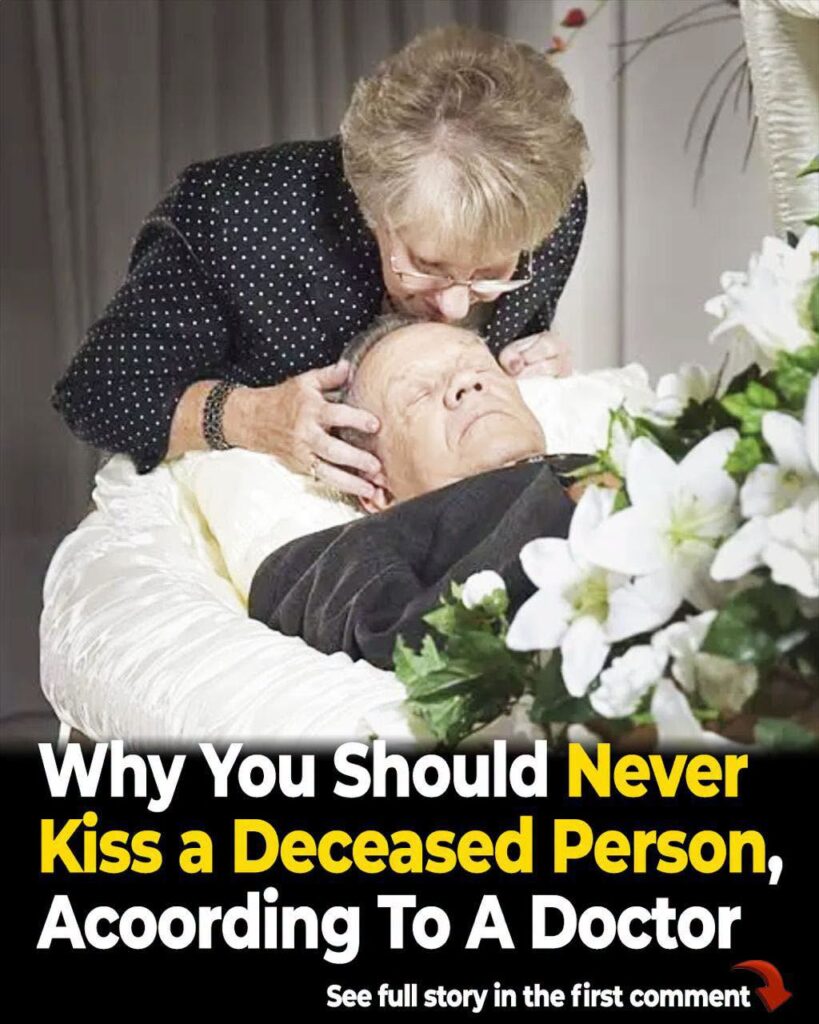
In the video, Ivanovik explains that after death, the human body gradually begins the natural process of decomposition. According to his warning, this process can create conditions that allow bacteria to develop and spread. He suggested that close contact with a deceased person’s face could potentially expose individuals to microorganisms that may pose health risks.
The doctor specifically claimed that bacterial exposure during such contact could affect a person’s sense of smell. His comments quickly caught the attention of social media users, many of whom admitted they had never considered the possibility of health concerns associated with traditional farewell rituals.
The video prompted a wide range of reactions online. Some viewers thanked the doctor for sharing information they believed was important and educational. Others questioned the severity of the risk or pointed out that funeral practices vary greatly depending on cultural, religious, and family traditions.
Many comments came from people reflecting on their own experiences of saying goodbye to loved ones. One emotional viewer wrote that they had kissed their father during a final farewell and would do so again without hesitation, regardless of any potential health concerns. Similar responses highlighted the deep emotional significance that such gestures can hold for grieving families.
The discussion has underscored the complex relationship between public health advice and cultural traditions. In many parts of the world, touching, kissing, or embracing a deceased loved one is considered an important part of the grieving process. These acts often provide comfort, closure, and a final opportunity to express love and respect.
Health experts generally note that the level of risk can vary depending on factors such as the cause of death, the condition of the body, environmental conditions, and whether proper funeral preparation procedures have been followed. Modern funeral practices often include preservation and sanitation measures designed to reduce potential health hazards.
At the same time, professionals emphasize that individuals should remain informed about any possible risks associated with handling deceased persons, particularly in situations involving infectious diseases or unusual circumstances. Funeral homes and healthcare providers can often offer guidance regarding safe practices during viewings and memorial services.
The viral video has also highlighted the challenges of discussing sensitive topics online. While some people appreciated the doctor’s effort to raise awareness, others felt the message needed greater context to avoid causing unnecessary fear or distress among grieving families.
Regardless of differing opinions, the conversation has encouraged many people to think more carefully about practices that are often carried out without considering potential health implications. It also serves as a reminder that public health recommendations sometimes intersect with deeply personal traditions and emotional experiences.
Ultimately, Dr. Ivanovik’s video has opened a broader discussion about balancing safety considerations with cultural customs and individual choices. For many people, saying goodbye to a loved one remains one of life’s most emotional moments, and decisions surrounding those final farewells are often guided as much by the heart as by health advice.
As the discussion continues online, the video has succeeded in raising awareness about an issue few people had previously considered, while also highlighting the importance of approaching sensitive subjects with both compassion and understanding.