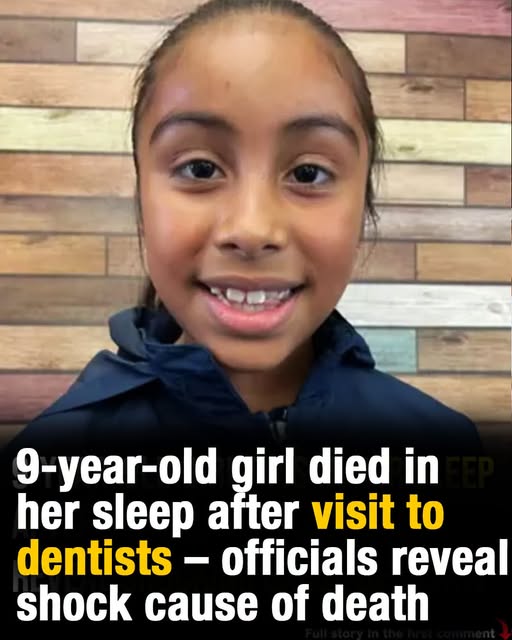
…that would eventually steal her life while she slept. As the afternoon stretched into evening, the house grew unnervingly still. The heavy snoring that the family had been told was normal began to soften, then faltered, and finally, it ceased altogether. When the silence became too heavy to bear, the realization hit with the force of a physical blow: Silvanna was not merely sleeping. By the time they rushed her to the hospital, the medical team could only confirm the impossible. Her heart had stopped, and the light had gone out of a life that had barely begun.
The autopsy report that followed introduced a term most parents never hope to hear: methemoglobinemia. It is an extraordinarily rare and aggressive condition where the blood loses its ability to carry oxygen effectively. In Silvanna’s case, it was a catastrophic reaction triggered by the cocktail of anesthetic drugs, including nitrous oxide, administered during her procedure. The oxygen simply stopped reaching her vital organs, effectively suffocating her from the inside out while she lay in the supposed safety of her own home.
The dental clinic remains steadfast in its defense, claiming that every protocol was meticulously followed and that all vital signs were stable before discharge. They point to checklists and standard procedures, maintaining that this was an unforeseeable, freak medical anomaly. However, the shadow of the past looms large over their claims. It has since come to light that the dentist in charge had previously faced investigations and probation following a separate, near-fatal incident involving a patient under sedation.
This revelation has turned a family’s grief into a crusade for accountability. For the Morenos, the question is no longer just about the medical rarity of the condition, but about the history of the person holding the syringe. If a practitioner has a track record of danger, how can a routine procedure be considered safe? The tragedy has left a community reeling and parents everywhere questioning the hidden risks behind the sterile white walls of medical offices.
Silvanna’s story serves as a harrowing reminder that vigilance is the only currency a parent has when protecting their children. It forces us to confront the terrifying reality that even in the most mundane circumstances, the unthinkable can happen. While we cannot live in constant fear, the loss of this young girl demands that we ask harder questions, demand transparency, and never dismiss the warning signs—no matter how “routine” the experts tell us the procedure might be.