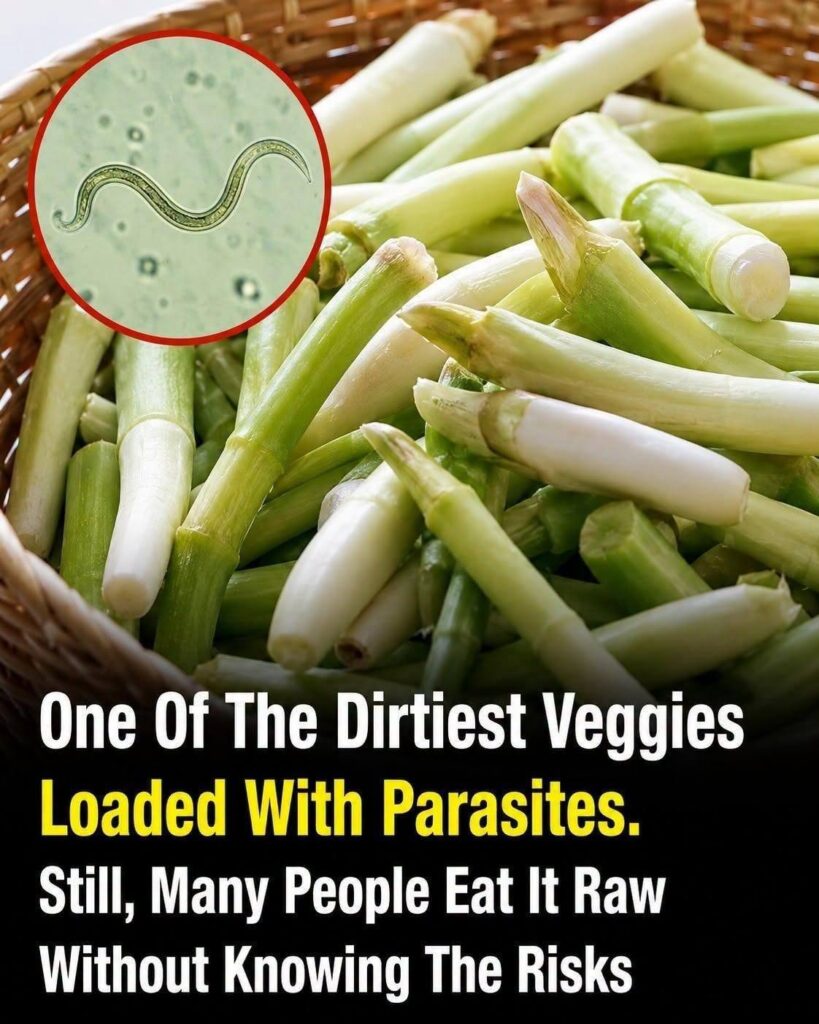
Also known as scallions, green onions are rich in important nutrients, including vitamins K and C, folate, antioxidants, and dietary fiber. These nutrients support bone health, immune function, and overall well-being. However, because green onions grow close to the ground and are often exposed to soil, water, and outdoor environments, they can occasionally become contaminated before they ever reach your kitchen.
Contamination can occur at several points throughout the growing and distribution process. Green onions may come into contact with polluted irrigation water, contaminated soil, animal waste, or improperly sanitized equipment during harvesting and packaging. Although growers follow food safety standards, harmful bacteria such as Salmonella, E. coli, and Listeria can sometimes find their way onto fresh produce.
One factor that makes green onions particularly challenging to clean is their structure. Their tightly layered stalks can trap dirt, debris, and microorganisms deep within the plant. A quick rinse under running water may remove visible soil, but it may not always eliminate all contaminants hidden between the layers.
The risk becomes greater because green onions are frequently consumed raw. Unlike foods that are cooked thoroughly, raw vegetables do not undergo a heating process that can kill harmful bacteria. If contaminated produce is eaten without proper cleaning, it can potentially cause foodborne illness.
Symptoms of foodborne infections can range from mild to severe. Some individuals may experience nausea, stomach cramps, vomiting, diarrhea, or fever within hours or days after consuming contaminated food. While most healthy adults recover without complications, certain groups face a greater risk of serious illness.
Young children, older adults, pregnant women, and people with weakened immune systems are particularly vulnerable to foodborne bacteria. For these individuals, even a small amount of contamination can sometimes lead to more significant health concerns.
Fortunately, there is no need to avoid green onions altogether. They remain a nutritious and flavorful addition to a balanced diet. The key lies in proper cleaning, handling, and storage practices.
Food safety experts recommend starting by removing any damaged or wilted outer layers. The root ends should also be trimmed away before washing. Instead of relying solely on a quick rinse, place the green onions in a bowl of cold water and gently separate the stalks while rubbing them to remove dirt and debris. Special attention should be given to the lower portions near the roots, where soil often collects.
Preventing cross-contamination is equally important. Fresh produce should be kept separate from raw meat, poultry, seafood, and eggs. Cutting boards, knives, and countertops should be thoroughly cleaned after contact with raw foods before being used for vegetables. Washing your hands before and after handling produce is another simple but effective way to reduce risk.
Proper storage also plays a role in maintaining freshness and safety. Green onions should be refrigerated as soon as possible and kept at a consistent cold temperature. Regularly inspect them for signs of spoilage. If they become slimy, develop discoloration, or produce an unpleasant odor, it is best to discard them.
Like many fresh vegetables, green onions offer significant health benefits when handled correctly. Awareness of potential contamination risks should not create fear but rather encourage good food safety habits. By taking a few extra moments to clean, store, and prepare them properly, you can continue enjoying their flavor and nutritional value while minimizing the risk of foodborne illness.
Simple precautions in the kitchen can make a meaningful difference. With proper hygiene and safe food handling practices, green onions can remain a healthy and enjoyable part of your meals.