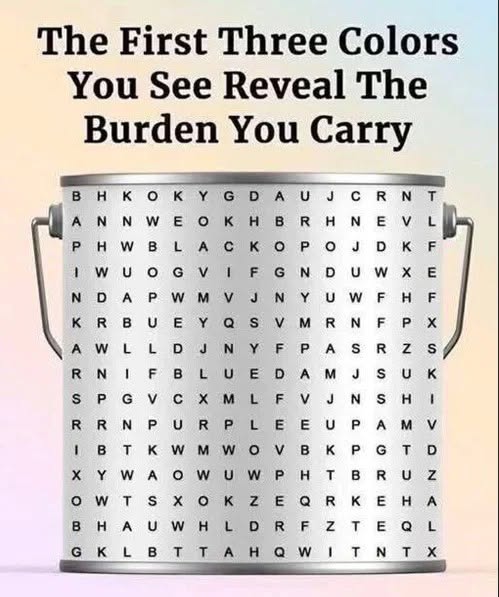
While color choices are often influenced by fashion, culture, and personal taste, psychologists have long studied the connection between color and emotion. Certain colors consistently evoke specific feelings and reactions, making them a powerful form of nonverbal communication.
Many people notice that their favorite colors change throughout different stages of life. During stressful periods, calming shades may feel more appealing. During times of excitement or confidence, brighter and bolder colors often take center stage. These subtle shifts can reflect changing emotional needs and personal experiences.
Red is one of the most emotionally intense colors. Associated with passion, energy, love, and determination, red naturally attracts attention. People drawn to red may be seeking confidence, motivation, or excitement. It is a color that symbolizes action and vitality. However, red can also be linked to stress, frustration, or emotional intensity. Because it demands attention, those who avoid red may prefer a quieter, less confrontational presence.
Blue is often considered the color of peace and stability. Reminiscent of clear skies and calm oceans, blue promotes relaxation and reflection. People who favor blue frequently value harmony, reliability, and emotional balance. It is no surprise that many healthcare facilities, wellness centers, and meditation spaces incorporate blue tones to create a soothing atmosphere. At the same time, an overwhelming preference for blue may occasionally reflect a desire for emotional distance or protection from stress.
Green is widely associated with growth, healing, and renewal. Found abundantly in nature, green often symbolizes balance and restoration. Individuals who are drawn to green may be seeking stability, recovery, or a fresh start. Green can create a sense of calm while encouraging personal growth and emotional resilience. On the other hand, avoiding green may sometimes suggest discomfort with change or uncertainty about entering a new phase of life.
Yellow represents optimism, happiness, and creativity. Bright and energetic, yellow is often associated with curiosity and positive thinking. People attracted to yellow may be looking for inspiration, joy, or mental stimulation. Because it is highly visible and attention-grabbing, some individuals avoid yellow when they feel vulnerable or overwhelmed. Even small touches of yellow can introduce warmth and positivity into daily life.
Purple combines the passion of red with the tranquility of blue, creating a color often linked to wisdom, spirituality, and self-discovery. Throughout history, purple has been associated with royalty, creativity, and transformation. Those who find themselves drawn to purple may be exploring deeper questions about life, personal growth, or meaningful change. Others may avoid it because its introspective qualities feel too emotionally intense.
Neutral colors also carry emotional significance. Black is often associated with strength, sophistication, and protection. Many people wear black not because they feel sad, but because it provides a sense of confidence and control. White, by contrast, symbolizes simplicity, clarity, and new beginnings. It is often chosen during periods when people seek order, peace, or a fresh perspective. Gray occupies the space between the two, frequently reflecting contemplation, neutrality, or emotional rest. While gray can feel calming, excessive use may sometimes mirror feelings of exhaustion or emotional withdrawal.
Scientific research supports the idea that colors influence both mood and physical responses. Studies have shown that red can increase heart rate and stimulate energy levels, while blue can encourage relaxation and lower stress. Green is known to support concentration and reduce anxiety, while yellow may enhance alertness and creativity. These responses help explain why color plays such a significant role in marketing, interior design, healthcare environments, and everyday decision-making.
Cultural traditions also influence how colors are interpreted. While some meanings vary across societies, the emotional impact of color remains remarkably consistent. Regardless of cultural background, people often respond to colors instinctively before consciously analyzing their feelings.
The colors we choose each day are rarely random. The sweater that feels comforting, the favorite coffee mug, or the paint color selected for a room may all reflect deeper emotional needs. During difficult times, people often gravitate toward softer or darker tones. As confidence and happiness return, brighter colors frequently reappear.
Paying attention to these preferences can provide valuable insight into our emotional well-being. The next time you find yourself drawn to a particular color, consider what it might be telling you. Colors serve as a silent language, expressing emotions, desires, and experiences that words sometimes struggle to capture.
In many ways, color acts as a mirror of the inner self. By understanding the emotional messages hidden within our color choices, we can gain a deeper awareness of our feelings, our needs, and the journey we are currently navigating through life.