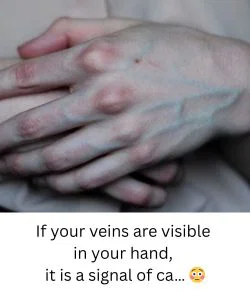
The liver plays a critical role in keeping the body functioning properly. It filters toxins from the bloodstream, produces bile to aid digestion, stores nutrients, and helps regulate numerous metabolic processes. Because the liver influences circulation and fluid balance, problems affecting this organ can occasionally produce visible changes elsewhere in the body.
Why Hand Veins Become More Noticeable
Visible veins are often a normal part of aging and body structure. People with thinner skin, lower body fat, or naturally superficial veins may notice them more easily. Veins can also become more prominent during exercise, in hot weather, or after activities that increase blood flow.
In some situations, however, unusually noticeable veins may occur alongside other symptoms that warrant medical attention. When liver disease progresses, changes in blood flow and fluid regulation can affect circulation throughout the body, potentially contributing to swelling or other vascular changes.
Understanding Vein Color
Many people assume their veins are blue or green, but blood inside veins is actually dark red. The blue or green appearance results from the way light interacts with the skin and underlying tissues.
Healthy veins commonly appear blue, bluish-green, or green depending on skin tone and thickness. The color alone is not typically a reliable indicator of liver disease. However, when visible veins are accompanied by swelling, fluid retention, or other concerning symptoms, it may be worth discussing them with a healthcare professional.
Signs That May Accompany Liver Problems
Prominent hand veins by themselves rarely indicate liver disease. However, doctors recommend paying attention when they occur alongside other symptoms that could suggest liver dysfunction.
Possible warning signs include:
- Yellowing of the skin or eyes (jaundice)
- Swelling in the abdomen
- Swelling in the legs or ankles
- Persistent fatigue or weakness
- Dark-colored urine
- Pale or clay-colored stools
- Chronic itching
- Easy bruising or bleeding
- Unexplained weight loss
These symptoms may indicate that the liver is struggling to perform its normal functions and should be evaluated by a medical professional.
How Liver Disease Can Affect Circulation
The liver acts as a major hub for blood flow. When significant liver damage develops, such as in cirrhosis, blood may have difficulty moving through the liver efficiently.
This can lead to increased pressure within certain blood vessels and contribute to fluid accumulation in different parts of the body. In advanced cases, visible veins may appear more pronounced, particularly in the abdomen, chest, or other areas where circulation has been altered.
However, it is important to remember that visible veins on the hands are far more commonly related to normal aging, genetics, or lifestyle factors than to serious liver disease.
Supporting Liver Health
Whether or not visible veins are a concern, maintaining a healthy liver is beneficial for overall wellness.
Eat a Nutrient-Rich Diet
Focus on:
- Fresh fruits and vegetables
- Whole grains
- Lean protein sources
- Healthy fats
Limiting highly processed foods, excess sugar, and fried foods can help reduce strain on the liver.
Limit Alcohol Consumption
Excessive alcohol intake remains one of the leading causes of liver damage. Drinking in moderation—or avoiding alcohol entirely—can significantly reduce risk.
Stay Hydrated
Adequate hydration supports circulation and helps the body perform many essential functions efficiently.
Exercise Regularly
Physical activity improves blood flow, supports a healthy weight, and helps reduce fat accumulation around the liver.
Use Medications Responsibly
Certain medications and supplements can affect liver function. Always follow dosage recommendations and consult a healthcare provider if you have concerns.
Schedule Routine Health Screenings
Regular check-ups and blood tests can help detect liver abnormalities before symptoms become severe.
When to Seek Medical Advice
If your hand veins suddenly become much more prominent or you notice accompanying symptoms such as jaundice, swelling, persistent fatigue, or unexplained changes in weight, it is advisable to seek medical evaluation.
A healthcare professional can perform blood tests and other assessments to determine whether liver disease or another medical condition may be contributing to the changes.
Final Thoughts
Visible veins on the hands are usually harmless and often reflect normal variations in age, body composition, and circulation. While liver disease can sometimes cause changes in blood flow and fluid balance, prominent hand veins alone are not considered a reliable sign of liver problems.
The most important approach is to pay attention to your overall health. If noticeable veins are accompanied by other concerning symptoms, a medical evaluation can help identify any underlying issues early. Taking care of your liver through healthy lifestyle choices remains one of the best ways to support long-term health and well-being.