
One disease that may occasionally reveal itself through leg swelling is pancreatic cancer, a form of cancer known for developing quietly and remaining undetected until it reaches an advanced stage.
Why Pancreatic Cancer Is Difficult to Detect
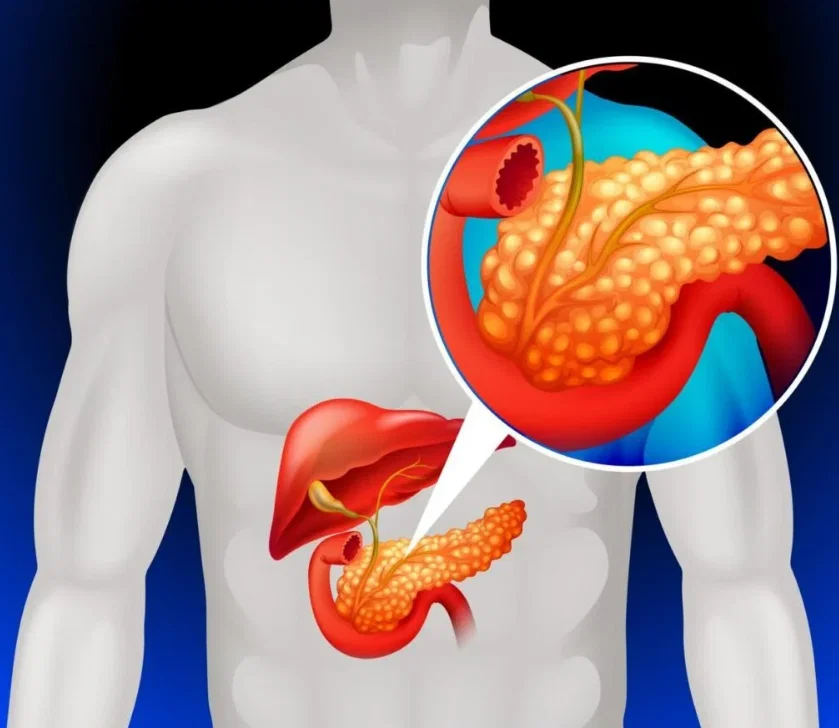
The pancreas sits deep within the abdomen, behind the stomach, where it plays a vital role in digestion and blood sugar regulation. Because of its hidden location, tumors can grow for months or even years without causing obvious symptoms.
As a result, pancreatic cancer is often diagnosed after it has already spread, making early warning signs especially important.
Recent medical research suggests that swelling in the legs, medically known as edema, may sometimes serve as one of those warning signals.
The Link Between Swollen Legs and Pancreatic Cancer
Although edema is frequently associated with more common conditions, doctors have discovered that pancreatic cancer can trigger changes throughout the body that affect blood flow and clotting.
In some patients, the disease alters blood chemistry and protein levels, increasing the likelihood of abnormal clot formation. When swelling appears suddenly, affects one leg more than the other, or develops without an obvious explanation, healthcare providers may investigate more serious causes.
Deep Vein Thrombosis: A Major Warning Sign
One of the strongest connections between pancreatic cancer and swollen legs involves a condition known as Deep Vein Thrombosis (DVT).
DVT occurs when a blood clot forms in a deep vein, most commonly in the leg. The blockage interferes with normal circulation and can lead to symptoms such as:
- Swelling in one leg
- Pain or tenderness
- Warmth in the affected area
- Red or discolored skin
Medical experts have long recognized that pancreatic ductal adenocarcinoma, the most common type of pancreatic cancer, has a particularly strong tendency to promote blood clot formation.
Unlike many other cancers, pancreatic tumors can actively stimulate the body’s clotting mechanisms, creating an environment where dangerous clots are more likely to develop.
Understanding Trousseau Syndrome
The connection between unexplained blood clots and hidden cancers has been recognized for more than a century.
French physician Armand Trousseau first observed that some patients experienced recurring blood clots before doctors discovered their underlying cancers. This phenomenon eventually became known as Trousseau syndrome.
Modern research has identified several biological mechanisms behind this relationship.
How Pancreatic Tumors Promote Clotting
Tissue Factor Release
Pancreatic cancer cells often release large amounts of a protein called Tissue Factor into the bloodstream.
This protein activates the body’s clotting process and can encourage clot formation throughout the circulatory system. Tiny cancer-related particles carrying Tissue Factor may travel through the bloodstream and trigger clotting in distant locations, including the legs.
Mucin Production
Many pancreatic tumors also produce substances called mucins.
These large proteins interact with blood cells and platelets, making the blood more likely to clot. Researchers sometimes describe this condition as creating “sticky blood,” where clotting pathways remain constantly activated.
Why Clots Often Form in the Legs
The veins in the legs naturally experience slower blood flow because they must work against gravity to return blood to the heart.
This slower circulation makes the lower limbs particularly vulnerable when clot-promoting substances are present in the bloodstream.
As a clot develops, blood begins to back up behind the blockage, leading to swelling and inflammation. In some cases, swelling may be the only noticeable symptom.
Swelling Can Also Occur Without Blood Clots
Not all leg swelling linked to pancreatic cancer results from DVT.
Advanced pancreatic disease can interfere with the body’s ability to absorb nutrients properly. This may lead to low levels of albumin, an important protein that helps keep fluid inside blood vessels.
When albumin levels fall, fluid can leak into surrounding tissues, causing swelling in both legs.
This condition, known as systemic edema, often develops gradually and usually affects both lower limbs rather than just one.
When Swollen Legs Should Be Evaluated
Doctors recommend medical evaluation when leg swelling appears without a clear explanation, particularly in individuals over age 50 or those with additional risk factors such as:
- Smoking history
- Unexplained weight loss
- Persistent abdominal discomfort
- New digestive problems
- Family history of pancreatic cancer
Diagnostic testing may include blood work, ultrasound imaging to check for blood clots, and additional scans when doctors suspect an underlying disease.
Treatment and Prevention
When pancreatic cancer-related clotting is diagnosed, treatment typically includes anticoagulant medications that help prevent existing clots from growing and reduce the risk of new clots forming.
Supportive measures may also help relieve symptoms, including:
- Wearing compression stockings
- Elevating the legs while resting
- Maintaining gentle physical activity such as walking
- Following medical advice regarding fluid management
The Importance of Early Recognition
Swollen legs are usually caused by conditions far less serious than pancreatic cancer. However, persistent, unexplained, or sudden swelling should never be ignored.
While leg edema alone does not mean someone has cancer, it can occasionally serve as an important clue that prompts further investigation. Recognizing unusual symptoms and seeking timely medical evaluation may help identify serious health conditions earlier, when treatment options are often more effective.
Important: Swollen legs have many possible causes, most of which are not cancer-related. Anyone experiencing persistent or unexplained swelling should consult a healthcare professional for proper evaluation and diagnosis.