
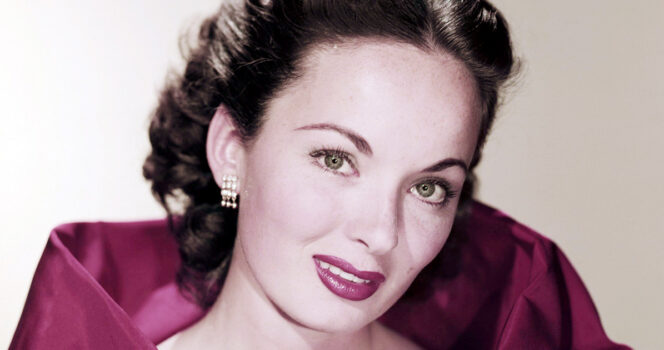
Her family remembered her not only for her remarkable career but also for the simple joys that filled her life away from the cameras.
She loved tending her garden, knitting, and creating oil paintings, many of which she happily gave away to relatives and close friends. They also shared that Blyth personally answered fan letters throughout her life, a gesture that reflected her appreciation for the people who supported her career over the decades.
She is survived by the family she cherished most—her five children, ten grandchildren, and five great-grandchildren. Her husband, Dr. James McNulty, whom she shared a long and devoted marriage with, preceded her in death. Her legacy also lives on with a star on the Hollywood Walk of Fame, honoring her lasting contributions to the entertainment industry.
Born on August 16, 1928, in Mount Kisco, New York, Blyth displayed remarkable talent from an early age. As a child, she performed on radio programs and appeared on stage before eventually making the transition to Hollywood during the mid-1940s.
Her natural acting ability, graceful screen presence, and impressive singing voice quickly made her one of the industry’s brightest young stars.
Throughout the 1940s and 1950s, Blyth appeared in numerous successful productions, including The Great Caruso, Brute Force, and Rose Marie. Her versatility allowed her to excel in both dramatic performances and musical roles, earning admiration from audiences and filmmakers alike.
However, it was one unforgettable performance that secured her place in cinema history.
At just 16 years old, Blyth starred opposite Joan Crawford in the 1945 classic Mildred Pierce. She portrayed Veda Pierce, the spoiled, manipulative daughter whose cold-hearted behavior made her one of the most memorable characters of the era.
The performance stunned audiences and critics alike.
Despite her young age, Blyth brought remarkable depth and confidence to the demanding role, earning an Academy Award nomination for Best Supporting Actress. The success of Mildred Pierce instantly transformed her into one of Hollywood’s most talked-about rising stars.
As her career evolved, Blyth gradually stepped away from major film roles but remained active in television and theater.
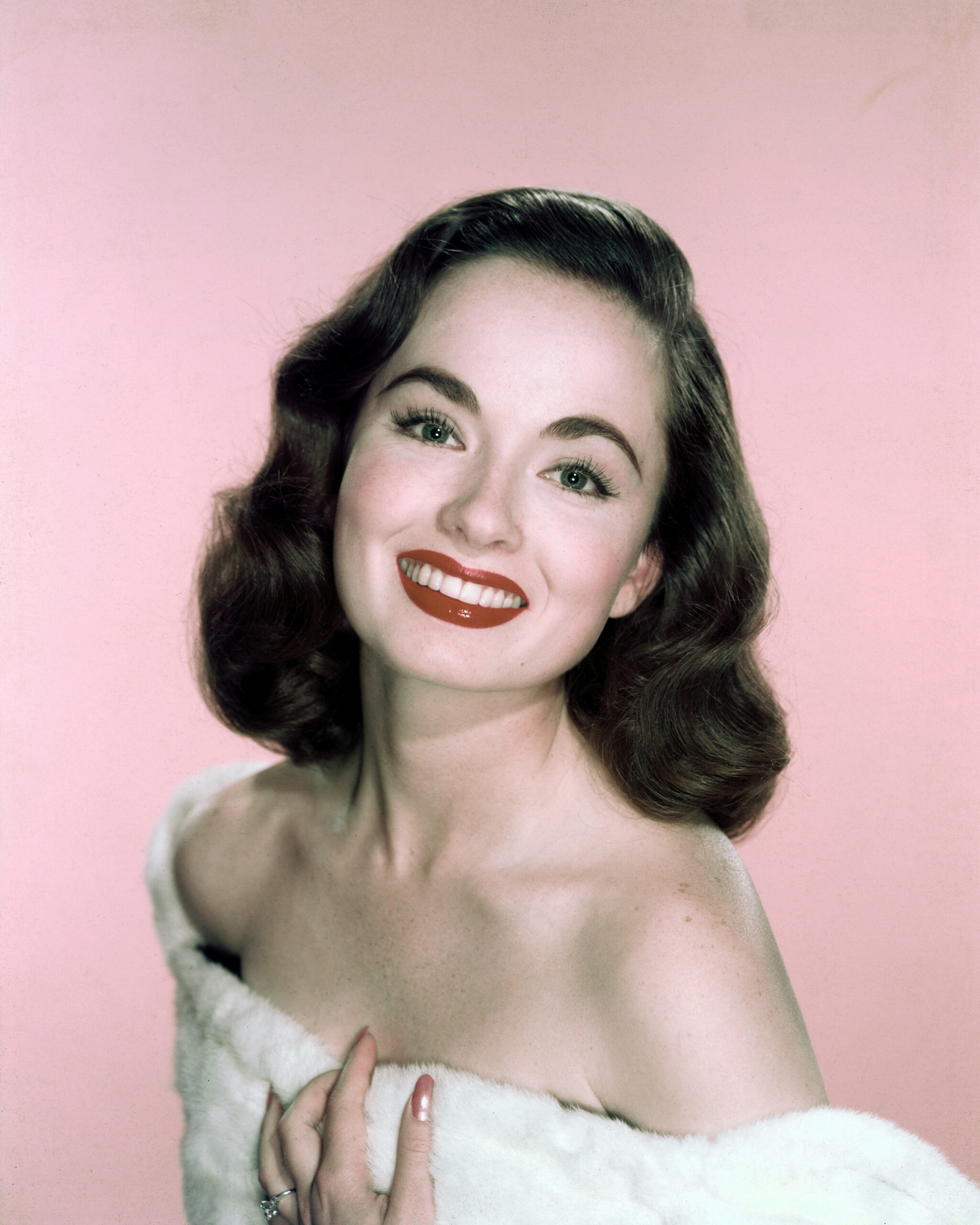
She appeared in popular series including The Twilight Zone and Murder, She Wrote, continuing to entertain audiences while showcasing the versatility that had defined her career from the beginning.
Her final screen appearances came during the 1980s before she quietly retired from acting.
Unlike many stars of her generation, Blyth embraced a more private life after leaving Hollywood’s spotlight. Friends and family often described her as warm, gracious, and deeply devoted to those she loved.
While fans will forever remember her unforgettable performances on screen, those closest to her remember a woman who found just as much happiness in painting, gardening, spending time with family, and writing personal replies to admirers around the world.
Her passing marks the loss of one of the final links to Hollywood’s legendary Golden Age—a generation of performers whose work helped shape the history of American cinema.
Although the curtain has now fallen on her remarkable life, Ann Blyth’s performances continue to inspire new audiences, ensuring that her legacy will endure for generations to come.
Rest in peace, Ann Blyth. She will be remembered not only as a gifted actress and singer but also as a gracious woman whose talent and kindness left a lasting impression both on and off the screen.