
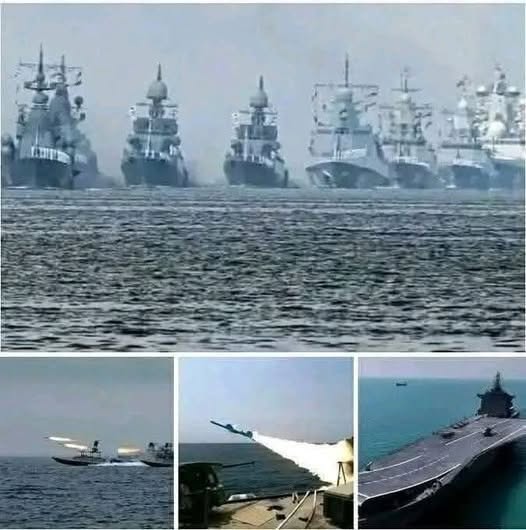
The challenge is not that international tensions are unimportant.
The challenge is that serious situations are rarely as simple as they first appear.
A Different Kind of Conflict
Many people still imagine conflict through the lens of past generations: formal declarations, visible troop movements, and unmistakable military campaigns.
Modern geopolitical competition often unfolds differently.
Cyberattacks can disrupt critical systems without a shot being fired.
Economic sanctions can create pressure without armies crossing borders.
Intelligence operations, diplomatic disputes, and strategic alliances can influence global events without fitting traditional definitions of war.
These developments matter.
But understanding them requires patience and context.
Not every confrontation becomes a war.
Not every headline signals an immediate crisis.
The Importance of Distinguishing Between Pressure and War
Countries frequently engage in actions that increase tension without crossing into direct large-scale military conflict.
Support for allies may involve humanitarian assistance, economic cooperation, intelligence sharing, or defensive aid.
Diplomatic disagreements may become intense without leading to military action.
Sanctions may create significant consequences without involving combat.
These distinctions are important because public discussion often compresses complex events into simple categories.
Reality rarely cooperates with that simplicity.
A situation can be serious without being catastrophic.
It can deserve attention without demanding panic.
Why Misinformation Travels So Quickly
Modern information systems reward speed.
The fastest claim often spreads farther than the most accurate explanation.
Social media platforms naturally amplify strong emotions because people are more likely to share content that surprises, alarms, or provokes them.
Nuance rarely moves as quickly as certainty.
Yet international affairs are filled with nuance.
A diplomatic meeting may matter more than a dramatic online rumor.
A quiet negotiation may prevent an escalation that never becomes a headline.
Many of the most important efforts to preserve stability happen far from public attention.
What Responsible Attention Looks Like
Staying informed does not require becoming fearful.
It requires becoming discerning.
Before accepting dramatic claims, it is wise to ask:
• What facts have actually been confirmed?
• Are multiple reliable sources reporting the same information?
• Is there official verification?
• Does the report distinguish between speculation and evidence?
• Does it provide context rather than only urgency?
These questions help create clarity when emotions are running high.
The Discipline of Uncertainty
One of the hardest lessons in following world events is learning to live with uncertainty.
Not every question receives an immediate answer.
Not every development points toward a predictable outcome.
Sometimes tensions rise and later ease.
Sometimes situations that seem minor become more significant over time.
Wisdom often means resisting the urge to rush toward conclusions before enough facts exist to support them.
The Bigger Picture
International security is shaped not only by military decisions but also by diplomacy, economics, technology, alliances, and human judgment.
Behind every headline are countless conversations, negotiations, and decisions taking place beyond public view.
Some of those efforts increase tension.
Others quietly reduce it.
Most people never hear about the latter.
That is why perspective matters.
Concern is appropriate when serious developments occur.
Panic rarely is.
A Better Question
In a world overflowing with alerts, opinions, and breaking news banners, the most useful question is often not:
“What is the most alarming possibility?”
But rather:
“What do the verified facts actually show?”
That question requires patience.
It requires humility.
And it requires accepting that understanding usually arrives more slowly than fear.
As global events continue to unfold, staying informed means looking beyond the loudest voices and paying attention to the quieter details that often reveal the clearest picture of reality.