Food safety specialists have long noted that sprouts require warm temperatures and constant moisture to grow.
Unfortunately, those same conditions can also allow harmful bacteria to multiply if contamination is introduced at any point during production.
Because contamination may be invisible, sprouts can appear fresh, smell normal, and taste perfectly fine while still posing a health risk.
This is not unique to sprouts.
Many fresh foods—including leafy greens, fruits, and vegetables—can become contaminated during growing, harvesting, transportation, storage, or preparation.
The vast majority are consumed safely every day, but occasional failures in the food system can have serious consequences.
Why Foodborne Illnesses Affect People Differently
Not every exposure leads to severe illness.
Many people recover from foodborne infections with relatively mild symptoms. Others, particularly older adults, pregnant women, individuals with weakened immune systems, or those with underlying health conditions, may face a greater risk of complications.
This is one reason public health officials place such importance on food safety practices.
A risk that may be minor for one person can become much more serious for another.
Awareness Without Fear
Health experts emphasize that cases like this should encourage awareness rather than anxiety.
Healthy eating remains one of the most valuable habits people can develop.
Fresh fruits, vegetables, and other minimally processed foods provide important nutritional benefits and contribute to long-term well-being.
At the same time, wisdom includes understanding that no food is completely risk-free.
Simple precautions can help reduce the likelihood of illness:
- Wash produce thoroughly when appropriate
- Store foods at proper temperatures
- Prevent cross-contamination in the kitchen
- Follow food safety advisories and recall notices
- Prepare foods according to public health recommendations
For individuals in higher-risk groups, healthcare providers may also recommend avoiding certain raw foods altogether.
The Human Side of the Story
What resonates most deeply about stories like this is not simply the medical aspect.
It is the reminder that life remains fragile, even when people make responsible choices.
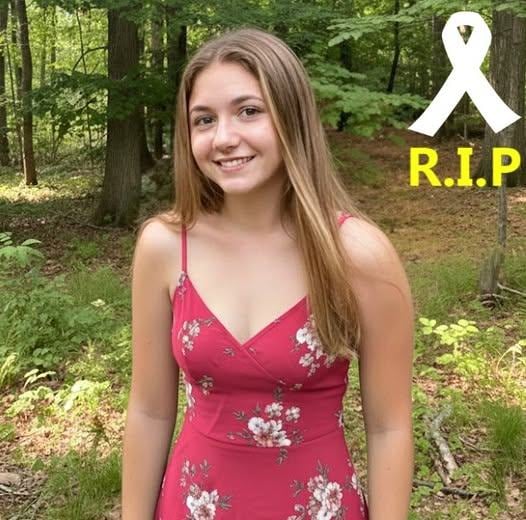
Many who knew her described a person committed to caring for herself and those around her. Her story has prompted conversations about trust in food systems, consumer awareness, and the importance of continued improvements in safety standards.
Those conversations matter.
Not because they should create fear, but because they help encourage greater care at every level—from farms and processing facilities to restaurants and home kitchens.
A Shared Responsibility
Modern food systems are complex.
Before reaching a dinner table, produce may pass through farms, packaging facilities, transportation networks, warehouses, retailers, and food-service operations.
Every stage depends on people doing their jobs responsibly and carefully.
Most of the time, those systems work remarkably well.
When they fail, however, the consequences can remind us how interconnected we all are.
Final Thoughts
This story is ultimately about more than one food item or one investigation.
It is a reminder that health is supported not only by what we choose to eat, but also by the care taken throughout the entire chain that brings food to our tables.
Healthy habits remain worth pursuing.
At the same time, wisdom invites us to combine confidence with attentiveness, gratitude with caution, and trust with responsibility.
We cannot eliminate every risk in life.
But we can continue learning, improving, and caring for one another in ways that make those risks smaller.
Sometimes the most valuable lessons are not found in fear, but in the quiet reminder that vigilance and gratitude belong together.