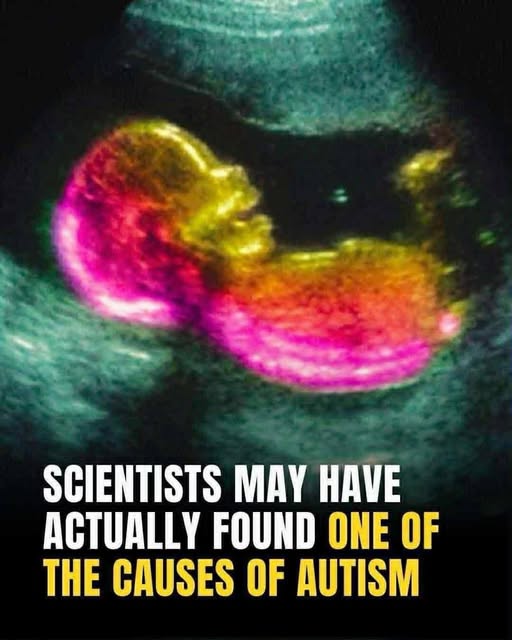
The reality is that these sensationalist claims are not just misleading; they are a disservice to the millions of individuals living on the spectrum. Science is rarely a straight line toward a single “cure.” Instead, it is a vast, intricate tapestry of genetic, biological, and environmental factors that weave together during the earliest stages of brain development. To look for one cause is to ignore the beautiful, challenging, and multifaceted nature of human neurodiversity.
Understanding the Spectrum
Before we can talk about the “why,” we must honor the “what.” Autism Spectrum Disorder (ASD) is not a disease that needs to be eradicated. It is a neurodevelopmental difference that shapes how an individual experiences the world. It manifests in unique ways: differences in social communication, a deep focus on specific interests, repetitive behaviors, and sensory sensitivities that can make a quiet room feel like a crowded stadium.
Because it is a spectrum, it is deeply personal. Some autistic individuals thrive in independent careers, building families and businesses with their unique perspective. Others require significant, lifelong support to navigate the complexities of daily life. By labeling autism as something to be “fixed,” we risk losing sight of the dignity and the inherent value of the autistic experience itself.
The Science of Complexity
Recent breakthroughs have moved us away from the hunt for a single culprit and toward a more nuanced understanding of “mosaic” mutations—or somatic mutations. These are genetic changes that occur after conception, meaning they aren’t necessarily inherited from parents, but rather arise during the development of the individual. This discovery is a massive leap forward because it acknowledges that the blueprint of the brain is not just a copy-paste of our ancestors; it is a dynamic, evolving process.
Researchers are now looking at how these mutations interact with environmental triggers and biological markers. It is a symphony of factors, not a solo performance. When we stop looking for a “smoking gun,” we start finding ways to provide better, more empathetic support. We shift the focus from “how do we stop this?” to “how do we empower this individual to live their best life?”
Moving Beyond the Hype
The next time you see a headline claiming a “final answer” to the mystery of autism, take a breath. Remember that the human brain is the most complex structure in the known universe. It does not yield its secrets to simple, one-size-fits-all explanations. True progress isn’t found in a viral post or a quick fix; it is found in the slow, steady, and rigorous work of scientists who respect the complexity of the human condition.
By rejecting the clickbait and embracing the nuance, we create a world that is more informed, more compassionate, and ultimately, more supportive of everyone, regardless of how their brain is wired. The real story isn’t about finding a cause to blame—it is about understanding the human experience in all its vibrant, diverse, and complicated glory.