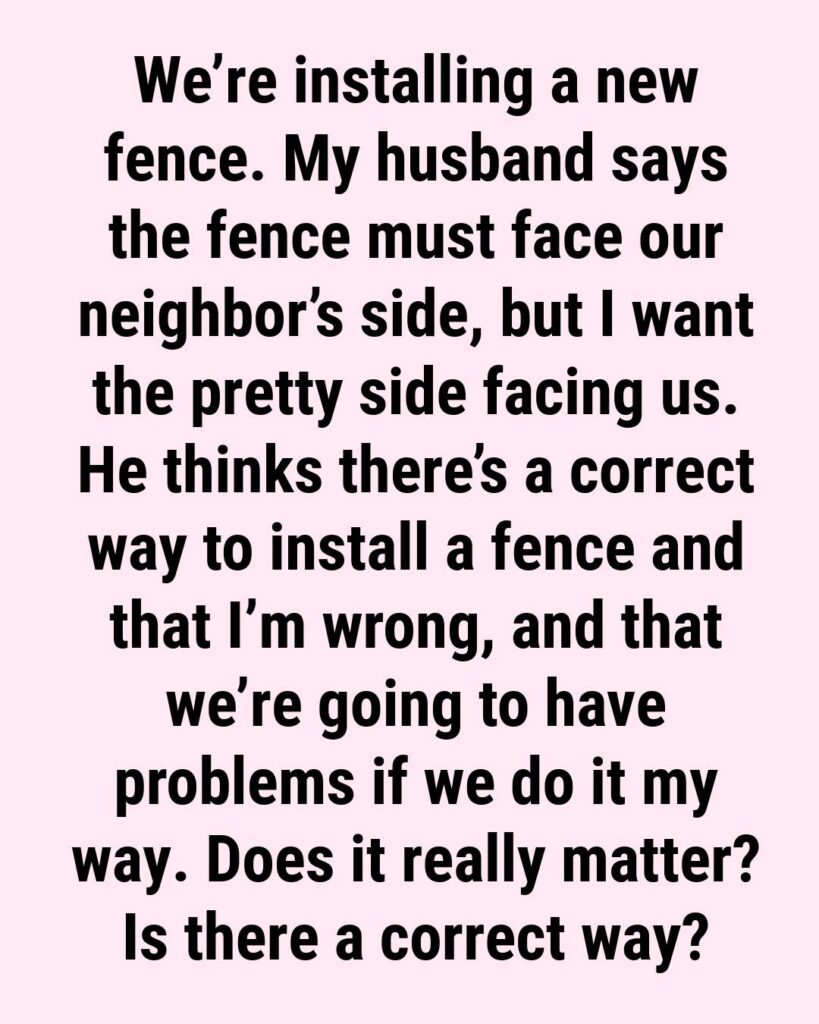
That ambiguity is what turns many fence projects into quiet sources of tension. A homeowner may believe they are simply making a practical decision about construction, while a neighbor experiences the same decision as a message about respect, consideration, or exclusion. Property lines divide land, but they also place human relationships side by side.
Most disputes are less about appearance than about ownership and control. A fence built entirely within one person’s property lines is usually theirs to design and maintain. But when a fence sits directly on the boundary, the situation changes. Shared boundaries carry shared consequences. Even when the law permits unilateral decisions, acting without conversation often creates resentment that lasts far longer than the construction itself.
For many people, fences carry emotional meaning beyond their physical purpose. Privacy, safety, and dignity become attached to them. Looking every day at exposed rails and support posts may seem minor to one person and quietly disrespectful to another. At the same time, practical concerns are not meaningless. Some owners prefer the finished side inward for security reasons, since exposed rails can make climbing easier from the outside. Others think ahead to repairs and maintenance access. Neither side is always acting out of selfishness; often, both are trying to protect what matters to them in different ways.
“A fence isn’t just a boundary between properties. It often becomes a reflection of the relationship between the people living beside it.”
This is why the strongest solution is rarely found in technical correctness alone. A homeowner may win the legal argument and still damage the atmosphere of an entire neighborhood. Most long-running “fence wars” begin not with malice, but with assumptions made in silence.
A brief conversation before construction can prevent years of discomfort afterward. Explaining practical needs, listening to concerns, and putting agreements in writing when necessary creates clarity before frustration hardens into conflict. Good boundaries do not weaken neighborliness; they make peaceful coexistence possible. The most durable fences are not simply the ones built from stronger materials, but the ones built with enough consideration that neither side feels diminished by them.