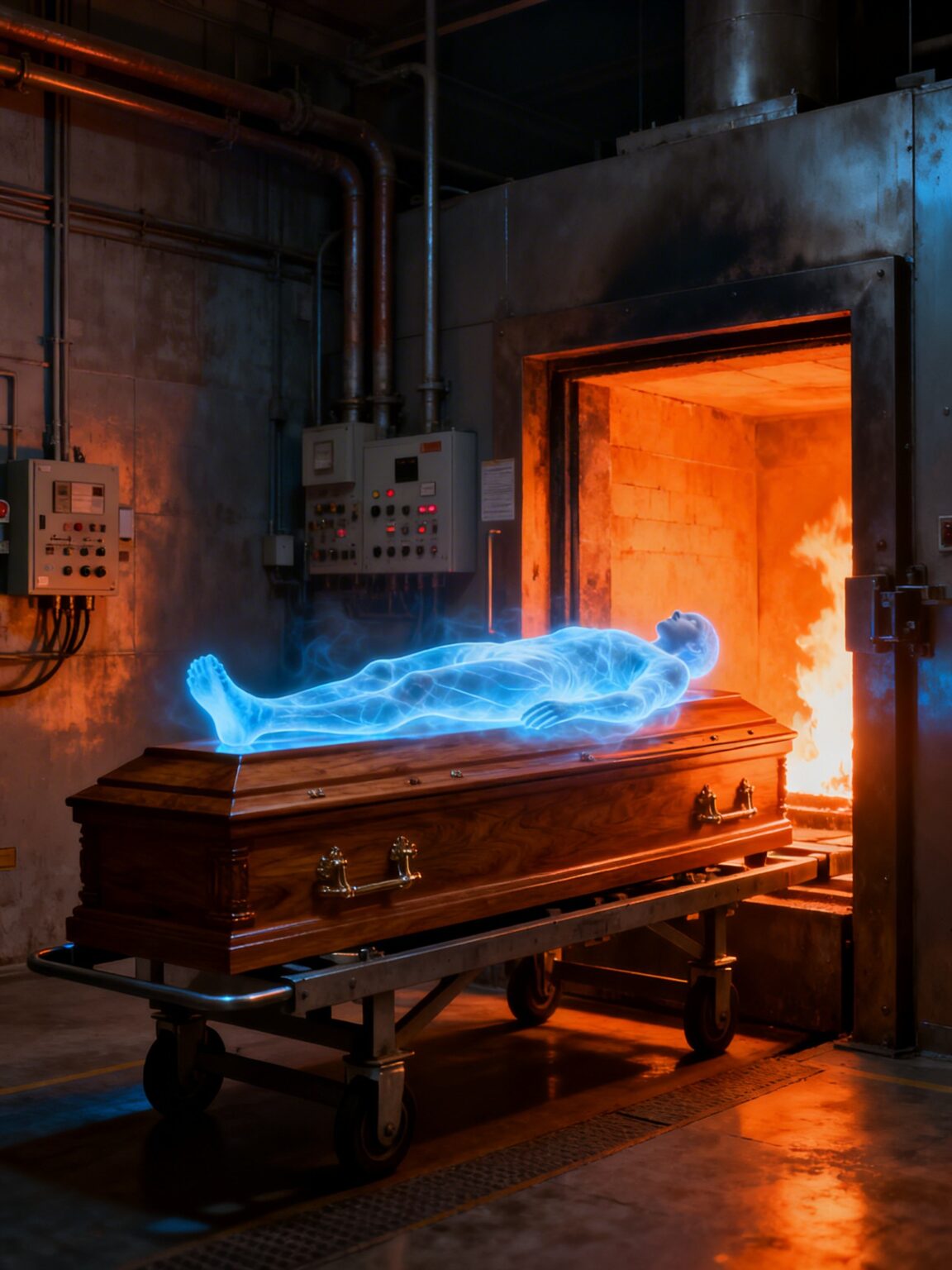
The process begins with strict identification procedures. Crematories use systems designed to ensure that each person is correctly tracked throughout every stage. Typically, a heat-resistant identification tag accompanies the body the entire time so the cremains returned to families are accurately matched.
The body is then placed into a cremation chamber, often called a retort, which operates at extremely high temperatures. Over the course of roughly one to two hours, soft tissue is reduced, leaving primarily bone fragments behind. Crematory staff monitor the process carefully and follow detailed operational and ethical standards.
After cooling, the remaining bone fragments are processed into the fine material commonly referred to as ashes or cremains. Before cremation, workers remove items that may pose safety risks under high heat, such as certain medical devices including pacemakers. Personal items like jewelry are also typically removed according to family wishes and facility policies.
People who work in cremation services are trained not only in technical procedures, but also in respectful handling and care. The goal is to treat every individual with dignity throughout the process, recognizing that families are trusting them during an extremely emotional moment.
For many people, understanding the details of cremation actually makes the subject less frightening. Knowing that the process is structured, monitored, and respectful can replace uncertainty with clarity. Open conversations about death care have increasingly helped families feel more informed and prepared when making difficult decisions for loved ones.