Facebook Twitter Instagram
    Trending
    • Unassuming Visitor Silences Arrogant Gym Members By Commanding Their Working Dog
    • I Married My School Sweetheart – On Our First Anniversary, I Overheard a Phone Call That Made Me Gasp
    • Peeing in the Shower: What You Should Know About This Shower Habit
    • My Coworkers Teased Me for Eating Lunch with the Lonely Janitor Every Day for 11 Years – At His Funeral, His Lawyer Pulled Me Aside and Said, ‘Mr. Wilson Left This for You’
    • My Grandmother Gave Me a $150 Million Luxury Hotel—My Mother-in-Law and Husband Immediately Declared, “Tomorrow We Take Over the Hotel. If You Refuse, We’re Filing for Divorce.” My Grandmother Burst Out Laughing and
    • I Gave Up 22 Years of My Life Raising My Triplet Nieces – What They Did at Their College Graduation Made Me Drop to My Knees
    • My Teenage Daughter Went on Her First Date and Never Came Home – Then I Found Something Hidden in My Son’s Room
    • With a heavy heart, we announce the passing of this multi-talented actress at 35 – she was taken from us far too soon
    Facebook Twitter Instagram
    Daily Stories
    • Home
    • News
    • Conservative
    • Magazine
    • Health
    • Animals
    • English
    Daily Stories
    Home » Emergency Preparedness Experts Urge Families Worldwide To Keep At Least 72 Hours Of Essential Supplies Ready As Rising Global Tensions, Infrastructure Risks, And Sudden Crises Show How Quickly Power, Communication, And Basic Services Can Fail Without Warning
    News

    Emergency Preparedness Experts Urge Families Worldwide To Keep At Least 72 Hours Of Essential Supplies Ready As Rising Global Tensions, Infrastructure Risks, And Sudden Crises Show How Quickly Power, Communication, And Basic Services Can Fail Without Warning

    Kelly WhitewoodBy Kelly WhitewoodMarch 9, 20262 Mins Read

    In recent days, headlines about geopolitical tensions, infrastructure threats, and sudden disruptions have reminded many people how interconnected—and sometimes fragile—the systems supporting modern life can be. Events that once felt distant can quickly appear closer to home, prompting ordinary households to ask practical questions: What happens if electricity fails? What if communication networks stop working or supply chains stall? In those moments, preparedness becomes less about fear and more about practical readiness.

    Emergency planners have long emphasized a straightforward concept often called the “72-hour rule.” The idea is simple: every household should be able to function independently for at least three days if normal services are disrupted. This recommendation comes from decades of studying major emergencies such as hurricanes, earthquakes, floods, and widespread power outages.

    During the first seventy-two hours of a crisis, emergency responders often face overwhelming demand. Hospitals treat injuries, firefighters respond to urgent hazards, and rescue teams focus on the most life-threatening situations. At the same time, roads may be blocked, communication networks overloaded, and supply deliveries temporarily halted. When families can care for themselves during those first days, it allows emergency services to focus on those in immediate danger.

    Modern infrastructure depends on many systems working together. Electricity powers water treatment facilities and communication networks. Transportation systems deliver food, fuel, and medical supplies every day. If one system fails, the effects can quickly ripple through others. For example, a prolonged power outage can interrupt water supply, disable traffic signals, and affect electronic payment systems used in stores.

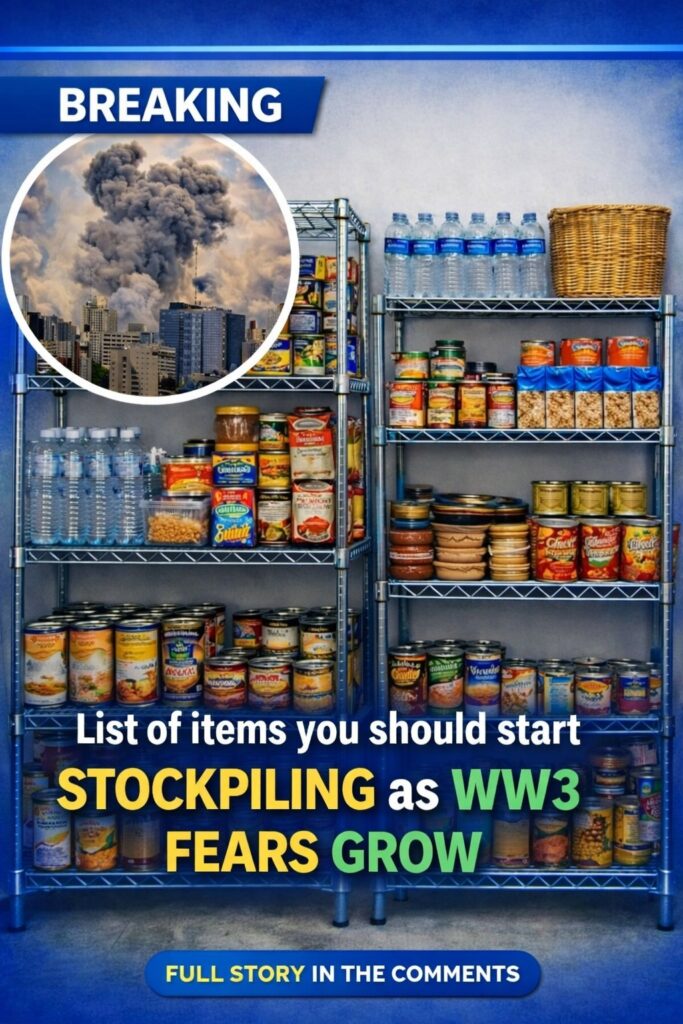
    Because of this interconnectedness, preparedness experts encourage households to keep a small reserve of essential items. Clean drinking water is the most critical supply, followed by non-perishable food that does not require cooking or refrigeration. Flashlights, spare batteries, and a battery-powered radio can help families stay informed and safe if electricity or internet access becomes unavailable. Basic first-aid supplies and copies of important documents are also commonly recommended.

    Preparedness does not mean expecting catastrophe. Instead, it reflects a calm understanding that unexpected disruptions—whether from severe weather, infrastructure failures, or other emergencies—can occur. A few simple preparations can make a significant difference, helping families remain stable, informed, and resilient during uncertain moments.

    Previous ArticleWhy Pets Love Sleeping in Your Favorite Spot
    Next Article Breaking news confirms a tragic incident that has left many shocked and grieving, with details still emerging and communities reacting to an unexpected loss that serves as a sobering reminder of how quickly life can change without warning.

    Related Posts

    Unassuming Visitor Silences Arrogant Gym Members By Commanding Their Working Dog

    June 19, 2026

    I Married My School Sweetheart – On Our First Anniversary, I Overheard a Phone Call That Made Me Gasp

    June 18, 2026

    Peeing in the Shower: What You Should Know About This Shower Habit

    June 18, 2026
    Search
    Categories
    • Conservative (1)
    • English (5)
    • Health (1)
    • Magazine (3)
    • News (7,325)
    Categories
    • Conservative (1)
    • English (5)
    • Health (1)
    • Magazine (3)
    • News (7,325)
    • Contact Us
    • Privacy Policy
    • Terms of Service
    Copyright © 2026, News24. All Rights Reserved.

    Type above and press Enter to search. Press Esc to cancel.