
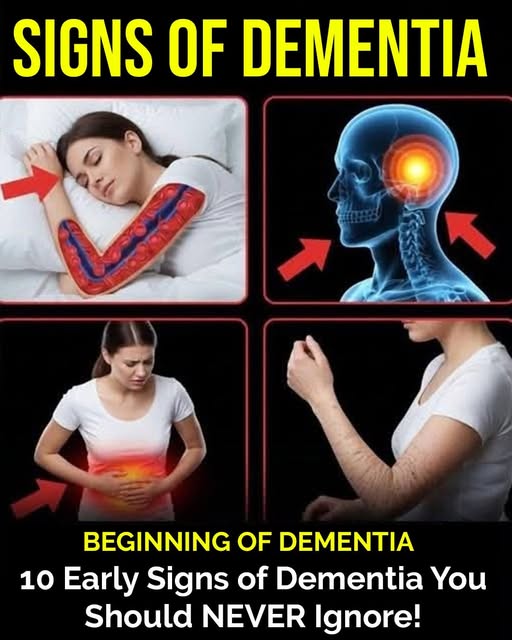
the critical window for intervention. Dementia is not an inevitable consequence of growing older; it is a medical condition that demands our attention, not our avoidance. Recognizing the early signs is the greatest act of dignity you can offer to yourself or a loved one. When short-term memory begins to fracture—when the events of this morning vanish while memories of forty years ago remain crystal clear—it is time to stop rationalizing and start observing.
The Subtle Red Flags
The warning signs often masquerade as eccentricity or stress. Perhaps it is a sudden struggle with routine tasks that were once second nature, like following a favorite recipe or managing a monthly budget. It might manifest as confusion regarding time or place, where a familiar neighborhood suddenly feels disorienting. You may notice a loved one searching for the right word, their vocabulary narrowing as if the bridge to their thoughts is being slowly dismantled. When these cognitive hurdles begin to impede daily life, they are no longer quirks; they are indicators.
Beyond memory, look for shifts in the core of a person’s identity. A once-vibrant individual may suddenly withdraw from social circles, not out of choice, but because the effort of keeping up with conversation has become an exhausting, insurmountable task. You might see uncharacteristic changes in judgment or mood—a gentle soul becoming uncharacteristically irritable, or a cautious person suddenly acting with reckless impulsivity. These are the ripples of a deeper disturbance in the brain’s architecture.
Why Early Detection Matters
There is a pervasive myth that because there is no universal cure, there is no reason to seek a diagnosis. This is a dangerous falsehood. Early detection is the key to empowerment. It allows for medical evaluations that can rule out reversible conditions, such as vitamin deficiencies or thyroid issues, which can mimic dementia symptoms. It provides the necessary time to organize legal and financial affairs, ensuring that the individual’s voice remains the guiding force in their future care. Most importantly, it opens the door to support systems that can alleviate the profound isolation that often accompanies a diagnosis.
Building a Fortress for the Mind
While we cannot always control the biological path of aging, we can influence the health of our brains through intentional living. Think of these habits as building a fortress. Physical activity is the foundation; it increases blood flow to the brain, acting as a vital tonic for cognitive longevity. Intellectual engagement is the structure—reading, learning a new language, or solving complex puzzles keeps the neural pathways firing and resilient.
Equally critical are the lifestyle choices that protect our internal chemistry. Prioritizing deep, restorative sleep allows the brain to clear out metabolic waste, while managing stress prevents the chronic inflammation that can damage delicate neural connections. Limit alcohol, avoid smoking, and be vigilant about protecting yourself from head injuries. By treating your brain health with the same urgency as your heart health, you are not just hoping for a better future—you are actively constructing one. The path forward is paved with awareness, proactive care, and the courage to face the truth before the whispers turn into silence.