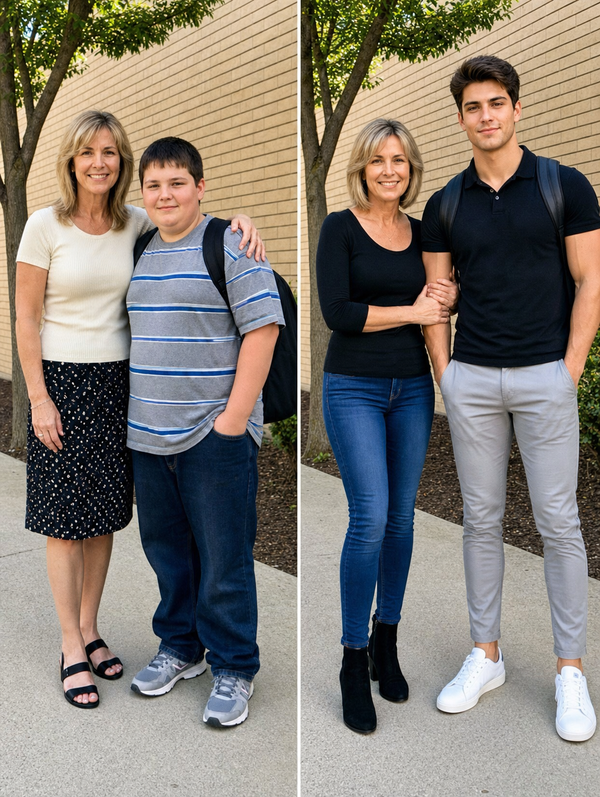
But instead of seeking revenge, he walked in calmly, and when someone finally handed him a microphone, the silence that followed marked the start of something far bigger than anyone in that room expected.

Years of Being Left Out
School was never easy for my son. While classmates traded invitations to birthday parties and weekend sleepovers, he sat alone more often than not. No one saved him a seat at lunch, and he was always the last one picked for any team or project.
As the years went on, the treatment grew crueler. Pranks, mockery, and quiet exclusion became routine. He came home acting fine, but I always knew when something was wrong. No matter how kind or patient he was, his classmates kept finding reasons to push him away.
An Uninvited Return
Graduation finally came, and life moved forward. He rarely spoke of high school again, though I sensed some of that pain never fully faded. A decade later, I learned his entire graduating class had planned a reunion—and every single person had been invited except him.
At first he laughed it off. Then, quietly, he said he was going anyway. When I asked why, he simply told me, “Because it’s time.” He wasn’t going to beg for acceptance or chase closure. He arrived with a plan of his own, dressed in his best suit, uninvited but unafraid.
A Microphone and a Revelation
He walked into that room with quiet confidence, asking for nothing and demanding no apology. At some point, someone handed him the microphone. He told them that their years of rejection had taught him something lasting: his worth was never theirs to decide.
Then he told them what he had built from that lesson. He had started a scholarship program for students facing bullying and isolation, with early support already funding counseling, educational help, and mentoring for dozens of young people.
Applause filled the room. Former classmates offered apologies, admitting they hadn’t understood the damage they’d caused. He left without bitterness or resentment toward any of them.
For me, the real triumph was never their applause or their regret. It was knowing my son had turned his own pain into something that helps other children feel a little less alone than he once did.