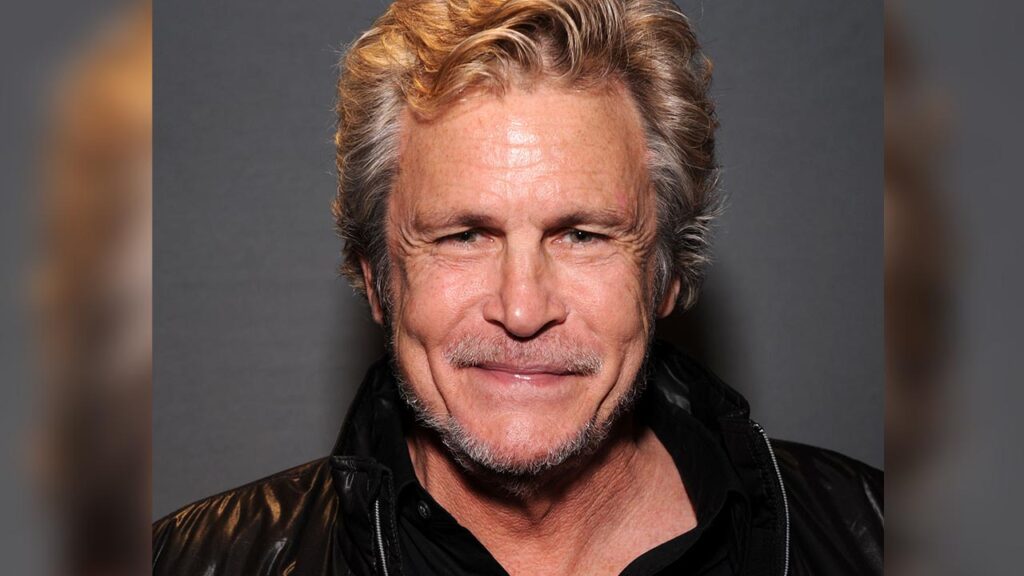
According to Entertainment Weekly, Palencia said Kearns had been “in and out of emergency rooms over five times within a three-month period.”
He did not provide further details about the specific health problems Kearns had been experiencing.
Palencia remembered him as much more than a performer, describing Kearns as “a friend, mentor, neighbor, and my movie buddy.”
A specific cause of death had not been publicly announced.
Kearns, however, had spent decades speaking openly about one major part of his health history.
In 1991, he publicly revealed that he was HIV-positive.
At the time, the announcement was considered groundbreaking.
Fear and misinformation surrounding HIV and AIDS remained widespread, and many people living with the virus faced severe discrimination both professionally and personally.
For an actor working in Hollywood to speak publicly about his diagnosis carried enormous risks.
Kearns chose to do it anyway.
His openness made him one of the entertainment industry’s prominent voices challenging the stigma surrounding HIV and AIDS and advocating for people living with the disease.
Born in St. Louis, Missouri, in 1950, Kearns developed an interest in acting while he was still young.
He later studied drama in Chicago before beginning the professional career that would eventually take him to television, film, theater, directing, and activism.
His first television appearance came in 1974 with The Waltons.
Over the following years, Kearns appeared in a number of well-known television programs, including Cheers, Knots Landing, Murder, She Wrote, and Beverly Hills, 90210.
He also appeared in the 1984 film Body Double.
Later, he was part of HBO’s acclaimed drama And the Band Played On, which examined the early years of the AIDS epidemic and the medical, political, and social response surrounding it.
Kearns was also among the earlier actors in Hollywood to live openly as a gay man during an era when many performers feared that revealing their sexuality could end or seriously damage their careers.
That openness became an important part of his public identity.
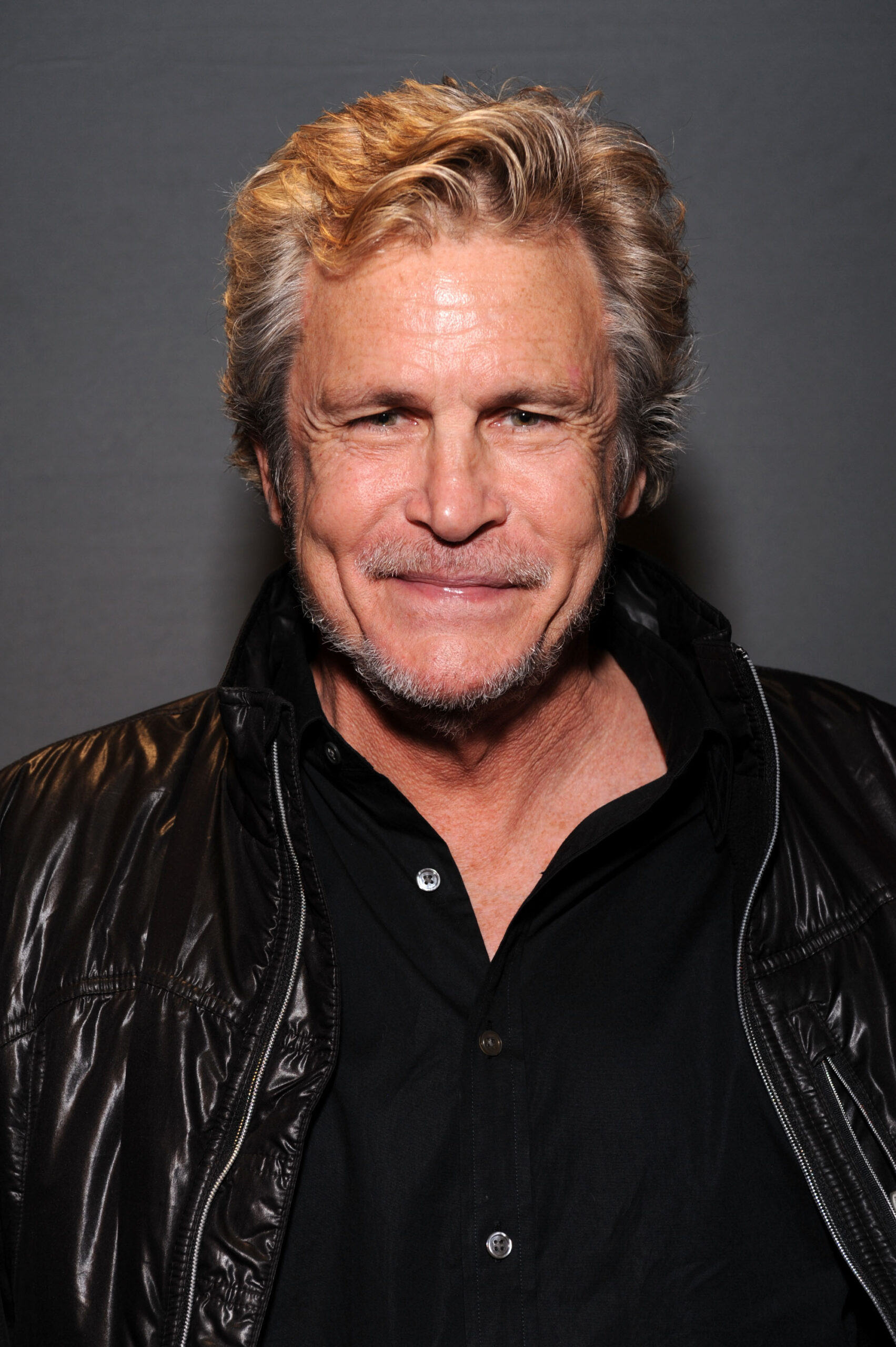
Then, in 1991, he took another major step by revealing on television that he was living with HIV.
At a time when HIV-positive people were frequently treated with fear, shame, or hostility, Kearns chose visibility instead.
His decision helped challenge the idea that people living with HIV should remain hidden.
He also portrayed HIV-positive characters on television, helping bring experiences connected to the epidemic into the homes of viewers who might otherwise have had little understanding of the people affected by it.
For Kearns, acting and activism frequently overlapped.
Away from television and film, he worked extensively as a stage performer and director.
He also co-founded Artists Confronting AIDS, an organization that used theater, art, performance, and personal storytelling to raise awareness during one of the most devastating periods of the epidemic.
The work was especially significant at a time when countless people were becoming ill while public understanding and compassion often lagged behind the reality of the crisis.
Kearns was not simply speaking about HIV and AIDS from a distance.
The issue was deeply personal.
His own life included enormous loss.
In 1992, he married Philip Juwig.
Juwig died that same year.
Three years later, Kearns entered another chapter of his life when he adopted his daughter, Katherine, in 1995.
Becoming a single adoptive father while openly gay and living with HIV made his family story particularly unusual for the time.
But Kearns continued refusing to live according to the limits others might have expected.
His life became an example of how visibility could challenge stereotypes on several fronts at once.
He was an openly gay actor.
He was publicly HIV-positive.
He became a father.
And he continued building a career in entertainment while fighting against the shame attached to identities and circumstances that many people were still pressured to hide.
That advocacy became an important part of his legacy.
For audiences who knew him primarily from television roles, Kearns may have been a familiar face who appeared briefly in some of the era’s most recognizable shows.
For others, particularly within LGBTQ+ theater and HIV/AIDS activism, he represented something larger.
He was someone willing to speak publicly at a time when silence often felt safer.
That willingness helped open conversations many people were afraid to have.
Kearns remained connected to theater throughout his life.
In a poignant coincidence, he had reportedly been scheduled to participate in a special event celebrating LGBTQ+ theater history at Celebration Theatre in Los Angeles only days after his death.
The event would have reflected a history he had personally helped shape.
His career cannot be measured only by screen credits.
Those credits included popular television programs and films, but the work that defined him also happened in theaters, activist organizations, interviews, and public conversations about HIV, AIDS, sexuality, family, and visibility.
When Kearns revealed his HIV status in 1991, he did so during a period when such openness could come with devastating consequences.
That choice helped challenge stigma.
His willingness to portray HIV-positive characters helped humanize experiences that were often reduced to fear and statistics.
And through his activism, he helped give a public voice to people living through one of the most painful chapters in LGBTQ+ history.
Michael Kearns was 76.
He leaves behind not only decades of performances, but also a legacy of speaking openly when silence might have been easier.
For many, that courage will remain one of the most important roles he ever played.