Equipped?
He’s not a dishwasher.
I said no.
Just no.
And from that day forward, I became the person Theo depended on.
For the next six years, I learned everything.
Medication schedules.
Sensory triggers.
Which foods he could tolerate when the world felt too loud.
What kinds of noises sent him into panic.
How to tell when he needed space.
How to tell when he needed someone to stay close.
By fifteen, Theo could cook eggs.
Do laundry.
Ride the bus with me.
Handle simple errands.
He had come so far.
But strangers still frightened him.
And school had taught him there were people who would use that fear against him.
A boy named Dylan had been one of the worst.
Once, Dylan and a few other boys pushed Theo until he had a full meltdown.
Then Dylan filmed it.
Theo was crying.
Covering his ears.
Broken pencils and ripped notebook pages were scattered around him.
Dylan posted the video.
Another kid called Theo “broken.”
The clip spread around school.
And suddenly, people who hadn’t seen what happened before the camera started thought they understood my brother.
They didn’t.
But Theo remembered.
I did too.
Still, I refused to let cruelty decide how small his life would become.
So we practiced.
Everything.
Small steps.
Repeated steps.
Predictable steps.
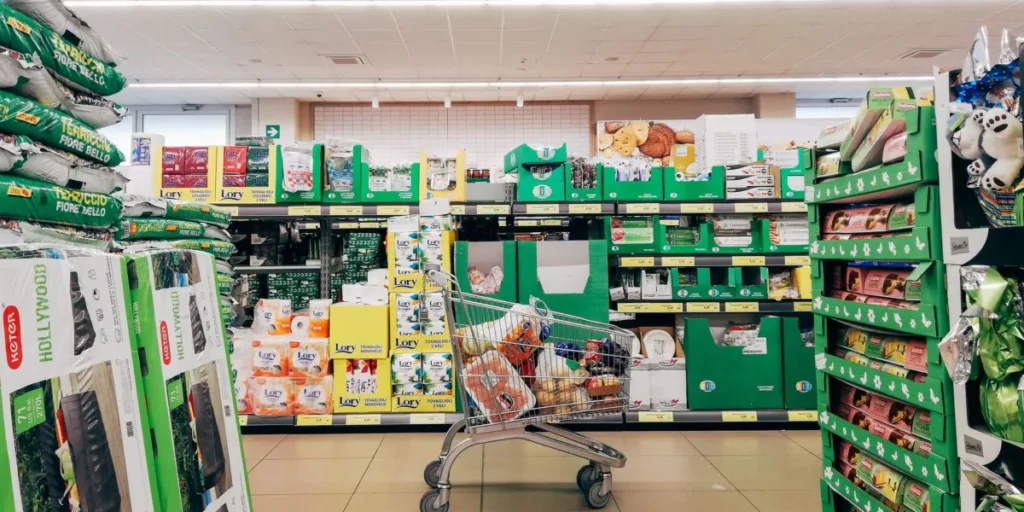
And one of our favorite places to practice was the grocery store on Fourth Street.
We had gone there for years.
The staff knew Theo.
Mrs. Bennett, the cashier at register three, had watched him go from hiding behind me to standing beside me, then paying, then asking for receipts himself.
That Saturday was supposed to be a milestone.
Theo was going into the store alone for the first time.
Not for a whole grocery trip.
One item.
One chocolate bar.
That was the plan.
We stood outside the automatic doors.
I handed him ten dollars.
“Go inside. Find one chocolate bar. Pay. Take the receipt. Come straight back. I’ll be right here.”
Theo repeated it twice.
“Chocolate. Pay. Receipt. Come back.”
“You’ve got it.”
He swallowed hard.
Then stood a little straighter and walked inside.
I watched him disappear behind the first aisle.
Every instinct in me wanted to follow.
We had practiced this exact route for weeks.
But I had promised I would wait outside.
So I did.
Five minutes passed.
Then ten.
I checked my phone even though Theo didn’t have one yet.
By fifteen minutes, I was already imagining walking in.
Then the doors opened.
Mrs. Bennett rushed outside.
She was crying.
“Marcus! You’re Marcus, right?”
My stomach dropped.
“Where’s Theo?”
“Come inside. Now.”
I ran.
And in those few seconds, my mind gave me every possible nightmare.
Someone had mocked him.
Security had misunderstood him.
He’d panicked.
He’d broken something.
He was hurt.
Then I reached the checkout area.
People were standing completely still.
Theo was in the middle of them.
My fifteen-year-old brother was kneeling on the tile.
Hands behind his back.
Crying.
Like someone waiting to be arrested.
A few feet away stood a woman with a little girl partly hidden behind her.
The woman was pointing toward Theo.
“He’s dangerous!”
My chest tightened.
“Keep him away from my daughter!”
I went straight to him.
“Theo.”
He flinched before looking up.
His eyes were red.
I crouched.
“Hey. It’s me.”
His breathing was shaky.
“You can stand up.”
He didn’t move.
“Is she still scared?”
I looked at the woman.
Then back at Theo.
“Come on. Take my hand.”
Slowly, he let me pull him up.
His entire body was trembling.
I kept an arm around his shoulders.
“What happened?”
Mrs. Bennett wiped her face.
“Her card got declined.”
I looked at the woman.
Mrs. Bennett continued.
“She started putting groceries back. Her little girl was crying because she wanted her cereal.”
Then she looked at Theo.
“And Theo heard them.”
Theo spoke quietly.
“I had ten dollars.”
My throat tightened.
“I could share.”
Mrs. Bennett nodded.
“He walked over and offered her the money. That’s all.”
I stared at the woman.
Then something about her face became familiar.
I had seen her before.
At school.
“You’re Dylan’s mother.”
She lifted her chin.
“And you know exactly what your brother is capable of.”
I felt heat rush through me.
“What?”
“I saw the video.”
Of course.
“The school video?”
“He was violent. He was breaking things.”
“Your son provoked him until he had a meltdown.”
“That’s not what Dylan told me.”
“Of course it isn’t.”
Her voice rose.
“My son was afraid of him.”
“And Theo was being bullied.”
“He was the one destroying things.”
“He was overwhelmed.”
She pointed toward him.
“And now he comes toward my daughter?”
Theo pressed closer to me.
I felt his fingers moving rapidly against his leg.
A self-soothing motion.
“I didn’t mean to be bad,” he whispered.
I turned to him.
“You weren’t bad.”
“She was yelling.”
“I know.”
“Everyone was yelling.”
His voice cracked.
“I thought if I put my hands behind my back, she’d know I wasn’t going to hurt her.”
That nearly broke me.
My little brother had knelt on a grocery-store floor to prove to strangers that he was safe.
I wanted to scream.
I had a hundred things I wanted to say to Dylan’s mother.
But Theo’s breathing was getting faster.
Every raised voice was making him smaller.
Winning the argument suddenly didn’t matter.
When the manager arrived, the woman repeated her complaint.
I said only one thing.
“I’ll come back tomorrow.”
Then I took Theo home.
He never bought the chocolate.
Worse, his first attempt at shopping alone ended with him on his knees, crying.
That night, he sat on the edge of his bed with a blanket over his lap.
His hands were still moving.
“I was helping.”
“I know.”
“Why did she get mad if I was helping?”
“You did nothing wrong.”
“But I didn’t finish.”
I frowned.
“Finish what?”
“Chocolate. Pay. Receipt. Come back.”
His hands moved faster.
“I only did the first part.”
I sat beside him.
“That wasn’t your fault.”
He nodded.
But he didn’t believe me yet.
Later, standing alone in the hallway, I blamed myself.
I knew the woman was responsible.
I knew Theo had done nothing wrong.
Still, I kept seeing him kneeling there.
The next morning, I went back to the store alone.
The manager was waiting for me.
He looked tired.
But kind.
“I pulled the security footage.”
My pulse jumped.
“And?”
“Your brother did exactly what Mrs. Bennett said.”
I waited.
“He approached the woman, offered her the money, and never threatened or touched anyone.”
I exhaled.
“The footage does not support her complaint.”
He looked genuinely sorry.
“You and Theo are both welcome here.”
I should have felt relieved.
Instead, I felt angry all over again.
Theo had been cleared.
But that didn’t erase what had happened inside him.
I thanked the manager and turned to leave.
Mrs. Bennett stepped out from behind register three.
“How is he?”
“Quiet.”
She looked heartbroken.
“After all his hard work.”
I nodded.
“Bring him back Thursday if he wants.”
I looked at her.
“It’s usually quiet then. I’ll be here.”
I wanted to say yes.
But with Theo, trying again wasn’t simple.
You couldn’t always push through fear and call it courage.
Sometimes pushing too hard only taught him that being brave meant being miserable.
“I’ll think about it.”
Walking home, my mother’s old words came back to me.
Better somewhere equipped.
For the first time in six years, I wondered if maybe I had been reckless.
Maybe encouraging independence exposed Theo to people I couldn’t protect him from.
The world could be cruel.
I couldn’t make strangers understand autism.
I couldn’t guarantee they would be patient.
When I got home, Theo was arranging pencils on the table.
“The manager watched the security footage.”
Theo looked up.
“He said?”
“He said you didn’t do anything wrong.”
Theo was quiet.
“He said we’re welcome back.”
Still quiet.
“But you don’t have to go back.”
That got his attention.
“I can do the shopping for a while.”
He looked down at the pencils.
For two days, neither of us mentioned the store.
Then Tuesday evening, Theo stood in the kitchen doorway.
“Marcus?”
“Yeah?”
“Did I do it wrong?”
My heart sank.
“At the store.”
“No.”
He thought about that.
“Then why can’t I go again?”
I stared at him.
And suddenly I realized what I had done.
A stranger had treated Theo like he was dangerous.
And I had responded by shrinking his world.
I had started treating her cruelty like evidence of his limits.
“You’re right.”
Theo looked at me.
“What do you want to do?”
“Go back.”
“You sure?”
“I like the store.”
He hesitated.
“But I’m scared she’ll be there.”
“Mrs. Bennett will be there Thursday.”
He waited.
“What if we go together?”
“Together.”
“Just like before.”
He nodded.
Thursday afternoon, we returned.
The moment we stepped inside, Theo stopped.
“Is she here?”
I scanned the store.
“I don’t see her.”
He stayed close to me.
Normally, he would walk a little ahead and get his cereal.
Not that day.
At checkout, Mrs. Bennett smiled like it was any ordinary Thursday.
“Good to see you, Theo.”
His fingers started clenching.
I placed the groceries on the belt.
Normally, Theo helped.
He didn’t.
I paid.
Mrs. Bennett held the receipt out to him.
Theo stepped behind me.
So I took it.
Outside, he started flapping his hands and swaying.
“I did it wrong.”
“No.”
“I didn’t pay.”
“That’s okay.”
“I used to pay.”
“I know.”
“And take the receipt.”
“We can try again next time.”
His face tightened.
“I’m sorry.”
I crouched slightly so we were eye to eye.
“You have nothing to apologize for.”
He looked at me.
“That lady made the store scary.”
He nodded.
“So we go slower.”
I smiled.
“Remember when we first started coming here? All you did was take the receipt.”
Another nod.
“We start there again.”
I smiled while saying it.
Inside, my heart was breaking.
I didn’t know if he would ever walk into that store alone again.
A couple of weeks passed.
Theo began taking receipts again.
Then paying.
Little pieces of confidence returned.
One afternoon, someone from an old school parents’ group sent me a link.
“Marcus, have you seen this?”
The thumbnail showed Dylan’s mother sitting inside a parked car.
The caption said:
“If you know the young man from the grocery store, help this message reach him.”
My stomach tightened.
I shut my bedroom door and pressed play.
She looked directly into the camera.
“I owe a young man an apology.”
I stopped breathing.
She continued.
“I recognized him at the grocery store because of a video my son shared at school.”
She paused.
“I decided he was dangerous before I knew him.”
Her eyes dropped.
“When he approached me, I screamed before I even listened to what he was trying to say.”
I stared at the screen.
She explained that the store manager had shown her what really happened.
Theo offered her money because her card had been declined and her daughter was crying about cereal.
He never threatened anyone.
Then she said something I had wanted someone to acknowledge for years.
“I finally asked my son what happened before he recorded that school video.”
My chest tightened.
“Dylan admitted that he and other boys were mocking him.”
She wiped her eyes.
“The video showed his distress. It didn’t show what caused it.”
I sat completely still.
“I should have asked years ago.”
Then she said she had withdrawn the complaint.
She had told Dylan to delete the video from every account he controlled.
And finally:
“I was wrong to call that young man dangerous.”
She leaned closer to the camera.
“I was wrong.”
Then:
“I can’t undo what I did, but if someone who knows him sees this, please pass along my apology.”
She paused.
“He doesn’t owe me a response.”
The video ended.
For years, I had been telling teachers and parents that Dylan’s video did not tell the whole story.
Now his own mother had finally admitted it.
Part of me wanted to show Theo immediately.
Another part remembered how he had hidden behind me the first day we returned to the store.
I didn’t want to reopen the wound just because an adult had finally decided to take responsibility.
The next day, I asked.
“There’s a video from Dylan’s mom. She apologized. Do you want to watch it?”
Theo thought for a moment.
“Yes.”
We sat together.
The moment her face appeared, his fingers began flexing.
But as she spoke, they slowed.
Eventually, they stopped.
When the video finished, Theo stayed quiet.
Then he said:
“She knows I wasn’t trying to hurt anyone now.”
“Yes.”
“She knows?”
“She knows.”
Theo nodded.
“That’s what I was trying to tell her.”
I couldn’t answer for a moment.
I had wanted him to hear that acknowledgment so badly.
Now that it had come, I realized it couldn’t erase everything.
An apology could correct the record.
It couldn’t give Theo back the moment he had knelt on that floor.
A few days later, he asked me whether Mrs. Bennett still worked Saturdays.
“Register three?”
“Yes.”
He nodded.
I didn’t push.
Weeks passed.
Then one Saturday, Theo appeared at the front door wearing his shoes.
“Can we go to the store?”
“Sure.”
I reached for my keys.
When we arrived, he stopped outside.
I assumed he wanted me beside him.
Instead, he said:
“I want to go by myself.”
My chest tightened immediately.
“Theo…”
“I still need to do it right.”
He looked at the doors.
“Chocolate. Pay. Receipt. Come back.”
Suddenly, I saw him kneeling on the tile again.
“We could go together.”
“We already did that.”
His voice was calm.
“I take receipts now.”
I said nothing.
“I pay sometimes.”
He looked at me.
“I want to do it right.”
I swallowed.
“Do you feel ready?”
“Yes.”
Every protective instinct in me screamed to go inside with him.
But independence only means something if the person gets to choose it.
So I moved aside.
“Okay.”
Theo repeated the steps one final time.
“Chocolate. Pay. Receipt. Come back.”
“I’ll wait right here.”
He walked inside.
This time, I watched through the glass.
I saw him find the same chocolate bar.
I saw him walk toward register three.
Mrs. Bennett smiled.
Theo counted his money.
She gave him the receipt.
He took it.
Then the doors opened.
Theo walked toward me holding the chocolate bar in one hand and the receipt in the other.
“How’d it go?”
He looked at me.
A tiny smile appeared.
“I got it right.”
And standing there outside that grocery store, I realized something.
Theo had never needed to prove that he belonged in the world.
The world needed to learn not to mistake difference for danger.
For six years, I had thought my job was to prepare Theo for every possible situation.
But I could never prepare him for every cruel assumption.
Every misunderstanding.
Every person who judged him before listening.
What I could do was make sure those people did not get the final word.
That day, Theo walked into the store alone.
He bought his chocolate.
He paid.
He took his receipt.
And he came back.
The task itself was tiny.
But after everything that had happened, it felt enormous.
Not because Theo had finally become “normal.”
He had never needed to.
It mattered because fear had tried to take something away from him.
And slowly, on his own terms, he took it back.