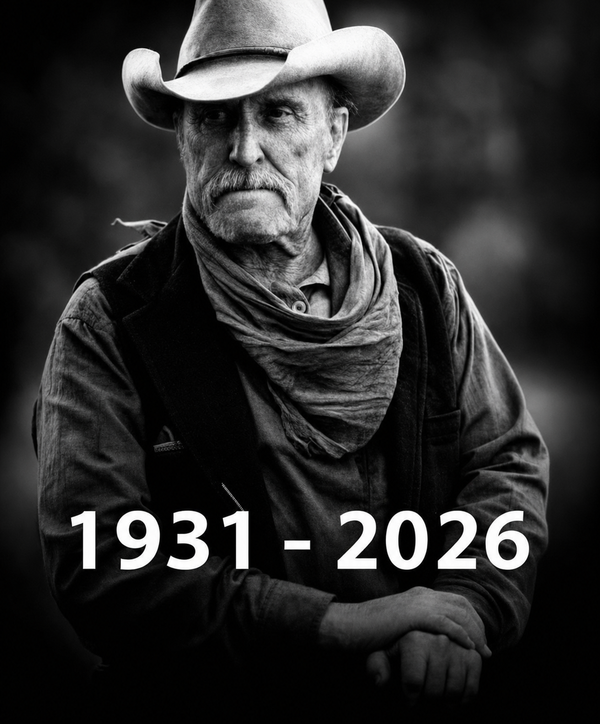
That truth is simple: Duvall never needed volume to command a moment. His characters earned their power through stillness and through what remained unspoken.

Defining Roles
As Tom Hagen in The Godfather, Duvall made restraint itself compelling. His loyalty and calculation never demanded attention; they simply existed, steady and unshowy, beneath the family’s louder dramas.
In Apocalypse Now, his Lieutenant Colonel Kilgore turned battlefield bravado into something unsettlingly casual, a kind of confidence that felt more disturbing for how relaxed it seemed. Then came Mac Sledge in Tender Mercies, a wounded country singer taking tentative steps toward redemption, a performance that earned Duvall an Academy Award.
These were profoundly different men. Yet each seemed to carry a private history that existed long before the story’s opening scene, as if their lives continued somewhere just outside the frame.
The Craft of Restraint
Across decades, Duvall’s work offered a lesson in the power of attention. He trusted audiences to notice hesitation, discomfort, and tenderness without needing every feeling spelled out for them.
As he aged, the lines etched into his face became part of that expressive language. Rather than diminishing his characters’ force, they gave his performances added texture, a visible record of lives lived.
An Enduring Legacy
Duvall’s achievement was never simply a tally of celebrated roles. It was the intimacy he brought to performance, the ability to make strangers on screen feel recognizable, complicated, and unmistakably human.