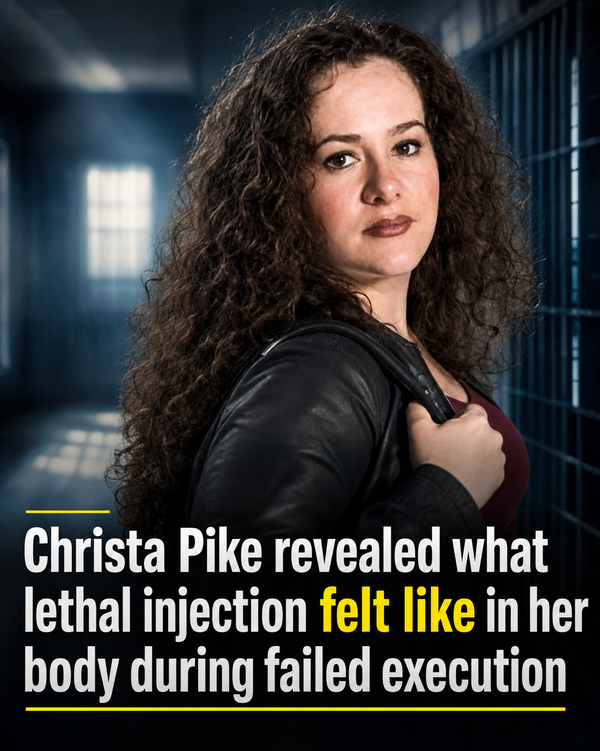
What followed, according to the available account, was a scramble inside the execution chamber as officials and witnesses watched something go wrong, leaving Pike’s condition unclear and raising questions that remain unanswered.
The Execution Attempt
Pike’s execution had been scheduled for September 30, and it proceeded only after the U.S. Supreme Court lifted a temporary stay that had delayed the process. She had been sentenced to death in 1996 for the murder of Slemmer, a 19-year-old whose death remains central to the case.
After the first injection was administered, Pike reportedly said, “My arm feels like it’s about to burst open.” Witnesses described what followed as a tear, along with heavier breathing and repeated movements during the procedure.
Pike was ultimately transported from the prison to a hospital at 9:28 p.m., according to the account.
Officials and Legal Response
Tennessee corrections officials said they had followed the state’s established execution protocol. That protocol, officials indicated, permitted no additional procedures beyond those already carried out during the attempt.
An attorney representing Pike reportedly said she was receiving lifesaving treatment following her transport to the hospital. No further statements from officials or legal representatives are included in the available material.
Unanswered Questions
The supplied account does not establish Pike’s condition after she was taken for treatment, nor does it explain why the injections allegedly failed to proceed as intended. Those details remain unverified based on the material available.
What is confirmed is the chronology: a stayed execution, a Supreme Court decision allowing it to proceed, a procedure that did not go as planned, and a transport to a hospital shortly before 9:30 p.m. Beyond that, Pike’s current status is not known.
Colleen Slemmer’s death, and the loss it represents, remains the human toll underlying the case—a fact that persists regardless of how the execution itself unfolded.