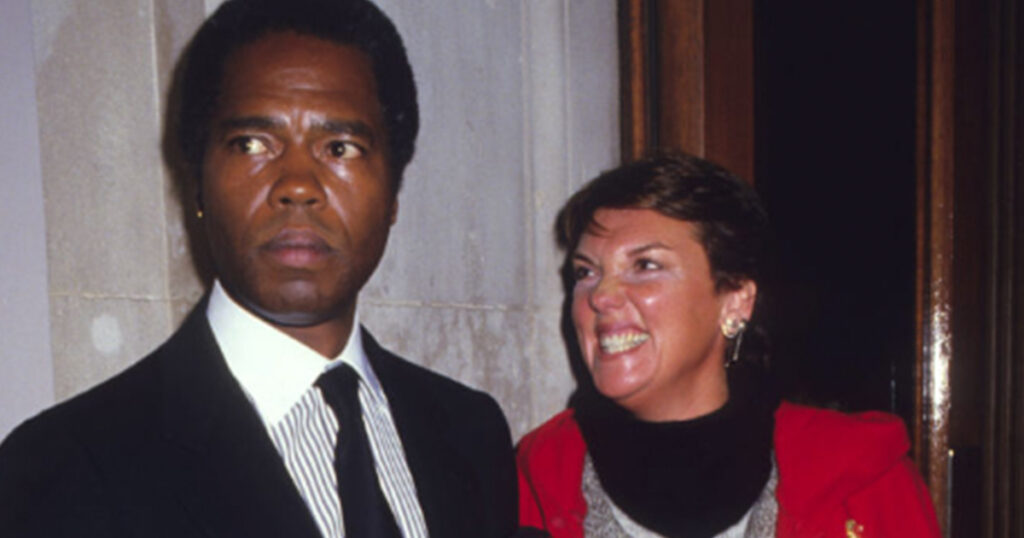
But decades later, one of the most interesting parts of their story is not just the barriers they broke.
It is the three daughters they raised along the way.
Tyne and Georg first met in New York while studying at the American Musical and Dramatic Academy.
According to Tyne, she noticed Georg across a crowded room and immediately had an unusual thought.
“Oh my goodness, there’s the father of my children.”
The attraction quickly became serious.
After dating for only about five months, they decided to marry.
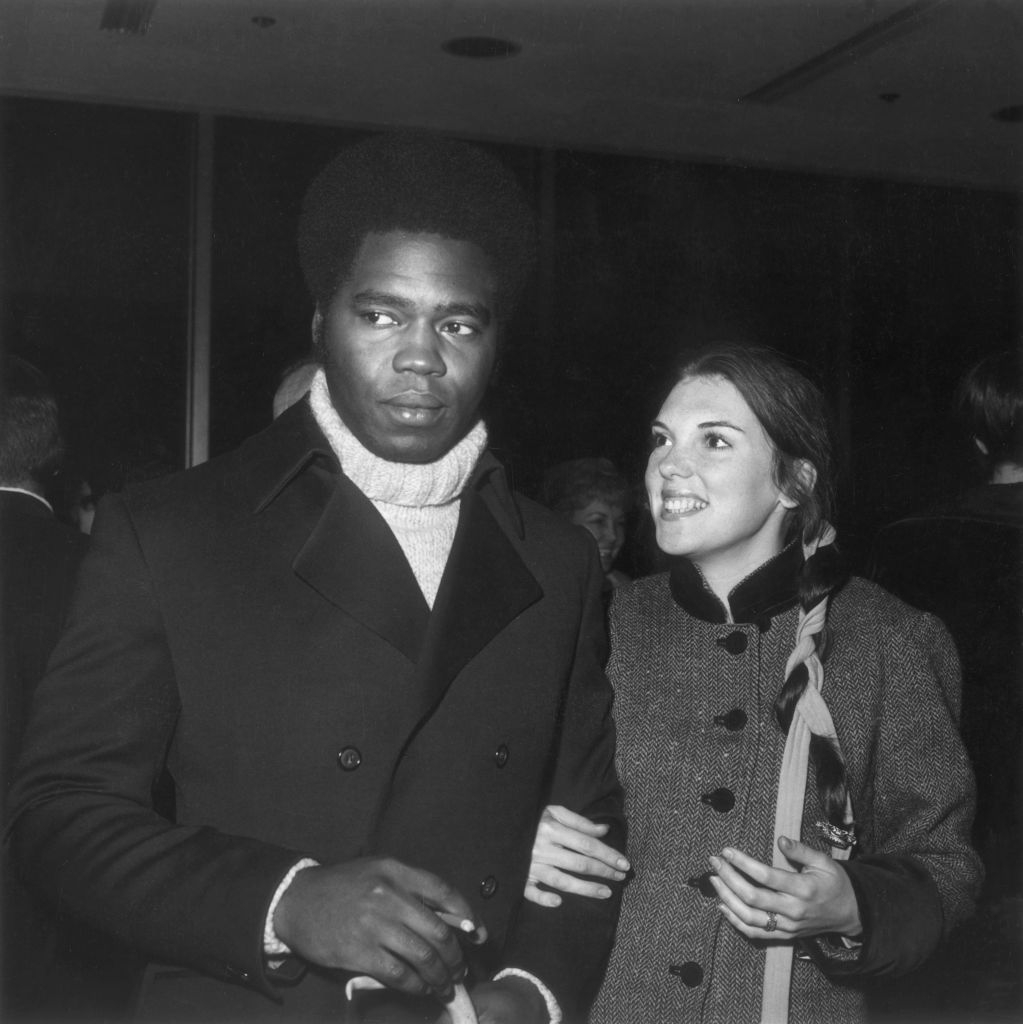
Tyne later described their relationship as love at first sight and said she had always been drawn to talent.
Georg, she said, was one of the most talented people she knew.
Their marriage came during a period when relationships like theirs were still openly challenged.
Tyne later explained that she never liked thinking of her marriage as “interracial.”
Instead, she said she had married “another member of the human race,” adding that she had stopped thinking in terms of categories long ago.
As both of their careers grew, the couple also faced public scrutiny.
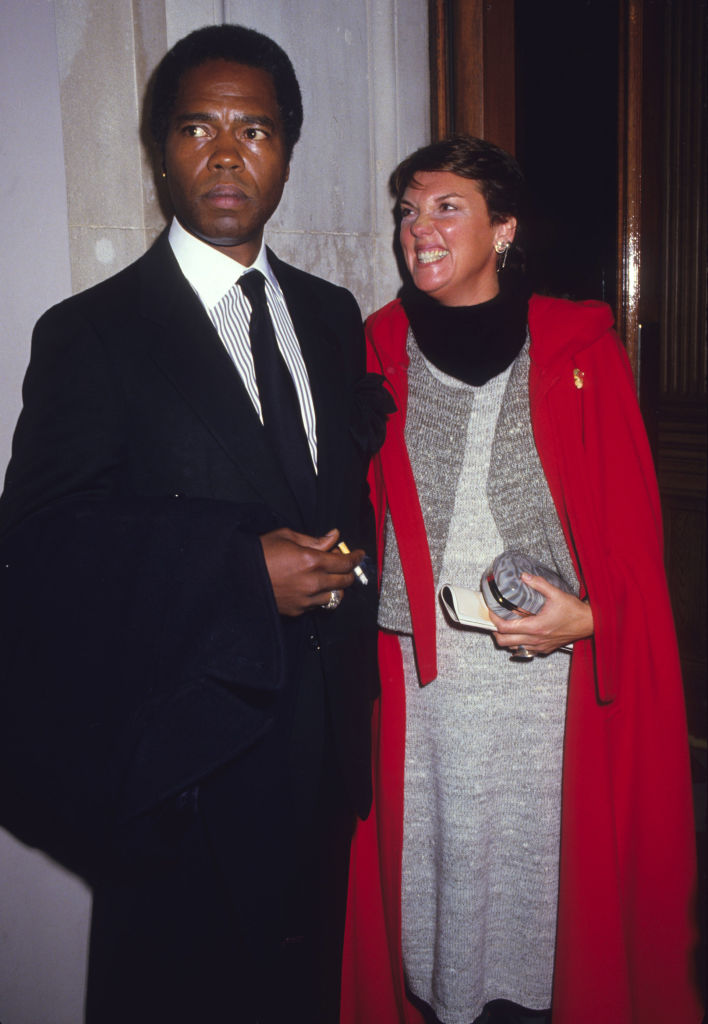
One particularly notable moment came when they appeared together on an episode of The Rookies.
Their on-screen kiss reportedly drew concern from network censors, who wanted the scene removed.
The couple stood their ground.
The scene remained.
Behind all of that public attention, however, they were also raising a family.
Their first daughter, Alisabeth Brown, was born on December 12, 1967.
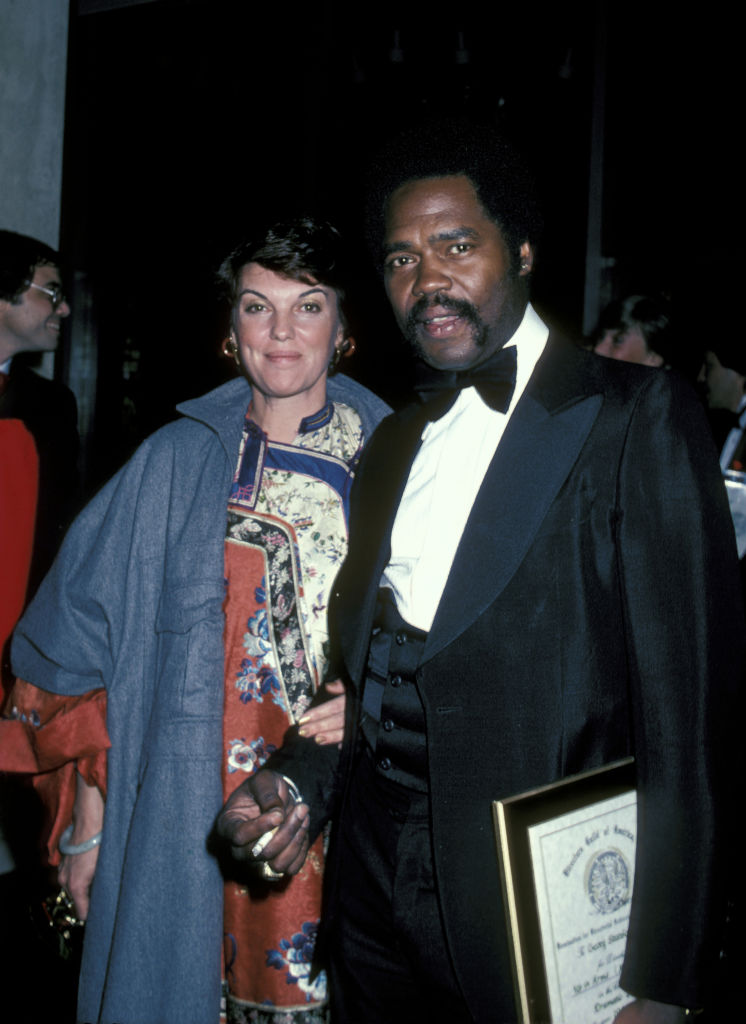
Their second daughter, Kathryne Brown, followed on February 10, 1971.
For a while, it appeared their family might stop there.
Tyne later admitted that she had always imagined having a much larger family.
She once said she wanted six children but became deeply absorbed in her career.
Then, while working on Cagney & Lacey and approaching forty, she decided she wanted another baby.
She recalled thinking that if she was going to have another child, it was time to do it.
Georg eventually agreed.
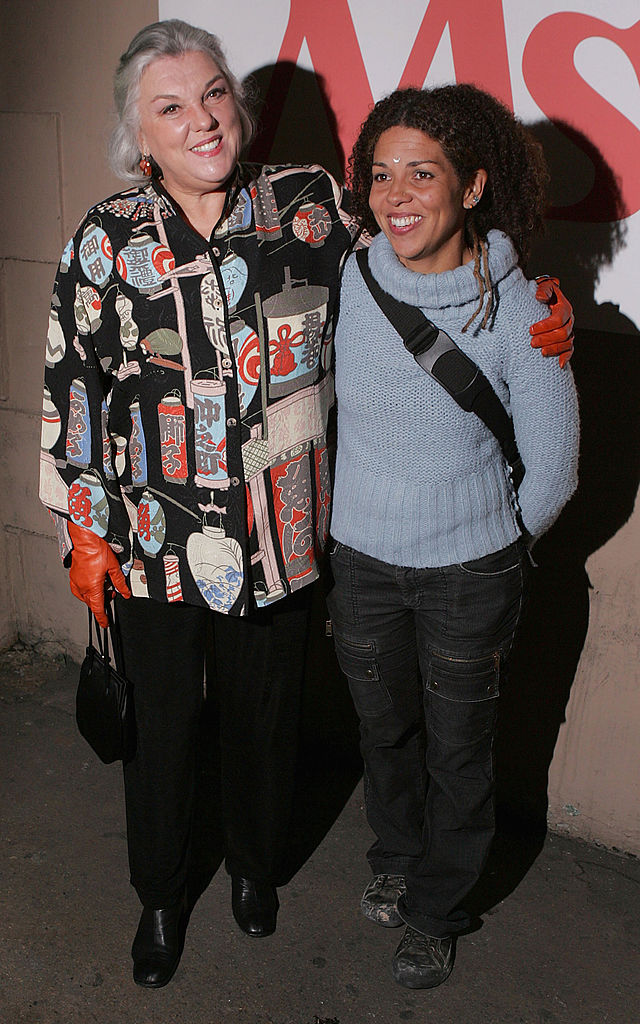
Their youngest daughter, Alyxandra Beatris Brown, was born on October 1, 1985.
Tyne returned to work soon after and even brought her baby to the set of Cagney & Lacey.
She later spoke openly about how difficult it became to balance motherhood with the demands of her career.
At one point, she described the emotional contradiction of acting opposite fictional babies on screen while missing her own daughter at home.
The pressures eventually affected more than her work.
By the end of the 1980s, Tyne and Georg’s marriage was under strain.
Tyne later described her commitment to the Broadway production of Gypsy as one of the factors that contributed to the breakup.
The show kept her in New York and required constant travel between the East and West Coasts.
Their marriage ended about five years after their youngest daughter was born.
Even then, the family story continued.
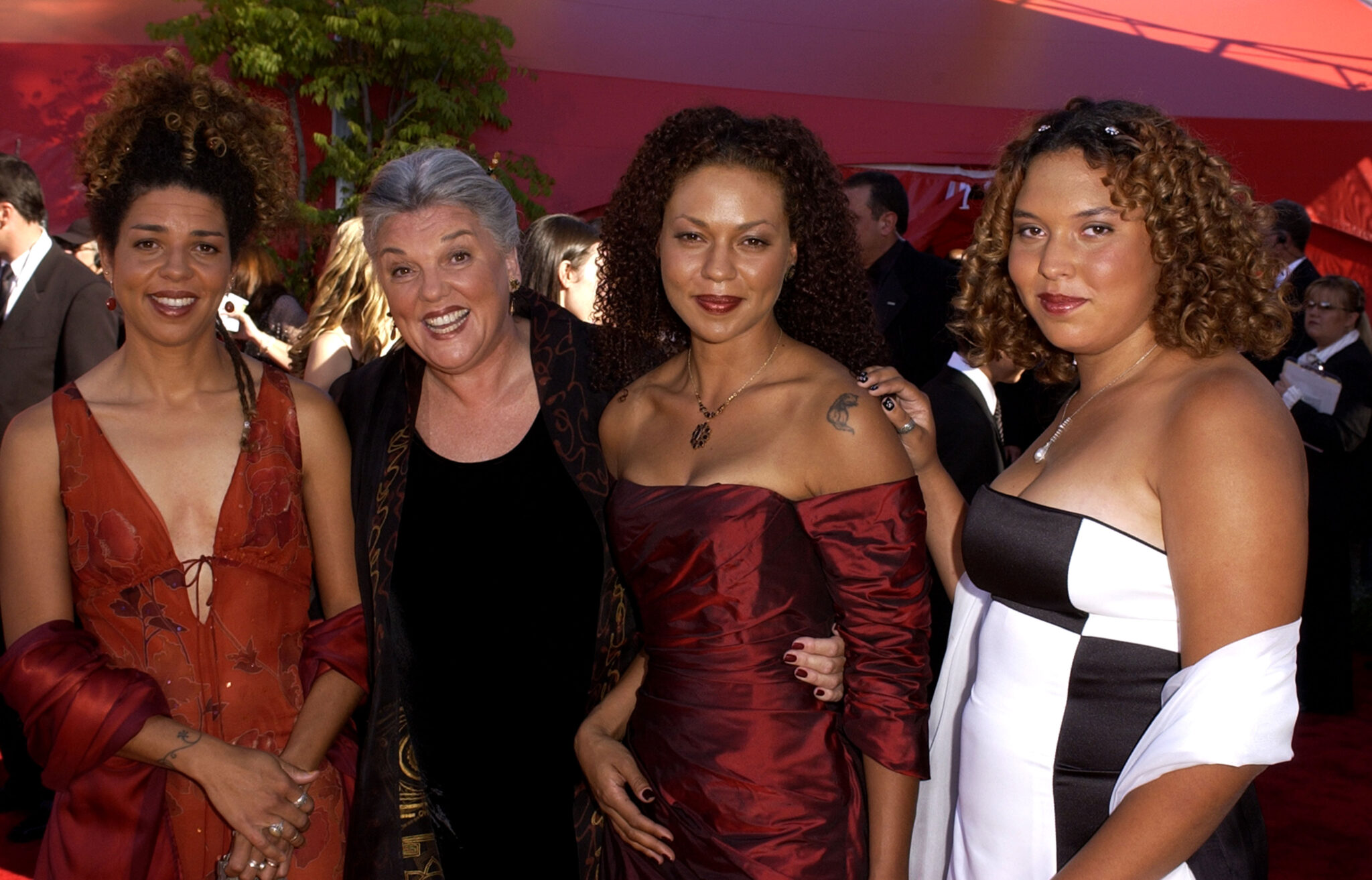
All three daughters grew up around highly successful parents but ultimately followed very different paths.
The eldest, Alisabeth Brown, chose a life that was largely removed from celebrity.
Her creative interests began early.
Dance played a major role in her childhood, and according to her biography, she began studying modern dance at five and continued training for more than sixteen years.
For a time, she considered pursuing dance professionally.
However, she later stepped away from that world, explaining that she did not feel comfortable within what she described as narrowly defined standards in predominantly white institutions.
Her creativity eventually moved in another direction.
Alisabeth became a visual artist, working with ceramics, sculpture, and glass.
Before fully establishing herself in that field, she also had some experience behind the scenes in entertainment.
She worked as a production assistant on Sister Act and served in production roles on projects including Vietnam War Story and Club Life.
Years later, she returned to filmmaking in a creative capacity as a producer on the independent film Mink River.
Her visual art remained strongly influenced by the discipline she learned through dance.
Experimentation, movement, technique, and freedom became important parts of the way she approached her work.
After living in both Los Angeles and New York, Alisabeth eventually made Santa Fe, New Mexico, her home.
The second daughter, Kathryne Brown, chose the path most directly connected to her parents.
She became an actress.
Growing up around film sets and performers had a major influence on her from childhood.
Kathryne once recalled that she practically grew up on studio back lots, watching her parents work.
She said she had wanted to act from the time she was about five years old.
Still, following in the footsteps of two famous parents came with its own pressure.
Kathryne admitted that she initially found it difficult to openly say she wanted to become an actress because she worried people would judge her for choosing the same profession as her family.
When she eventually decided to move to New York and seriously study acting, the decision was not immediately welcomed.
She later recalled being warned that the industry could be especially difficult for a Black woman and that staying in college might offer a safer future.
She pursued acting anyway.
Her career included appearing alongside her mother in a Cagney & Lacey television movie and later appearing in episodes of Judging Amy.
She also had the unusual experience of being directed by her father.
Over the years, Kathryne has described herself in strikingly candid terms.
She has spoken of being a single mother, an actor, a baker, a preschool teacher, a cancer survivor, and what she called a lifelong contrarian.
Her life has been less about following one predictable path and more about repeatedly reinventing herself.
Then there is Alyxandra Beatris Brown, the youngest of the three.
Known as Xan, she chose a direction far removed from Hollywood.
Instead of acting, she became a baker.
Her interest in food developed in Los Angeles, where she gained experience working with the owners of The Village Bakery and Café.
She later moved to Canada.
There, her life took another major turn when she met the man who would eventually become her husband, Mark.
According to Alyxandra, the two discovered during an unusually long first date that they shared many of the same interests.
He was working toward becoming a certified cook.
She was a baker and student.
Both loved travel, movies, and food.
They also shared a dream of eventually building something of their own.
That dream became Five Petal Creations, the bakery they now run together.
Their approach to baking is deeply tied to family history.
Recipes are described as “heirlooms of love,” connecting food with memory, heritage, and tradition.
Alyxandra and Mark also became parents themselves, raising three children: Roscoe, Evelyn, and Theia.
In the end, all three daughters created lives that reflected different parts of the family they came from.
Alisabeth turned toward visual art.
Kathryne stepped into acting.
Alyxandra built a creative career through food.
And despite the fame surrounding their parents, each found a way to build an identity that was distinctly her own.
Tyne once shared a photograph of all three daughters together and wrote a simple message expressing her amazement that all of her daughters had become mothers themselves.
That moment captured how much time had passed.
Georg Stanford Brown and Tyne Daly were once known as a Hollywood couple willing to stand against outdated ideas about race and marriage.
Their relationship eventually ended, but the family they created continued.
Their daughters grew up.
They became artists, performers, business owners, and mothers.
And while their parents became part of Hollywood history, the three women they raised quietly created stories of their own.