…seemed, since the number painted on its side shifted across episodes, a small inconsistency that hinted at deeper complexities running beneath the show’s tidy, small-town surface. Behind the homespun charm ran a story of shifting identities, quiet heartbreak, and a television landscape in transition.

Shifting Faces and Names Behind the Bradley Sisters
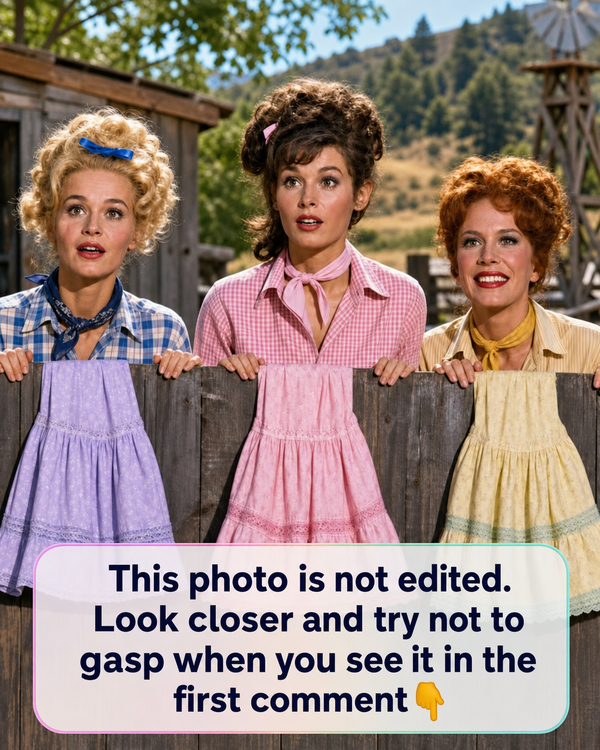
The three Bradley sisters at the heart of the show weren’t always played by the same actresses. Faces changed over the series’ run, and the names attached to those characters in the credits shifted along with them, leaving a tangled record of who was actually appearing onscreen at any given time.
The Cannonball’s Changing Numbers and Sharon Tate’s Near-Casting
The Hooterville Cannonball, the beloved train central to the show’s identity, appeared in different forms over the years. Its number was quietly altered, as though the production itself bent small details of continuity to suit changing needs.
Just as intriguing is a casting decision that almost was. Sharon Tate came close to being cast as Billie Jo before the series existed in the form audiences came to know, offering a glimpse of an alternate version of the show that never quite came to be.
Life Imitating Art: Linda Kaye Henning’s Real Wedding
Linda Kaye Henning, daughter of the show’s creator, played Betty Jo Bradley. Her time on set led to more than a role; she met her real-life husband while working on the series.
In a detail that blurred the line between fiction and reality, Henning wore the same wedding dress for Betty Jo’s onscreen vows that she later wore at her own real wedding, tying the show’s storyline to her actual life.
Bea Benaderet’s Hidden Illness and the Show’s End
Bea Benaderet, a central figure on the show, was privately dealing with declining health as production continued. The series was carefully written around her condition.
Her final appearances were reduced to voice-only performances, with a body double standing in for her onscreen presence so filming could continue despite her illness.
Petticoat Junction eventually ended not because of any single event, but because of the so-called “rural purge”, a broader shift in television programming that removed rural-themed shows from the air. What remained afterward was more than a canceled series. It stood as a lasting snapshot of an era when small inconsistencies, private struggles, and real-life milestones all shared the same modest, small-town set.