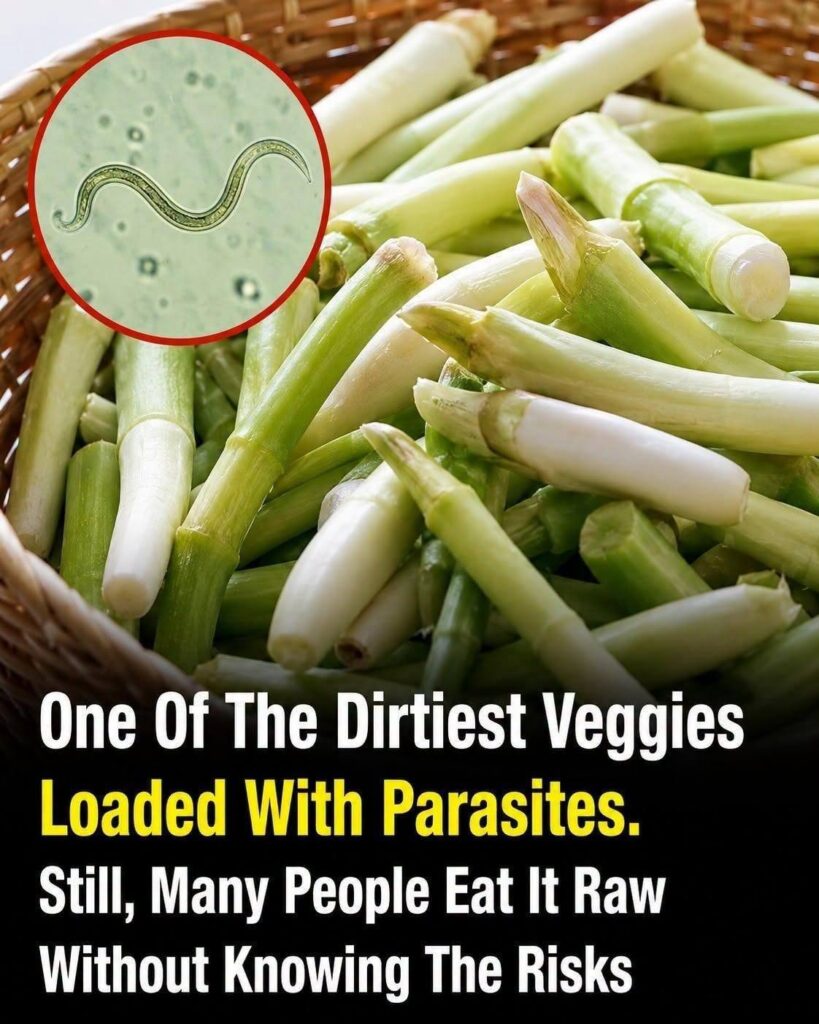
Like many types of fresh produce, green onions can occasionally become contaminated with harmful microorganisms, including bacteria such as Salmonella and certain strains of E. coli.
That doesn’t mean green onions are inherently dangerous or that you should stop eating them.
It simply means that something as ordinary as a scallion deserves the same basic food-safety attention as other fresh produce.
Green onions, also known as scallions, are popular for good reason.
Their mild onion flavor works in everything from salads and soups to eggs, sauces, tacos and stir-fries. They also provide useful nutrients, including vitamin K, vitamin C, folate and fiber.
The potential problem begins long before they arrive in your kitchen.
Green onions grow close to and partly within soil. During growing, harvesting, processing, transportation or preparation, fresh produce can potentially encounter contaminated water, soil, animal waste, equipment, surfaces or hands.
And there’s another important detail.
Green onions are frequently eaten raw.
Cooking food thoroughly can kill many disease-causing microorganisms. But when scallions are chopped directly onto a finished dish, there may be no heat treatment before they’re eaten.
That’s why proper handling matters.
One of the first things to do is inspect the onions before using them.
Remove damaged, wilted or visibly dirty outer portions and trim away the roots.
Then rinse the green onions thoroughly under clean running water.
Gently rub their surfaces with your fingers while rinsing, paying particular attention to areas around the white base where soil and debris can collect.
There is generally no need to wash produce with soap, detergent or household cleaning products. These products aren’t intended to be consumed and can leave residues behind.
Clean running water and careful handling are the safer approach for ordinary home preparation.
It’s also worth remembering that washing fresh produce can reduce dirt and some surface contamination, but it cannot guarantee that every microorganism has been removed.
That makes preventing additional contamination in your kitchen just as important.
Imagine cutting raw chicken on a chopping board and then placing freshly washed scallions on that same surface.
The onions may have been perfectly fine when you brought them home.
But bacteria from the raw meat could now be transferred directly onto food you’re planning to eat without cooking.
The same problem can happen with knives, countertops, plates and hands.
Wash your hands before preparing food and after handling raw meat, poultry, seafood or eggs.
Keep raw animal products separate from produce whenever possible, and thoroughly wash cutting boards, knives and other preparation surfaces between tasks.
Storage matters too.
Keep green onions refrigerated and pay attention to changes in their appearance and texture.
If they become excessively slimy, badly discolored, moldy or develop an unpleasant odor, throwing them away is the safer choice.
However, appearance alone cannot tell you whether food contains harmful bacteria.
Contaminated produce may look, smell and taste completely normal.
That’s one reason official food recalls are important.
If authorities announce that a particular product or batch of green onions has been recalled because of possible contamination, washing the recalled product isn’t a substitute for following the recall instructions.
Foodborne illness can affect anyone, although some people have a greater chance of developing serious complications.
Young children, older adults, pregnant people and individuals with weakened immune systems should generally be particularly careful about food safety.
Symptoms of foodborne illness vary depending on the microorganism involved but can include diarrhea, abdominal cramps, nausea, vomiting and fever.
Most importantly, the lesson isn’t that green onions should suddenly disappear from your kitchen.
Fresh produce is an important part of a balanced diet, and green onions can be enjoyed safely.
The lesson is much simpler.
Fresh doesn’t automatically mean sterile.
The vegetables sitting in your refrigerator have traveled through farms, harvesting equipment, processing facilities, transportation systems, grocery displays and finally your kitchen.
A few basic habits can reduce unnecessary risk: inspect your produce, rinse it under clean running water, keep your hands and kitchen equipment clean, prevent contact with raw meat and refrigerate perishable produce appropriately.
So the next time you reach for those bright green stalks, there’s no reason to panic.
Just give them the same attention you’d give any food being served raw.
A little care in the kitchen allows you to keep the crunch, flavor and nutrition — without taking unnecessary chances with food safety.