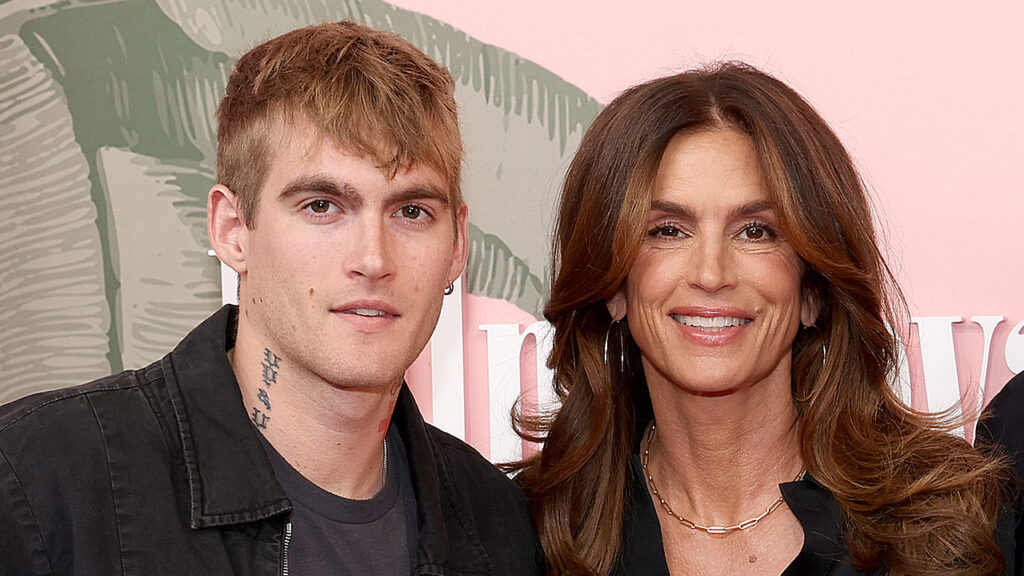
Presley died on Sunday, September 20, while at a rehabilitation facility in Los Angeles.
His family confirmed the devastating news and asked for privacy during what they described as an extremely difficult and painful time.
The Los Angeles County Medical Examiner has not yet publicly determined Presley’s cause of death, and initial reports said an autopsy was pending.
That means there is currently no official basis for linking his death to his history of addiction, his medications, or any particular treatment.
But Presley had never tried to pretend that his personal struggles didn’t exist.
Instead, especially during the final years of his life, he became remarkably candid about them.
And one post from March 2026 has now taken on an especially poignant meaning.
In the post, Presley documented his experience undergoing ibogaine treatment as part of his recovery journey.
He shared photographs from the experience and admitted that he had been frightened by what he was about to face.
“Quiet moment before everything changed,” Presley wrote.
He said he had been terrified, describing the experience as something that required him to surrender the control he’d been desperately trying to maintain.
For Presley, the treatment appeared to represent more than another attempt at recovery.
He wrote about confronting things he’d spent years trying to escape and beginning to reconnect with himself.
“I knew why I was there,” he wrote, before explaining that he’d faced what he’d been running from and had started finding his way back to himself.
Then came a line that feels particularly painful following the news of his death.
Presley wrote that he was “praying it’s the last time I have to come back.”
At the time, his words reflected his hope that he wouldn’t need to return for another round of treatment.
Today, knowing that Presley died only months later, the message carries an unavoidable sadness.
Still, his post wasn’t entirely dark.
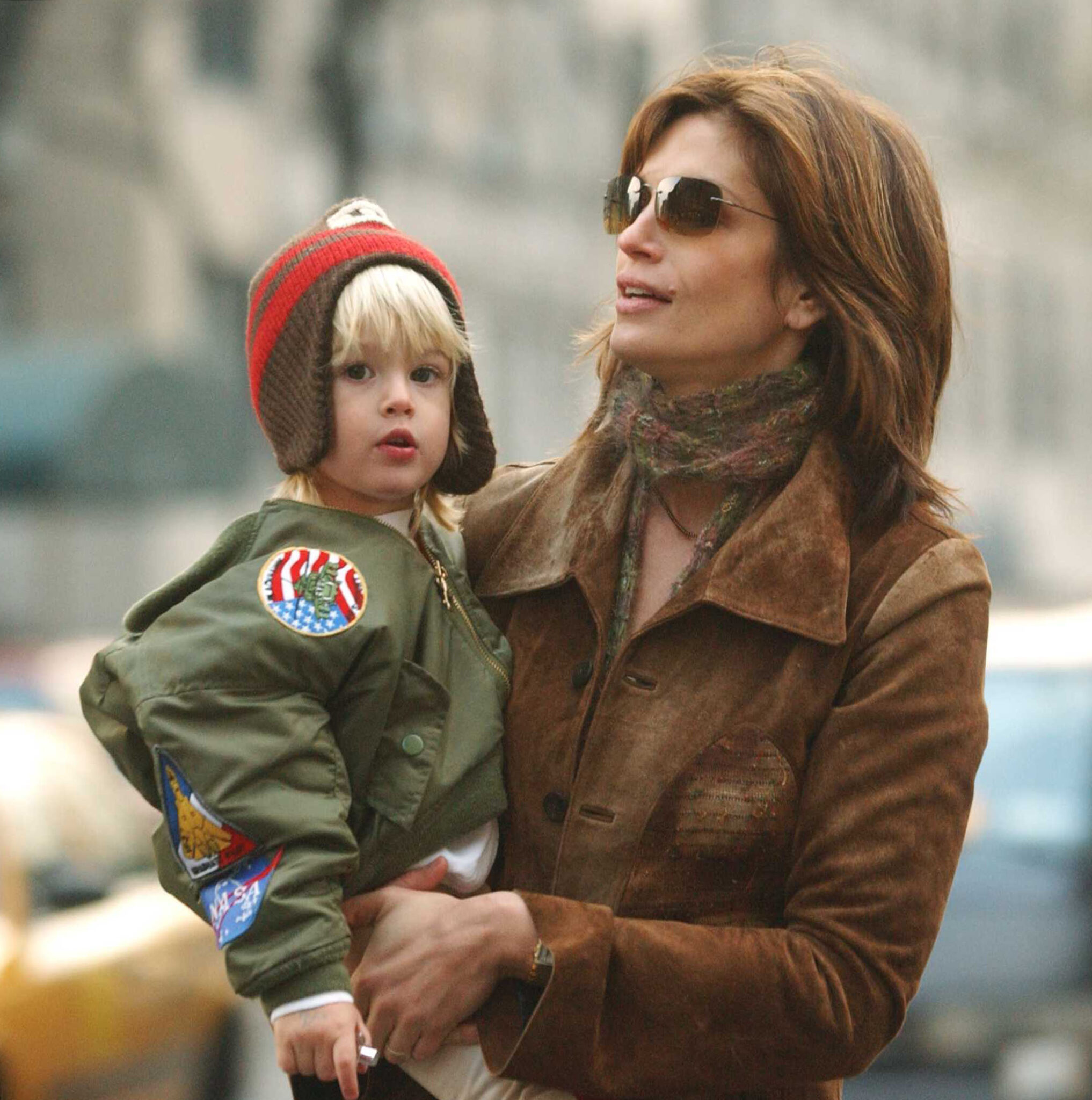
Presley thanked the people who had supported him through the experience and even ended his message with humor, writing that he’d made some great friends along the way.
His family responded with pride.
His mother, Cindy Crawford, left an emotional message underneath the post, describing her son as a “warrior” and telling him how proud she was of the work he’d done.
His younger sister, Kaia Gerber, also publicly celebrated her brother.
She wrote that she was incredibly proud of him.
Those messages now offer a glimpse into a family standing behind someone who had been fighting a deeply personal battle.
Presley was born July 2, 1999, the eldest child and only son of Cindy Crawford and businessman Rande Gerber.
His younger sister, Kaia, followed their mother into modeling and later acting.
Presley also entered the fashion industry while still a teenager.
He began modeling professionally at a young age and walked for major fashion houses, including Moschino, while also working with internationally recognized brands.
From the outside, Presley appeared to have been born into a world of extraordinary privilege.
His mother was one of the defining supermodels of her generation.
His father became a successful businessman.
His sister developed her own high-profile career.
But Presley increasingly made it clear that privilege did not protect someone from mental-health struggles or addiction.
Instead of hiding that side of his life, he began speaking about it.
He launched social-media discussions under the banner “Mental Health Mondays,” encouraging conversations about emotional struggles that are often hidden behind carefully curated public images.
During a 2023 appearance on the Studio 22 podcast, Presley explained that his experiences with mental health and depression had helped shape what he wanted to do with his platform.
If sharing his experiences could help even one person escape the kind of place he’d once found himself in, Presley suggested, then speaking publicly about his struggles was worthwhile.
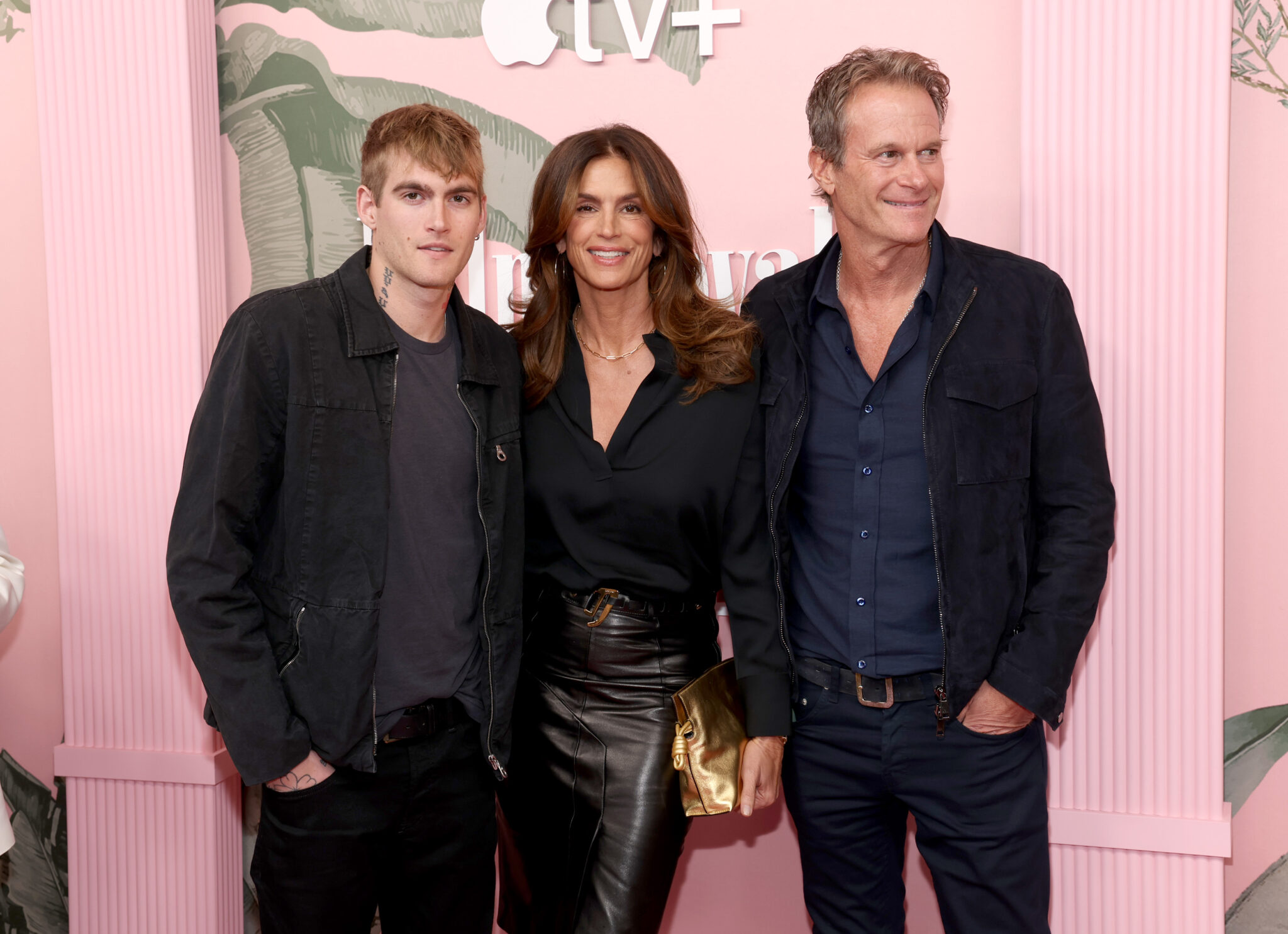
Mental health, he explained, wasn’t something he could simply deal with occasionally and forget.
He described managing it as a constant job.
Presley also emphasized that he wanted people facing depression, addiction or other difficulties to know they wouldn’t be judged by him.
That openness became increasingly important during the final years of his life.
In December 2025, Presley again spoke candidly on Instagram about his struggles and the medications he had been taking.
He acknowledged that his situation was complicated and that recent losses in his life had affected him.
But rather than portraying himself as someone who had everything figured out, Presley appeared determined to show people what struggling actually looked like.
His younger sister later explained just how significant that honesty had become within their family.
Only weeks before Presley’s death, Kaia discussed her brother in Vogue’s September 2026 cover story.
The magazine described Presley as having experienced a “decade-long struggle with drug addiction.”
Kaia revealed that her brother’s difficulties affected everyone around him.
“When something like that happens in a family, it kind of levels everyone,” she said.
She also admitted that Presley’s struggles influenced how she viewed her own needs.
Kaia said she began thinking of herself as “the easy one” and became reluctant to ask for help because she felt her family was already dealing with so much.
But there was another side to Presley’s journey that Kaia clearly admired.
His honesty.
Kaia explained that Cindy Crawford and Rande Gerber had traditionally been extremely private about their family’s personal lives.
Presley was different.
She described her brother as an “absolute teacher” who was willing to show the world his humanity rather than hide everything difficult or imperfect.
For Kaia, trying to conceal someone’s struggles could unintentionally make that person feel as though their family was ashamed of them.
Presley appeared determined to do the opposite.
He talked.
He shared.
He admitted when things were difficult.
And he allowed strangers to see that recovery was not necessarily a straight line.
That is part of what makes his March post so emotional now.
It wasn’t written as a farewell.
It shouldn’t be treated as one.
It was the message of a 26-year-old man trying to move forward.
Presley was frightened, but hopeful.
He was confronting his past while imagining a different future.
And he appeared to believe that perhaps this particular treatment experience could mark the beginning of another chapter.
Only months later, his family is mourning his death.
His mother, father and sister have asked for privacy while they process a loss few families could ever be prepared for.
And important questions remain unanswered.
The medical examiner has not publicly announced what caused Presley’s death.
Until that determination is made, speculation about whether addiction, medication or treatment played a role would go beyond what is currently known.
What Presley himself made clear, however, was that his struggle had been real.
So was his determination to talk about it.
He didn’t present recovery as glamorous or simple.
He showed fear.
Uncertainty.
Setbacks.
And hope.
That may ultimately be one of the most meaningful parts of the public legacy he leaves behind.
Because behind the famous surname, fashion campaigns and photographs with one of America’s most recognizable modeling families was a young man who wanted people facing their own battles to know they didn’t have to hide them.
Presley once hoped that sharing what he’d experienced might help someone else feel less alone.
After his death at only 27, that message has become even more poignant.
And the words he shared during one of his final treatment experiences now stand as a painful reminder of how hard he was trying to find his way forward.