189
252
Силни болки во зглобовите? Направете го ова штом ќе се разбудите
More…
890
223
297
Габата се плаши од тоа како оган!
More…
58
15
19
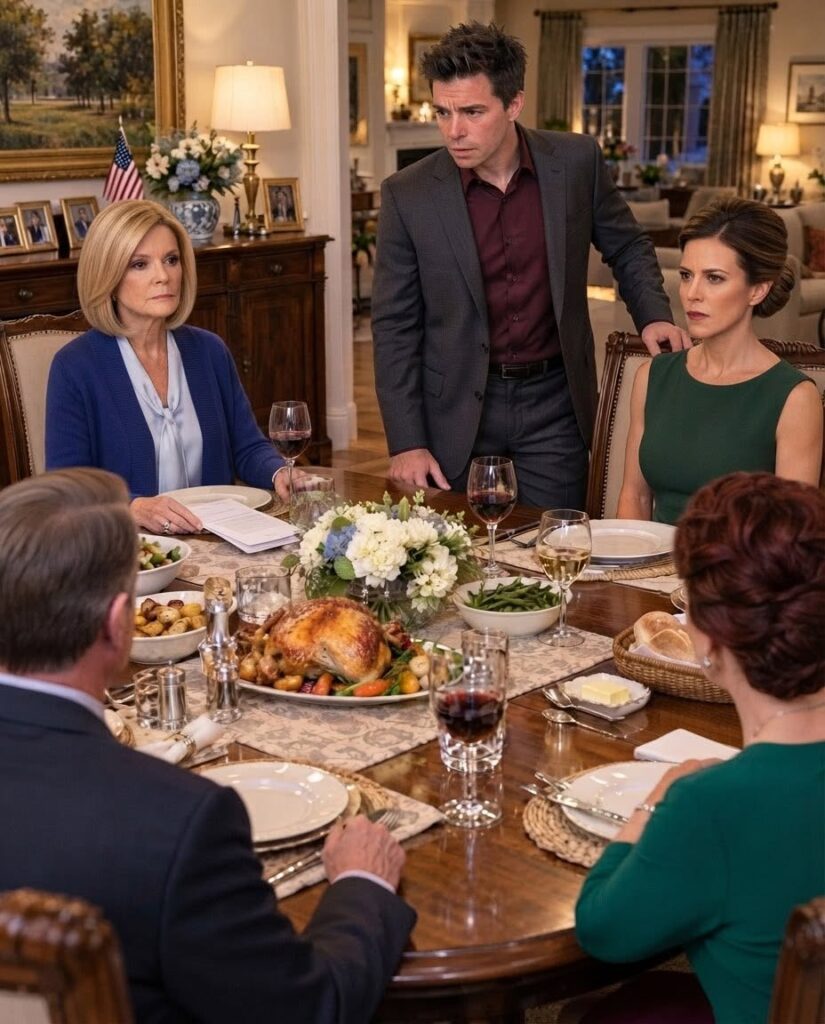
“What is that?”
I looked directly at my son.
“It’s a notice.”
Interesting For You
Силни болки во зглобовите? Направете го ова штом ќе се разбудите
More…
857
214
286
Princess Diana’s Reaction To Charles Says It All Here
More…
266
67
89
Габата се плаши од тоа како оган!
More…
492
123
164
His expression changed.
“What kind of notice?”
“You and Sarah have thirty days to move out.”
The room went completely silent.
Interesting For You
Princess Diana’s Reaction To Charles Says It All Here
More…
703
176
234
Силни болки во зглобовите? Направете го ова штом ќе се разбудите
More…
548
137
183
Габата се плаши од тоа како оган!
More…
847
212
282
Sarah stared at me.
“You’re evicting us?”
“I’m asking two healthy adults in their thirties to leave the house they’ve been living in rent-free for eight months.”
David pushed his chair back.
“Mom, this is insane.”
“No.”
Interesting For You
Surprisingly Overpriced: Melania Trump’s Most Expensive Dress
More…
701
175
234
Movies With Sex Scenes That Made Their Mark On Cinema
More…
108
27
36
Can The Goliath Frog Come Back From The Brink Of Extinction?
More…
662
166
221
I kept my voice calm.
“What’s insane is telling the owner of a debt-free house that she has become a burden while eating food she bought and using utilities she pays for.”
Sarah’s father, Richard, slowly lowered his wine glass.
Linda looked from her daughter to me.
“Sarah,” she said carefully, “is what Teresa said true?”
Sarah’s face flushed.
“Not like that.”
I reached into my cardigan again.
This time, I pulled out the glossy Sunset Pines brochure.
I placed it beside the move-out notice.
Interesting For You
These 7 Movies Will Haunt You Forever
More…
120
30
40
Step Into 1885 But Don’t Be Scared Of The Human Attractions
More…
402
101
134
These Late-Night Guests Took TV to Uncharted Territory
More…
242
61
81
“I found this hidden under my mail.”
David looked at Sarah.
She looked at him.
Neither spoke.
Richard frowned.
“You were planning to move Teresa into assisted living?”
Sarah immediately answered.
“We were researching options.”
“For a sixty-four-year-old woman who runs three miles every morning?” Linda asked.
Sarah snapped:
“That’s not the point.”
“What is the point?”
David stepped in.
“Mom lives alone in a huge house.”
I almost laughed.
“I don’t live alone.”
He looked confused.
“You and Sarah have been making that impossible.”
Richard hid a smile behind his napkin.
David noticed.
“This isn’t funny.”
“No,” Richard said. “It isn’t.”
Then he turned toward his daughter.
“Were you planning to keep living here after Teresa moved?”
Sarah stared at him.
“We would maintain the property.”
“That wasn’t my question.”
Silence.
Linda’s expression hardened.
“Sarah?”
“Yes.”
The single word changed the entire dinner.
Richard leaned back.
“Rent-free?”
Sarah said nothing.
David spoke instead.
“We’re saving for a house.”
Richard nodded.
“So Teresa should give up hers?”
David shook his head.
“No one said give it up.”
I looked at him.
“You said you would take responsibility for it.”
“That’s different.”
“How?”
He opened his mouth.
Then closed it.
Because there was no answer.
Sarah crossed her arms.
“You don’t understand how hard it is for our generation.”
I almost admired the audacity.
“I understand perfectly.”
“No, you don’t.”
“I worked forty years.”
“That was different.”
“Yes.”
I nodded.
“I paid for my own housing.”
Richard coughed into his napkin.
Sarah glared at him.
I slid another paper onto the table.
“This is the house valuation.”
David looked at it.
“What?”
“Marcus completed it Friday.”
The house was worth considerably more than David realized.
Neighborhood values had climbed sharply over the past decade.
The property Arthur and I had purchased for $186,000 was now estimated at nearly $940,000.
Sarah stared at the number.
I saw calculation appear in her face almost immediately.
That was when I knew I had made the right decision.
David said:
“Why did you need a valuation?”
“I’m considering selling.”
His fork fell against the plate.
“What?”
Sarah turned toward me.
“You can’t sell this house.”
I raised one eyebrow.
“Why not?”
“Because…”
She stopped.
“Because what?”
“This is David’s childhood home.”
“No, it isn’t.”
He looked confused.
“We moved here after he started college.”
Richard laughed.
This time openly.
David glared.
“Can everyone stop treating this like a joke?”
I folded my hands.
“I am not joking.”
“Where would you go?”
“I’ve been looking at a smaller house near the botanical garden.”
Sarah almost shouted.
“You’d sell a four-bedroom house just to prove a point?”
“No.”
“I’d sell a house that is now larger than I need and use my own money however I choose.”
David stared at me.
“What about my inheritance?”
There it was.
Not subtle.
Not hidden.
My inheritance.
Linda closed her eyes.
Richard muttered:
“Oh, David.”
My son immediately realized what he had said.
“That came out wrong.”
“No.”
I looked at him.
“It came out exactly right.”
“Mom…”
“You’re thirty-two years old, and you are already planning around money I have not left you.”
“I’m your only child.”
“And?”
He looked genuinely confused.
I had raised him.
Loved him.
Paid for college.
Helped with his first apartment.
Helped with his wedding.
When he lost his job at twenty-seven, Arthur and I covered three months of expenses.
When he and Sarah said they needed somewhere temporary, I opened my home.
Somewhere along the way, help had become expectation.
And expectation had become entitlement.
I said:
“Your father and I always intended to leave you something.”
David relaxed slightly.
I continued.
“But Arthur also believed adults should build their own lives.”
His expression tightened again.
I had not mentioned Arthur much since he died.
I missed him every single day.
He was not perfect.
Neither was I.
But he would have been furious at the way David spoke to me.
Not because of money.
Because of disrespect.
I looked at my son.
“You told me I was a burden.”
“I apologized.”
“No, you didn’t.”
Silence.
“You told me we’d discuss it Sunday.”
I glanced around the table.
“So we are.”
Sarah stood.
“I’m not going to sit here while you humiliate us.”
Linda looked at her daughter.
“Sit down.”
Sarah froze.
I had never heard Linda use that tone.
“Mom—”
“Sit down.”
Sarah slowly sat.
Linda turned toward me.
“Teresa, I owe you an apology.”
“You don’t.”
“Yes.”
She looked at Sarah.
“When she told us you were becoming forgetful and difficult, I believed her.”
My stomach dropped.
“What?”
David looked at Sarah.
“You told them that?”
Sarah’s face went pale.
“It wasn’t like that.”
“What did you tell them?”
Linda answered.
“She said you were becoming confused about bills.”
I stared at Sarah.
“She said you sometimes forgot conversations.”
Richard added:
“And that you were struggling to manage the house.”
The pieces came together.
Sunset Pines.
The suggestion that I needed care.
The questions about my banking.
The assumption that they would stay in the house.
They had not merely been calling me a burden.
Sarah had been building a story.
I looked at David.
“Did you know?”
His face answered before his mouth did.
“David.”
“I knew she thought you needed help.”
“That is not what I asked.”
He looked down.
“Yes.”
The word hurt more than anything else that evening.
My own son had allowed people to believe I was losing my ability to manage my life.
“Why?”
He rubbed his forehead.
“Because every time we talked about moving out, Sarah panicked.”
“So you decided I was the easier person to remove?”
“No!”
“Then explain it.”
He looked at Sarah.
She refused to meet his eyes.
Finally he said:
“We thought if you moved somewhere smaller…”
“Sunset Pines is not simply somewhere smaller.”
Silence.
“It is assisted living.”
“You’d have activities.”
I actually laughed.
“I already have activities.”
“Mom—”
“I volunteer three days a week.”
I counted on my fingers.
“I run. I drive. I manage my investments. I travel. I host dinner. I maintain this house.”
Then I looked directly at Sarah.
“And until Tuesday, I washed your underwear.”
Richard almost choked on his wine.
Even Linda smiled.
Sarah went crimson.
“That is disgusting.”
“No.”
I smiled.
“Doing it was disgusting.”
For the first time all evening, David looked embarrassed for himself instead of angry at me.
I pushed the notice toward him.
“Thirty days.”
“Where are we supposed to go?”
“That is something two adults can decide.”
“We don’t have enough saved.”
“You have been living here without rent for eight months.”
He said nothing.
I continued.
“I know exactly what both of you earn.”
Sarah’s head snapped up.
“How?”
“You applied for a mortgage preapproval six months ago.”
David stared.
“You know about that?”
“The paperwork came to my address.”
Their combined income was more than enough to rent a comfortable apartment.
The problem was not survival.
They wanted to preserve every possible dollar for a down payment while spending mine instead.
That night, dinner ended early.
Richard and Linda left after offering me their support.
Sarah went upstairs without speaking.
David remained at the table.
For a long time, neither of us said anything.
Finally he whispered:
“Are you really going to make me leave?”
I looked at him.
“Yes.”
His eyes filled.
That nearly broke me.
He was still my son.
I could still remember him at seven with scraped knees.
At twelve, nervous before middle school.
At eighteen, hugging me when he left for college.
Being a mother does not stop because your child becomes difficult.
But loving someone is not the same as protecting them from consequences.
“Mom.”
“Yes?”
“I’m sorry.”
I waited.
“For calling you a burden.”
“Thank you.”
“And for the assisted living thing.”
I nodded.
He looked hopeful.
“But you still have to move out.”
His face fell.
“Why?”
“Because if my forgiveness becomes your permission to continue, then it isn’t forgiveness.”
He stared at me.
I reached across the table.
“I love you.”
He took my hand.
“I love you too.”
“Good.”
I squeezed his fingers.
“Then learn how to stand without using me as furniture.”
PART 2
The next thirty days were unpleasant.
Sarah barely spoke to me.
She stopped leaving sticky notes but replaced them with dramatic sighs.
David tried bargaining.
First:
“What if we pay rent?”
Then:
“What if we cover utilities?”
Then:
“What if we just stay until spring?”
My answer remained the same.
“No.”
Not because I wanted revenge.
Because something had fundamentally changed.
The house had stopped being a home for them.
It had become a strategy.
I needed the strategy to end.
They found a two-bedroom apartment twelve minutes away.
The rent was expensive.
Not impossible.
Sarah complained constantly.
But they signed the lease.
The morning they moved out, I watched the truck pull away from my driveway.
The house became quiet.
For the first time in eight months, the silence felt peaceful instead of lonely.
I walked into the guest bedroom.
The bed was stripped.
Closet empty.
A faint rectangle remained on the wall where Sarah had removed one of my paintings and replaced it with a mirror.
I laughed.
Then I carried my painting back upstairs.
That evening, I cooked pasta for one.
Poured a glass of wine.
Sat at the table.
And missed my son.
Both things could be true.
Relief and sadness.
Boundaries do not remove love.
They simply stop love from becoming self-erasure.
Two weeks later, Marcus called.
“I have someone interested in the house.”
I stared out the kitchen window.
“So quickly?”
“The market is strong.”
“Did they make an offer?”
“Above asking.”
I did not answer immediately.
Selling had begun as an option.
Then slowly, it started feeling right.
Arthur and I had filled the house once.
Dinner parties.
Christmas mornings.
Loud arguments.
Music.
David visiting from college.
Then after Arthur died, it became a museum.
I preserved rooms because changing them felt like losing him again.
Maybe David and Sarah moving in had disturbed that museum enough for me to see it differently.
The house was not Arthur.
It was wood.
Brick.
Memories.
And memories could travel.
I accepted the offer.
David found out from Sarah.
She called him after seeing the “Pending” sign.
He arrived at my door furious.
“You sold it?”
“Yes.”
“You actually sold Dad’s house?”
“Our house.”
“You didn’t even ask me.”
“I didn’t need your permission.”
He looked hurt.
“I grew up here.”
“Not really.”
“That’s not the point.”
“What is the point?”
He struggled.
Then finally:
“I thought one day it would be mine.”
I nodded.
“I know.”
And for the first time, he seemed to understand that was part of the problem.
“What are you doing with the money?”
I smiled.
“None of your business.”
He almost laughed.
Almost.
I sold the house for $972,000.
After expenses and taxes associated with the transaction, the proceeds went into accounts controlled entirely by me.
I purchased a smaller three-bedroom cottage near the botanical garden.
Cash.
No mortgage.
The backyard was half the size.
Exactly what I wanted.
I converted one bedroom into an office.
One into a guest room.
And painted the kitchen pale yellow because Arthur always hated yellow kitchens.
I could almost hear him complaining.
The first night there, I put his photograph on the mantel.
“You’re dead,” I told him.
“You don’t get a vote.”
I laughed until I cried.
Then something else changed.
I updated my estate plan.
Not to punish David.
He remained my primary beneficiary.
But no longer automatically for everything.
I created education accounts for future grandchildren.
Left money to the botanical garden.
Established a small scholarship in Arthur’s name for students studying accounting or transportation trades.
And I added one important condition:
No one would control my finances or housing decisions unless independent medical professionals determined I was unable to do so.
Sarah’s attempt to create a story about my supposed decline had taught me something.
Independence deserved paperwork too.
When David learned I had changed the estate plan, he surprised me.
He didn’t argue.
He said:
“That makes sense.”
Progress.
Sarah took longer.
For months, she avoided me.
Then one Saturday afternoon, she called.
“Can we talk?”
I almost said no.
Instead, we met at a café.
She looked tired.
“I owe you an apology.”
I waited.
“I was scared.”
“Of what?”
“Money.”
She stared into her coffee.
“My parents struggled when I was growing up. We moved four times because rent went up.”
I had never known that.
“When David and I moved into your house, it felt like the first time I could breathe.”
I listened.
“Then I started thinking…”
“That if I moved out, you wouldn’t have to.”
She nodded.
“Yes.”
“And assisted living?”
Her eyes filled.
“That was awful.”
“Yes.”
“I convinced myself you’d enjoy it.”
I said nothing.
“But really, I enjoyed the idea.”
There it was.
Honesty.
“I’m sorry.”
I believed her.
I did not invite them back.
Forgiveness did not require repeating the arrangement.
Over the next year, something unexpected happened.
David and Sarah became more responsible.
Not instantly.
They complained about rent.
Budgeted badly at first.
Canceled two vacations.
Sold Sarah’s luxury SUV and bought a used Honda.
David learned how much groceries actually cost.
He once called me from the supermarket.
“Twenty dollars for laundry detergent?”
I laughed.
“Welcome to adulthood.”
Sixteen months after moving out, they bought a small townhouse.
Not the giant suburban home they had imagined.
Two bedrooms.
Tiny yard.
Farther from downtown.
They invited me over the first weekend.
Sarah opened the door.
“We own thirty years of payments.”
I laughed.
“That sounds about right.”
David gave me a tour.
When we reached the laundry room, he pointed proudly.
“I know how to use that now.”
“A miracle.”
He smiled.
Then became serious.
“Mom?”
“Yes?”
“Thank you for kicking us out.”
I stared.
“Who are you, and what have you done with my son?”
He laughed.
“I mean it.”
He looked around the townhouse.
“I was angry because you stopped making life easy.”
He paused.
“But easy wasn’t helping us.”
That sentence stayed with me.
A year later, Sarah became pregnant.
When their daughter, Amelia, was born, I arrived at the hospital carrying flowers and absolutely no advice.
David placed the baby in my arms.
She was tiny.
Perfect.
I looked down and felt something shift.
Not forgiveness.
That had already happened.
Continuity.
Arthur would have loved her.
David sat beside me.
“I want you to know something.”
“What?”
“If you ever need help when you’re older—”
I raised one finger.
“Careful.”
He laughed.
“Let me finish.”
I waited.
“If you ever need help, you get to decide what that help looks like.”
My throat tightened.
“Thank you.”
“No Sunset Pines brochures.”
“Excellent.”
Sarah smiled from the hospital bed.
“We burned them all.”
Years passed.
I stayed in my cottage.
At seventy, I still volunteered.
I stopped running because my knees objected and switched to long walks.
At seventy-three, I took a river cruise through Europe with Linda.
Yes.
Sarah’s mother.
We became friends after that infamous dinner.
Richard joked that he regretted introducing us.
At seventy-five, I hired someone to help with the yard.
At seventy-eight, I stopped driving at night.
Each change was my decision.
When I eventually needed more help, David did not arrive with brochures.
He arrived with questions.
“What do you want?”
“What would make you comfortable?”
“Do you want someone to come here?”
“Would you like to look at smaller communities?”
That difference mattered.
One afternoon, years after everything began, I found the old Sunset Pines brochure while cleaning a file box.
I laughed.
Then Amelia, now eleven, walked into the room.
“What’s that, Grandma?”
“An old misunderstanding.”
She looked at the picture of the smiling elderly woman.
“Were you going to live there?”
“No.”
“Why not?”
“I wasn’t ready.”
She shrugged.
“Okay.”
Simple.
Children sometimes understand autonomy better than adults.
I tore the brochure in half and threw it away.
Not angrily.
It no longer had power.
The moment that changed our family did not happen when I sold the house.
Or changed the bank accounts.
Or stopped doing laundry.
It happened at Sunday dinner.
When my son called his plan a win-win.
And I finally stopped confusing sacrifice with love.
For years, I believed being a good mother meant giving until someone told me I could stop.
No one ever did.
So I learned to tell myself.
David was not evil.
Sarah was not a monster.
They were two adults who became comfortable receiving more than they gave.
And I helped create that comfort every time I swallowed resentment and called it generosity.
Once I changed, they had to change too.
Sometimes they resented me for it.
Eventually they thanked me.
But their gratitude was never the point.
The point was that I remembered something David and Sarah had forgotten.
I was not living in their future inheritance.
They were living in my present.
The house was mine.
The money was mine.
The time was mine.
And the rest of my life belonged to me too.
So when David looked across that dinner table and asked what the folded paper was, I gave him an answer none of them expected.
“You called me a burden,” I said.
“Now I’m removing that burden from your life.”
Thirty days later, they carried the last box out.
And for the first time in years, I stood in my own doorway and realized I had not lost my family.
I had simply stopped allowing family to mean ownership.