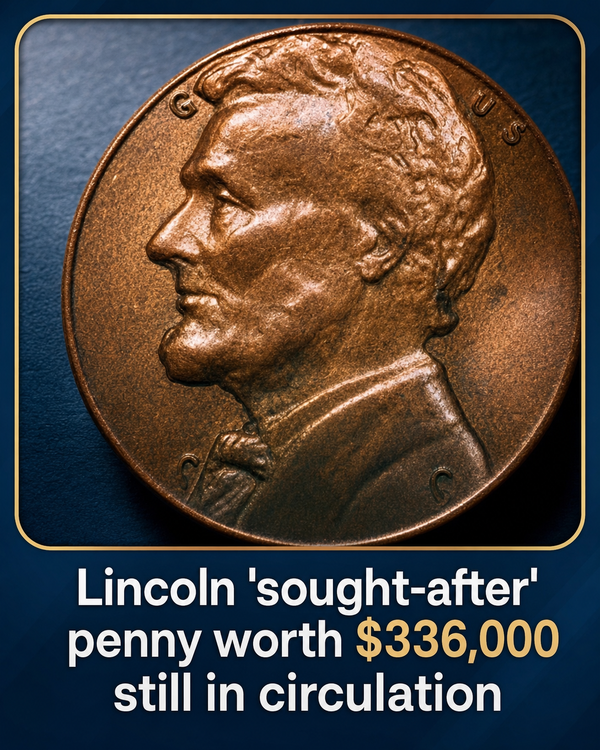
One wartime minting mistake created a coin so rare that a single cent could still be sitting unnoticed in someone’s spare change today.
The Wartime Minting Mistake
During World War II, the U.S. Mint switched pennies from copper to steel in order to conserve metal for the war effort. But in 1943, a small number of leftover bronze blanks were accidentally fed into the presses alongside the new steel ones.
The result was a tiny batch of bronze pennies struck in a year when they technically shouldn’t have existed. When the first examples surfaced in circulation in 1947, they triggered a national sensation, complete with newspaper coverage and frantic searches through pocket change.
What Makes the Coin Valuable
At first glance, the 1943 Bronze Lincoln Cent looks like countless other pennies. It carries the familiar bust of Abraham Lincoln on the obverse and the inscription “ONE CENT UNITED STATES OF AMERICA” on the reverse.
The giveaway is its color. Where standard 1943 pennies appear dull gray due to their steel composition, this error coin carries a distinctive reddish-brown bronze tone. That subtle difference is what separates an ordinary cent from one that has sold at auction for as much as $336,000.
Could One Still Be Out There?
Part of what keeps the legend alive is simple: at least one known example of the coin is still unaccounted for. That means it could still be in active circulation, mixed in with ordinary change somewhere in the country.
For collectors and casual coin-checkers alike, that possibility is enough to keep old pennies from being overlooked. A quick glance at the color and date on any 1943 cent costs nothing, and the payoff, however unlikely, remains life-changing.