But Perry’s extraordinary success is only half of his story.
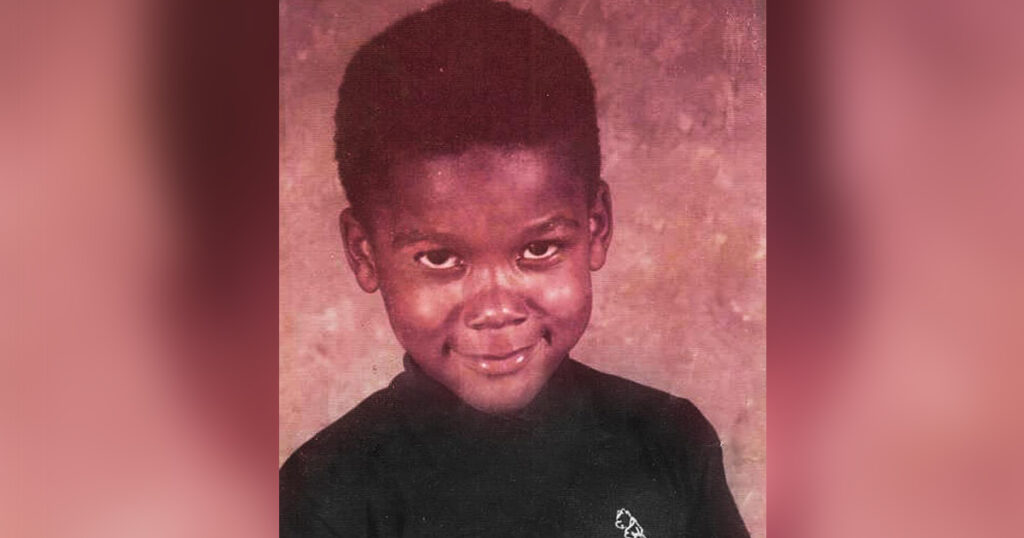
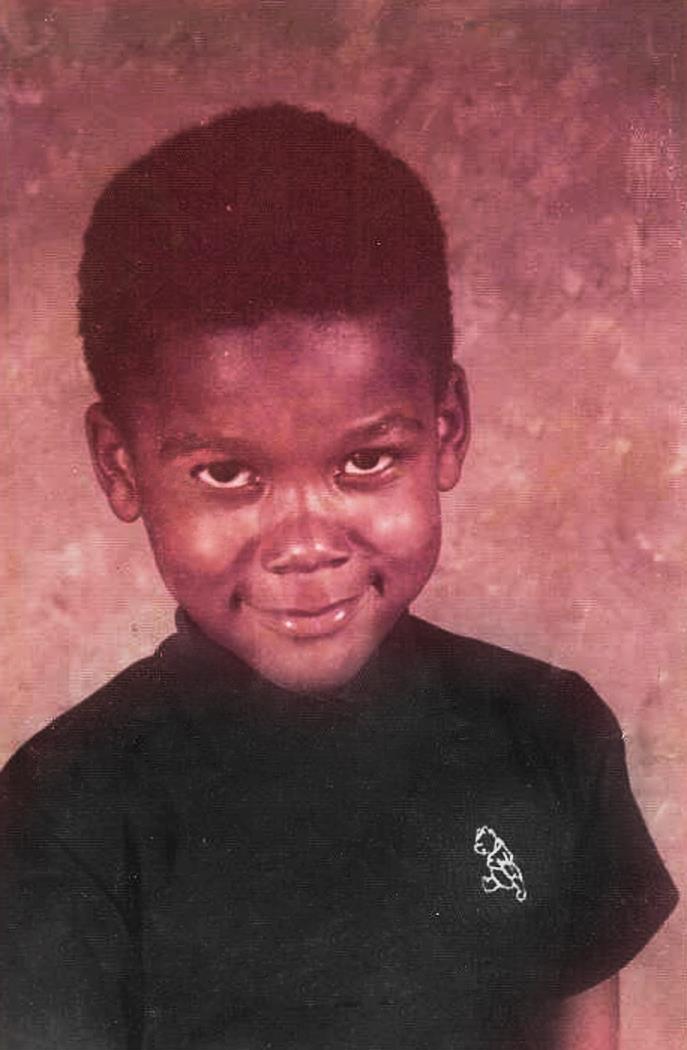
Long before the wealth, movies and enormous Atlanta studio, there was a frightened little boy in New Orleans who has said he endured years of physical and sexual abuse.
And long before he became a billionaire, Perry was so broke that he slept in his car while refusing to give up on the dream that would eventually change his life.
Born Emmitt Perry Jr. on September 13, 1969, in New Orleans, Perry grew up in a household he has described as deeply traumatic.
His relationship with the man he knew as his father was particularly painful.
In a deeply personal interview with Oprah Winfrey, Perry spoke publicly about the physical abuse he said he suffered as a child.
One memory involved being severely beaten with a vacuum-cleaner cord.
Perry recalled being cornered and repeatedly struck, leaving him badly injured.
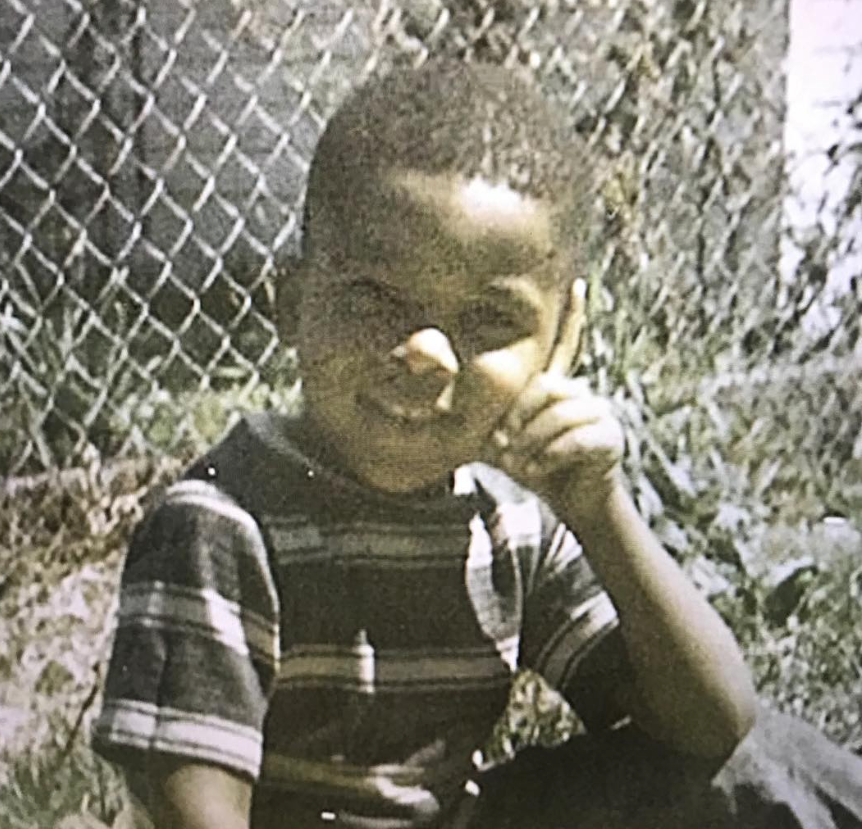
He said the atmosphere at home left him constantly afraid because he never knew what might trigger another beating.
The emotional consequences were devastating.
At one point during his childhood, Perry said, his despair became so overwhelming that he attempted suicide.
His mother, Willie Maxine Perry, became one of the most important stabilizing forces in his life.
She took him to church, where Perry said he saw something in her that he desperately wanted for himself.
Hope.
Faith.
Peace.
He later credited that spiritual foundation with helping him survive.
But physical violence at home wasn’t the only trauma Perry has described.
During his conversation with Winfrey, he revealed that he had also experienced sexual abuse involving multiple adults during his childhood.
Some incidents began when he was only a young boy.
Perry spoke about the confusion and shame that followed those experiences and the lasting psychological burden they created.
For years, he carried the effects.
Eventually, he said, he had to separate what had been done to him from who he actually was.
That realization became important to his healing.
The people who had hurt him had influenced his life, but Perry didn’t want them controlling the rest of it.
His road out of that childhood was anything but straightforward.
Perry didn’t emerge from adversity and immediately become successful.
There were years of struggle first.
After leaving school, he worked various jobs while trying to find direction.
Then inspiration came from an unexpected source.
Perry has said he heard Oprah Winfrey discussing the therapeutic value of writing down one’s experiences.
He began writing letters to himself.
Those writings eventually helped inspire his first stage production, “I Know I’ve Been Changed.”
The play explored themes that were painfully familiar to him, including abuse, forgiveness and healing.
Perry believed in it enough to invest his own money.
The audience, however, didn’t immediately agree.
His early productions struggled.
Perry repeatedly poured his money back into the play, convinced that eventually people would connect with what he was trying to say.
Instead, he went broke.
At one stage, he became homeless.
Perry has recalled sleeping in a small Geo Metro while hiding the vehicle from repossession.
It would be easy to tell his story as though this period lasted only long enough for a dramatic movie montage.
It didn’t.
Success took years.
He kept staging the play.
He took jobs.
He quit jobs.
He tried again.
And again.
And again.
Slowly, something changed.
Audiences started coming.
Word spread.
The communities Perry was writing for began filling theaters.
He had discovered something much of mainstream Hollywood had underestimated: there was a large audience, particularly within Black America, hungry for stories that spoke directly to its experiences.

Perry didn’t wait for the traditional entertainment establishment to invite him inside.
He built his own audience first.
His stage productions traveled from city to city and developed an intensely loyal following.
Then came Madea.
Mabel “Madea” Simmons — Perry’s outspoken, gun-toting, tough-loving grandmother character — became the face of an entertainment empire.
Madea appeared across numerous plays and eventually moved onto the big screen.
“Diary of a Mad Black Woman,” released in 2005, became an important breakthrough.
More Madea movies followed.
So did other films.
Television became another major part of Perry’s business.
Shows including “House of Payne” and “Meet the Browns” expanded his audience and strengthened his position as not merely a performer, but an owner and producer.
That distinction became critical to his fortune.
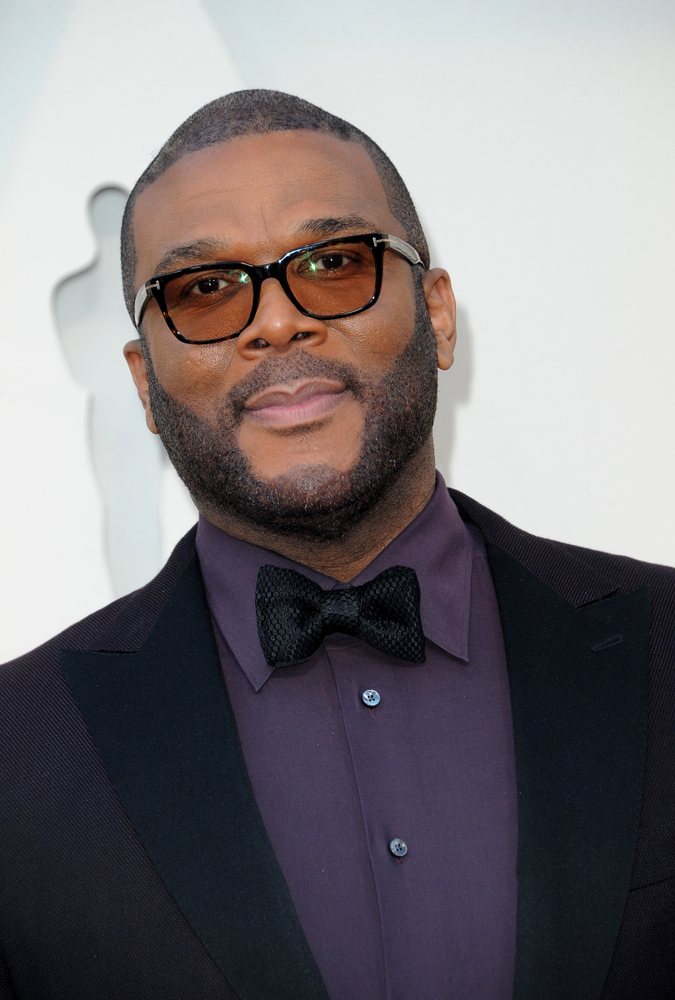
Perry retained significant ownership of the content he created.
Instead of simply collecting acting checks, he controlled valuable intellectual property.
Forbes reported in 2020 that Perry owned 100% of the content he had created — hundreds of television episodes, numerous movies and stage productions — helping propel his wealth into billionaire territory. (forbes.com)
Then came perhaps the most visible symbol of how far he’d traveled.
Tyler Perry Studios.
In 2015, Perry purchased hundreds of acres at the former Fort McPherson military base in Atlanta.
The studio officially opened in 2019.
The enormous complex contains soundstages, backlots and standing sets capable of supporting major film and television productions.
For a man who had once slept in his car because his theatrical dream wasn’t paying the bills, owning a major production studio carried obvious symbolism.
He wasn’t simply working in Hollywood anymore.
He had created infrastructure of his own.
His work has also brought major industry recognition.
Perry received the Television Academy’s Governors Award in 2020, honoring his achievements in television and philanthropy. (televisionacademy.com)
The following year, the Academy of Motion Picture Arts and Sciences presented Perry with the Jean Hersholt Humanitarian Award at the 2021 Oscars.
The honor recognized his philanthropic efforts and commitment to helping people facing hardship.
That side of Perry’s life has become increasingly important as his wealth and influence have grown.
Through charitable initiatives, he has supported causes involving homelessness, disaster relief and underserved communities.
His philanthropy carries particular resonance because of his own experience with poverty and homelessness.
Perry knows what it feels like to need help.
He also knows what it feels like to have success arrive after years when it seemed as though it never would.
But perhaps the most complicated part of his story involves his father.
For years, Perry believed the man who raised and abused him was his biological father.
Later, Perry publicly revealed that a DNA test indicated otherwise.
Despite their painful history, Perry has said he continued financially supporting the man who raised him, including providing him with a home.
That decision did not mean Perry excused what happened.
Forgiveness, in his telling, has been more about freeing himself from the control of his past.
His mother remained an entirely different presence in his life.
Perry was deeply devoted to her.
She died in 2009 after an illness.
Her influence continued to appear throughout his work and public reflections.
The frightened boy who once watched his mother smiling in church eventually became a man whose name appeared above his own movie studio.
It’s an extraordinary contrast.
Perry’s career has certainly attracted criticism over the years, including debate about his characters, storytelling and portrayals of Black life.
But his business achievement is difficult to separate from the way he built it.
He identified an audience.
He cultivated that audience through touring theater.
He maintained ownership.
He expanded into movies.
Then television.
Then physical production infrastructure.
And he did it after repeatedly failing at the beginning.
Today, the story of Tyler Perry isn’t simply about a Hollywood celebrity who became enormously wealthy.
It’s about the enormous distance between where his life began and where it eventually went.
A child who has said he lived in fear.
A young man whose first theatrical dreams left him broke.
A struggling playwright who slept in his car.
A performer who created Madea.
A producer who learned the importance of ownership.
A filmmaker who built his own studio.
And eventually, a billionaire entertainment mogul whose work earned recognition from both the Television Academy and the Academy Awards.
The painful experiences Perry endured as a child cannot be undone by money, awards or success.
Perry himself has made that clear by speaking publicly about the lasting effects of trauma.
But his adulthood demonstrates something else.
The people who hurt him did not get to write the final chapter.
Perry did.