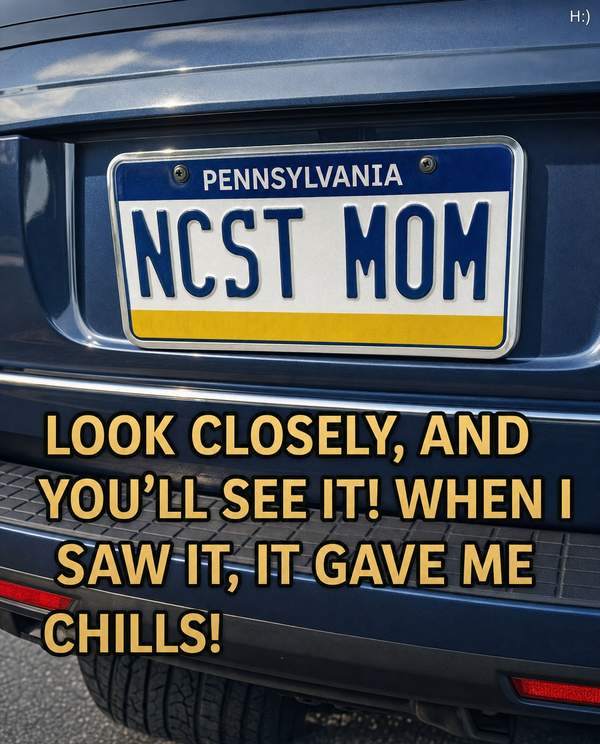
Instead, it moved quickly beyond one driver’s private punchline into a wider debate. People began weighing in on who belongs in Nevada, how the state’s rapid growth is reshaping daily life, and whether a bit of bumper humor could carry real meaning amid rising housing costs and traffic.
A Plate That Got People Talking
What began as wordplay on a car’s rear bumper spread far beyond the driver who chose it. Strangers on the road, on social media, and in everyday conversation started weighing in on what the plate actually meant — and whether it was funny or something sharper.
That’s often how these things work. A private joke, once put on public display, stops belonging to just one person. It becomes open to as many interpretations as there are people who see it.
Nevada’s Growing Pains
The plate landed at a moment when Nevada has been absorbing rapid population growth. New residents, new businesses, and new development have reshaped parts of the state in a short amount of time.
That growth has brought real friction along with it. Rising housing costs, heavier traffic, crowded infrastructure, and neighborhoods that feel less familiar than they used to are common complaints among longtime residents watching their surroundings shift.
Two Sides of the Same Debate
Reactions to the plate split cleanly down the middle. Some longtime residents saw it as a welcome release — a funny way of voicing frustrations they’d carried quietly for years as the state changed around them.
Others read the same message as unnecessarily hostile, a jab aimed at people who had simply made a personal decision to relocate. Many newcomers move to Nevada for job opportunities, favorable taxes, lifestyle changes, or the flexibility that remote work now allows.
Population growth isn’t one-sided either. It brings economic benefits to a state, even as it adds pressure to housing, roads, schools, utilities, and other shared services that weren’t built for so many new residents at once.
What This Says About a Changing State
The bigger takeaway isn’t really about one plate or one driver. It’s about how a small, personal statement can turn into a public flashpoint, carrying meaning its owner may never have intended.
For some, the plate captured legitimate concerns about affordability and congestion. For others, it felt exclusionary, deepening a sense of division between people who’ve lived in Nevada for years and those still finding their footing there.
At its core, the debate is about identity and belonging in a state that’s changing faster than many expected. The plate may have started as a joke, but the response it generated shows just how personally people feel about the places they call home — and how unresolved those feelings remain.