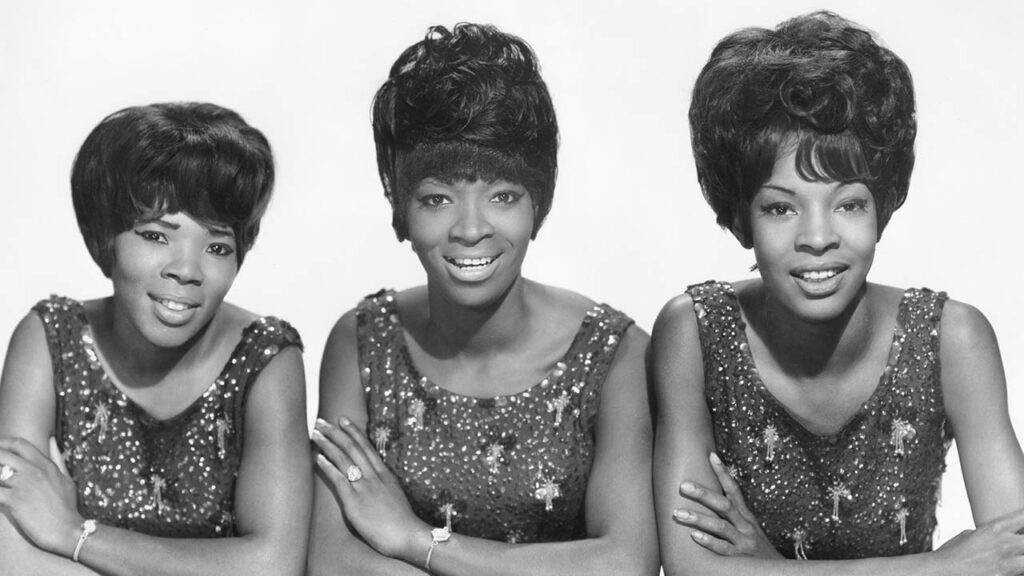
The news prompted an emotional tribute from her longtime bandmate Martha Reeves, who reflected on the singer’s important place in the history of the legendary Motown group.
“I am deeply saddened to hear about the passing of Rosalind Ashford,” Reeves said in a statement reported by the Detroit Free Press.
Reeves remembered Ashford-Holmes as an important figure in the group’s early years and said the singer would live on through the music they created together, adding that her “heart is heavy” following the loss.
Ashford-Holmes’ death marks the end of an extraordinary chapter in American music history.
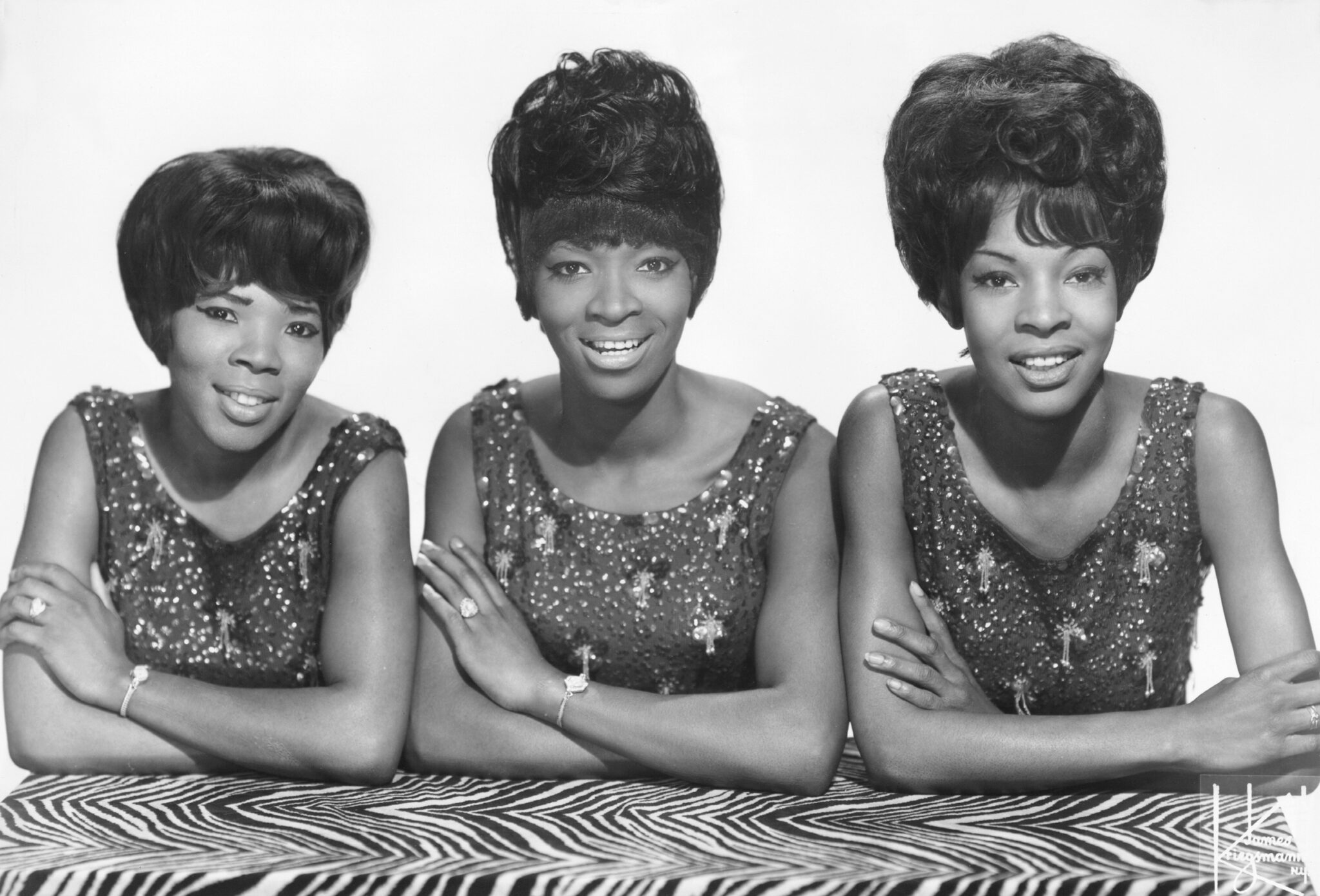
Born in Detroit on September 2, 1943, Ashford-Holmes developed her voice while singing in church and later in the glee club at Wilbur Wright High School.
As a teenager, she joined Annette Beard and Gloria Williams in the Del-Phis, an early vocal group that would eventually evolve into one of Motown’s most celebrated acts.
Martha Reeves later joined them, and the singers also performed under the name the Vels before their transformation into Martha and the Vandellas.
Before becoming stars themselves, the women worked as background vocalists, contributing to early recordings by artists including Marvin Gaye.
Then came the opportunity that changed everything.
After Gloria Williams left the group, Reeves, Ashford-Holmes and Beard became the trio known as Martha and the Vandellas and signed with Motown’s Gordy label in 1962.
Success arrived quickly.
Their 1963 single “Come and Get These Memories” became a breakthrough, reaching No. 6 on Billboard’s R&B chart.
That same year came one of their defining recordings, “(Love Is Like a) Heat Wave.”
The song became a major crossover success and earned the group a Grammy nomination, helping establish Martha and the Vandellas as one of the most exciting acts emerging from Detroit’s rapidly growing Motown scene.
“Quicksand” followed, continuing their run of hits.
But it was in 1964 that the group recorded a song that would become permanently woven into American popular culture.
“Dancing in the Street.”
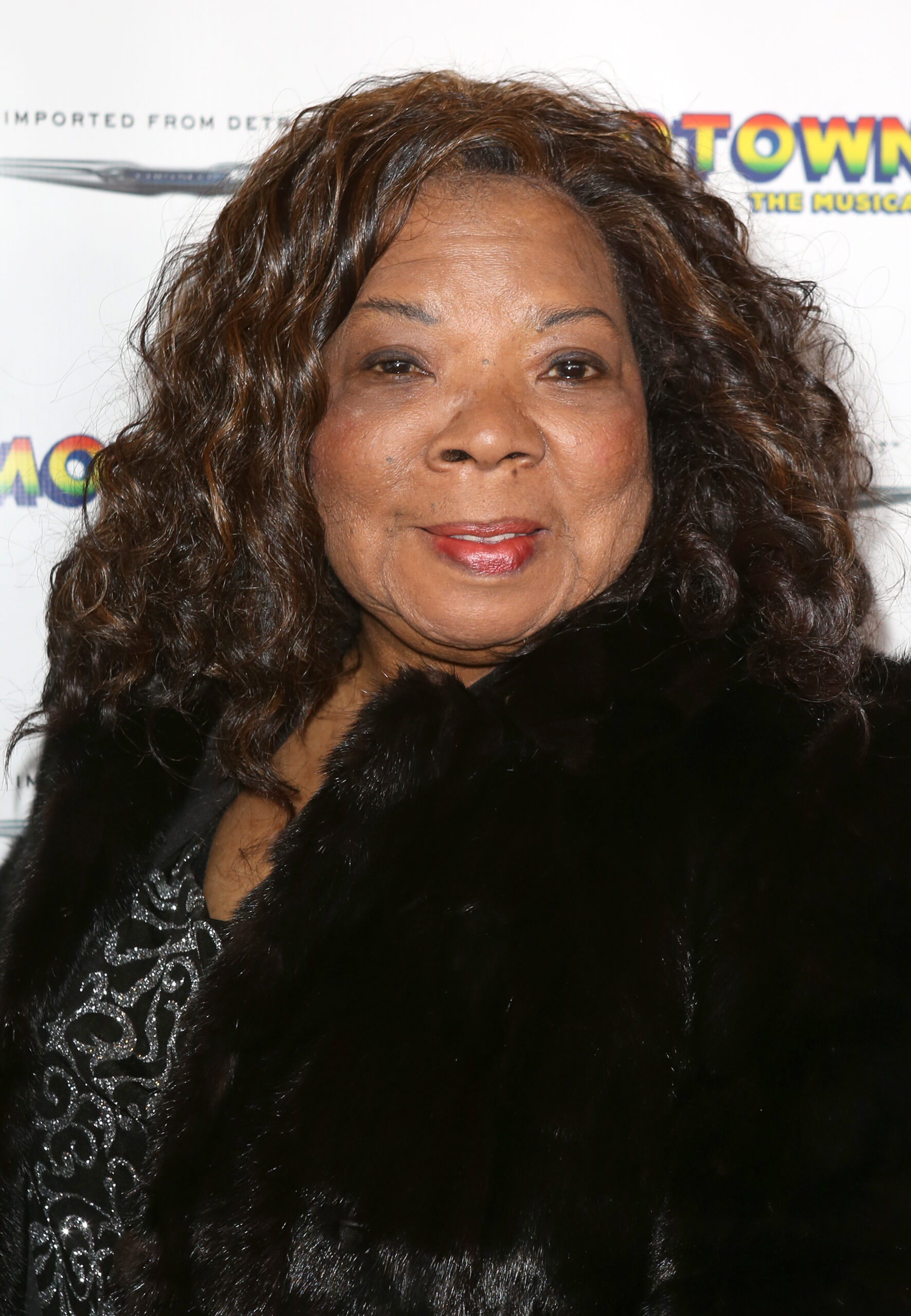
The record soared to No. 2 on the Billboard Hot 100 and became one of the defining Motown recordings of the era. Decades later, its instantly recognizable energy continued to inspire new generations of performers and listeners.
Ashford-Holmes’ high soprano became an important part of the vocal blend behind the group.
More hits followed, including “Nowhere to Run,” “I’m Ready for Love” and “Jimmy Mack.”
“Jimmy Mack” would reach No. 1 on Billboard’s R&B singles chart and become the group’s final U.S. top-10 pop hit.
By the time Ashford-Holmes stepped away from Martha and the Vandellas in 1969, she had contributed to nearly two dozen Top 40 singles on Billboard’s R&B chart.
Her life after Motown took a much quieter direction.
Ashford-Holmes went on to work for Michigan Bell Telephone Co., but music never disappeared completely from her life. Over the years, she occasionally reunited with former Vandellas members, including longtime singing partner Annette Beard, for performances as the Original Vandellas.
Then, in 1995, came one of the greatest honors of her career.
Martha and the Vandellas were inducted into the Rock & Roll Hall of Fame, becoming only the second all-female group to receive the honor at the time.
Ashford-Holmes’ legacy, however, reaches far beyond awards and chart positions.
Her voice became part of the soundtrack of an era when Motown was transforming American popular music and bringing Detroit soul to audiences around the world.
Songs she helped create more than six decades ago remain instantly recognizable today.
Following news of her death, Classic Motown also honored Ashford-Holmes, remembering her as a true icon whose vocal talent helped define Motown’s golden era.
For Martha Reeves, the loss is deeply personal.
The two women shared the extraordinary experience of going from young Detroit singers to members of one of the most celebrated vocal groups of the 1960s.
Whatever changes the decades brought, their voices remained permanently connected through the records they made together.
Ashford-Holmes is survived by her son, Damon Holmes, four grandchildren and a daughter-in-law. Funeral arrangements were pending following the announcement of her death.
She was 83.
But the music she helped create is unlikely to fade.
Every time “Heat Wave” begins playing, every time the opening energy of “Dancing in the Street” fills a room, and every time another generation discovers the unmistakable sound of Martha and the Vandellas, Rosalind Ashford-Holmes’ voice will still be there.
A Motown original is gone, but her place in music history remains.