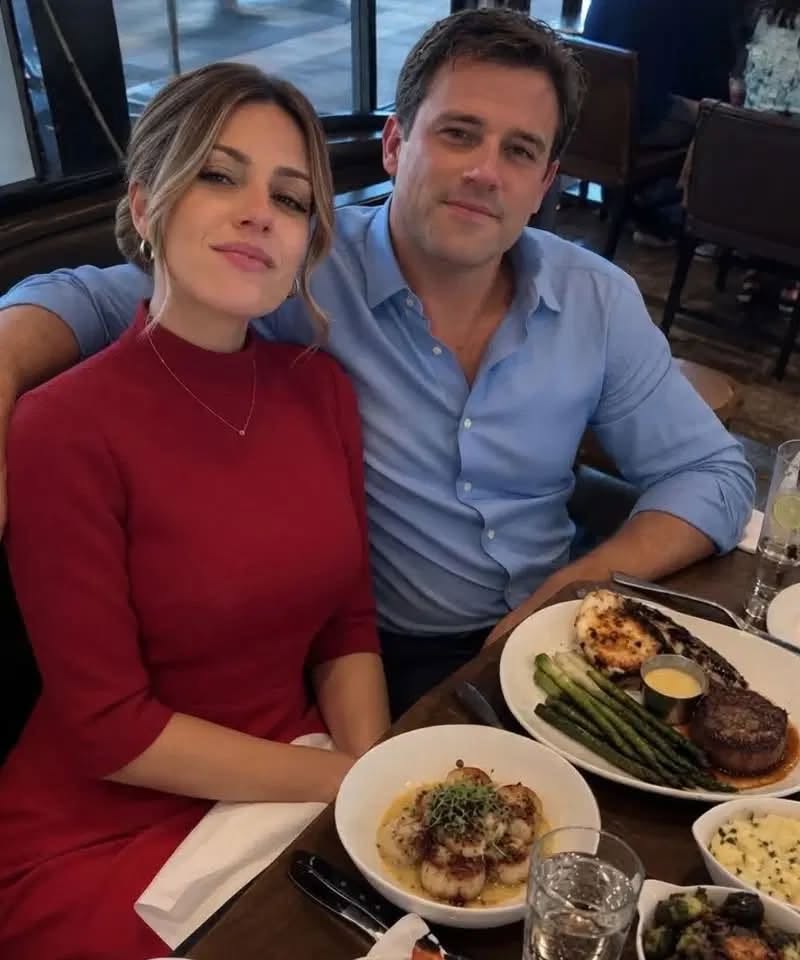
By the next morning, I would realize it was the luckiest $407.63 I had ever lost.
My name is Laura, and at the time I was a college student working evenings at Bellamy’s, an expensive restaurant near campus.
I wasn’t working there for spending money.
Every dollar mattered.
Four months earlier, my mother, Evelyn, had disappeared.
And when I say disappeared, I mean completely.
My mother wasn’t spontaneous.
She wasn’t the type of person who woke up one morning and decided she needed adventure.
Evelyn Mercer scheduled dentist appointments six months in advance.
She kept receipts in labeled folders.
She called me every Sunday at exactly eight.
If she was going somewhere unfamiliar, she’d print directions even though she owned a smartphone.
She even had designated kitchen towels.
So when she vanished without taking her purse, phone, medication, or most of her clothes, I knew something was terribly wrong.
There was no note.
No message.
No explanation.
I drove home immediately.
The police took a report.
They searched.
They interviewed people.
But Mom was an adult, and there was no obvious evidence that anyone had hurt her.
Days became weeks.
Weeks became months.
Every lead went nowhere.
We considered hiring a private investigator.
We couldn’t afford one.
So I made missing-person posters myself.
Hundreds of them.
I taped my mother’s face to supermarket windows, coffee-shop bulletin boards, bus stations, laundromats, restaurants and telephone poles.
I put them all over campus.
I kept extras in my backpack.
Sometimes I’d hand one to a stranger simply because they looked like someone who traveled a lot.
Every time my phone rang, my heart jumped.
Every time it wasn’t news about Mom, it sank again.
Four months passed like that.
Then came Friday night.
The couple arrived shortly after seven.
They were probably in their sixties.
The woman wore an elegant green dress.
Her husband had silver hair and a dark jacket that probably cost more than my monthly rent.
But they weren’t flashy.
Actually, they were unusually kind.
“Anniversary,” the woman told me when I asked whether they were celebrating anything.
“Thirty-eight years,” her husband added.
“Thirty-nine,” she corrected.
He smiled.
“See why I bring her everywhere? She remembers things.”
I laughed.
They seemed sweet.
But distracted.
The man kept checking his phone beneath the table.
Whenever he did, his wife stopped talking and watched his expression.
Still, they ordered a full anniversary dinner.
Oysters.
Filet mignon.
Lobster.
Cocktails.
And a bottle of Bordeaux from our locked wine cabinet.
Near the end of the meal, I offered dessert.
The man checked his phone again.
“No, thank you. Just the check.”
Their total was $407.63.
I placed the leather folder on the table.
“I’ll give you a few minutes.”
Then I walked away to deliver drinks.
I couldn’t have been gone longer than three minutes.
When I returned, table twelve was empty.
The leather folder was still there.
I opened it.
Nothing.
No cash.
No card.
No signed receipt.
At first, I assumed they’d stepped outside.
I checked the restrooms.
Nothing.
Then I hurried toward the entrance.
They were gone.
My stomach dropped.
I went straight to my manager.
“Jett.”
He barely looked up.
“What?”
“Table twelve left.”
“So?”
“They didn’t pay.”
That got his attention.
“You sure?”
“The check is still sitting there.”
“Maybe they stepped outside.”
“I checked.”
Jett sighed.
“You know the policy.”
I already knew what was coming.
“Walkouts come out of the server’s pocket.”
I stared at him.
“Jett, that’s over four hundred dollars.”
“Then you should’ve kept a closer eye on your table.”
“They seemed completely normal.”
“People who steal usually do.”
“Can we at least check the cameras?”
“During Friday dinner service?”
He shook his head.
“I don’t have time.”
“That’s almost everything I’ve made this week.”
He looked at me.
“Then consider it a lesson.”
A lesson.
I wanted to scream.
Instead, I returned to work.
At the end of my shift, I paid $407.63 for two strangers’ anniversary dinner.
My hands shook while I signed the paperwork.
I went into the employee bathroom afterward and cried.
Not just because of the money.
Because of everything.
Mom was still missing.
Bills were piling up.
School wasn’t getting easier.
And now I’d lost money I couldn’t afford to lose because two wealthy strangers had apparently decided their expensive dinner should become my problem.
I barely slept.
At eight the next morning, my phone rang.
Jett.
“Laura?”
“What?”
“Can you come in?”
“My shift isn’t until five.”
“I know.”
Something about his voice made me sit up.
“What happened?”
“The cleaners found something.”
Twenty minutes later, I walked into Bellamy’s wearing yesterday’s jeans.
Jett was standing beside table twelve.
He looked pale.
“What did they find?”
He held up a small clear plastic bag.
“This was wedged behind the booth.”
Then he said something I’d never expected to hear from him.
“I’m sorry.”
“For what?”
“I should’ve checked the cameras last night.”
He handed me the bag.
“And after seeing this, I think you’re going to want to know exactly what happened.”
Inside was a ring.
My entire body went cold.
Thin gold band.
Three tiny diamonds.
Pale blue center stone.
One slightly bent prong.
I knew every scratch on it.
I’d spent four months studying photographs of that ring.
It belonged to my mother.
She’d worn it almost every day for twenty-three years.
When Mom disappeared, her purse was still at home.
So was most of her jewelry.
But that ring was missing.
“Where did you get this?”
“The cleaners found it behind their booth.”
I looked at Jett.
“The couple?”
He nodded.
I couldn’t breathe.
The people who had walked out on a $400 restaurant bill had somehow possessed something my mother was wearing when she disappeared.
My imagination immediately went somewhere terrible.
“What did they do to her?”
“Laura, we don’t know that they did anything.”
“They had her ring.”
“I know.”
“Show me the cameras.”
We hurried into Jett’s office.
He pulled up the previous night’s footage.
We found table twelve.
At first, nothing unusual happened.
Then the woman opened her purse.
She searched inside.
When she withdrew her hand, something tiny caught against the purse clasp.
The ring.
It dropped onto the booth.
Rolled toward the wall.
Then disappeared into the narrow gap behind the seat.
Neither of them noticed.
I leaned closer to the monitor.
“That’s Mom’s ring.”
Then the husband’s phone lit up.
He answered.
Within seconds, his entire expression changed.
He went still.
Then he said something to his wife.
Her hand flew to her mouth.
They stood so quickly she knocked her chair sideways.
The man grabbed her purse and coat.
And they ran.
The bill remained untouched on the table.
I stared at the screen.
“They weren’t running from the check.”
“No,” Jett said.
“They forgot about it.”
That raised an even bigger question.
What could make two people abandon a $400 anniversary dinner without even remembering they hadn’t paid?
We found the valet who’d been working the previous night.
He remembered them immediately.
“They were panicking.”
“Did they say where they were going?”
He thought.
“The guy was on the phone while I brought their car.”
“What did he say?”
“I only heard part of it.”
He frowned.
“Something about a hospital.”
My heart started pounding.
“Exactly what?”
“I think he said, ‘Call the hospital. Tell them we’re coming.’”
Hospital.
I grabbed my bag.
Jett stood.
“I’m coming with you.”
“No.”
“Laura, those people had your missing mother’s ring.”
“Exactly.”
“You don’t know who they are.”
“For four months, I’ve waited for somebody else to find something.”
I slipped the ring into my pocket.
“I’m done waiting.”
The hospital was twelve minutes away.
I ran through the entrance and approached reception.
“I need to find my mother.”
The receptionist looked up.
“What’s her name?”
“Evelyn Mercer.”
She began typing.
I pulled one of Mom’s missing-person flyers from my bag.
“She disappeared four months ago.”
The receptionist stopped.
“I’m sorry, but I can’t provide confidential patient information.”
“Please.”
I placed the ring on the counter.
“She was wearing this when she disappeared.”
The receptionist looked at it.
“Last night, two people had this ring at the restaurant where I work. They received a call and rushed here.”
Her expression changed.
“What did they look like?”
I described them.
She typed again.
Then shook her head.
“There isn’t an Evelyn Mercer registered here.”
My heart collapsed.
“Please check again.”
“I did.”
Then she stopped.
Her fingers returned to the keyboard.
“Wait.”
I leaned closer.
“What?”
“There is an unidentified female patient.”
My heart started hammering.
“She was brought in several weeks ago. She was disoriented and unable to provide reliable identification. She’s currently under neurological care.”
I pushed Mom’s photograph toward her.
“Does she look like this?”
“I can’t confirm identity from here.”
She studied the photograph.
“But the approximate age and physical description are similar.”
“Where is she?”
The receptionist hesitated.
“She’s had some complications.”
“What kind?”
“She suffered a seizure yesterday.”
Yesterday.
The phone call.
The abandoned dinner.
“She’s stable now.”
“Can I see her?”
“She isn’t really supposed to have visitors beyond approved people.”
“I’m her daughter.”
The receptionist looked at me.
Then at the photograph.
Then she said something that terrified me.
“She already has two visitors.”
The couple.
Suddenly, every frightening possibility returned.
They’d had Mom’s ring.
They’d known where she was.
Now they were beside her hospital bed.
“You don’t understand.”
I lowered my voice.
“I don’t know these people. If that’s my mother, she’s been missing for four months.”
The receptionist glanced toward security.
“Please.”
My voice broke.
“If I’m wrong, I’ll leave. But if I’m right…”
I couldn’t finish.
She made a phone call.
A few minutes later, she printed a visitor badge.
“Third floor. Room 318.”
I grabbed it.
“Thank you.”
“Miss?”
I turned.
“Prepare yourself.”
My stomach tightened.
“She may not recognize you.”
The elevator seemed to take forever.
A nurse met me upstairs.
She walked me down the hallway.
Room 318.
Through the narrow window in the door, I saw the couple.
The woman was still wearing the green dress from the restaurant, only now it was wrinkled.
Her husband’s silver hair was messy.
They didn’t look wealthy anymore.
They looked exhausted.
I opened the door.
The woman turned.
Her eyes immediately fell to the ring in my hand.
“That ring.”
“Where did you get it?”
Her husband stood.
“Please. The patient needs quiet.”
“You had my mother’s ring.”
The woman stared at me.
“Your mother?”
Then I looked toward the bed.
Everything else disappeared.
“Mom?”
Evelyn was lying beneath a white blanket.
My organized, stubborn, impossible mother looked tiny.
Thin.
Pale.
An IV was taped to her hand.
For four months, I’d imagined finding her in hundreds of ways.
I’d imagined her calling.
Walking through our front door.
Being found in another city.
I’d imagined terrible things too.
But I’d never imagined this.
“Mom?”
Her eyes remained closed.
I grabbed the bedrail.
Then anger hit me.
I turned toward the couple.
“Who are you?”
Neither answered quickly enough.
“What did you do to her?”
The woman looked horrified.
“Nothing.”
“Then why did you have her ring?”
Her eyes filled.
“Because we found her.”
The woman’s name was Margaret.
Her husband was Thomas.
Several weeks earlier, they had been driving outside town when they noticed a woman walking barefoot beside the road.
My mother.
She was confused.
Frightened.
She couldn’t remember her address.
She couldn’t tell them her name.
She had no phone.
No purse.
No identification.
They pulled over.
Margaret approached her.
Mom apparently grabbed her hand and refused to let go.
They called an ambulance.
Then they followed it to the hospital.
“You followed her?”
Margaret nodded.
“She was terrified.”
“You didn’t know her.”
“No.”
“Then why stay?”
Margaret looked at Mom.
“Because she didn’t know anyone else.”
Doctors believed some kind of neurological event had severely affected Mom’s memory.
Because she’d been found outside the jurisdiction where her missing-person report had originated, the connection hadn’t been made.
She entered the hospital as an unidentified patient.
Then Thomas explained the ring.
Nurses removed it during an examination.
Mom had lost so much weight that it kept slipping from her finger.
Margaret volunteered to hold onto it.
“I didn’t want it to disappear.”
She looked embarrassed.
“I should’ve given it to hospital staff, but she became upset whenever anyone took her things.”
So Margaret put it in her purse.
And for weeks, Margaret and Thomas kept visiting.
They had no obligation to.
Mom was a stranger.
But they couldn’t bear the idea of an unidentified woman sitting alone in a hospital room while everyone waited for somebody to claim her.
The previous evening was their anniversary.
After weeks of hospital visits, they’d decided to go out for dinner.
That was why Thomas kept checking his phone.
They were waiting for updates about Mom.
Then the hospital called.
She’d had a seizure.
“We didn’t think about the check,” Thomas said.
“We didn’t think about anything.”
Margaret wiped her eyes.
“We just came.”
I stared at them.
“You’ve been visiting my mother for weeks?”
“Yes.”
“Why?”
Margaret gave me the simplest answer imaginable.
“Because somebody had to.”
Every ounce of anger disappeared.
“I’ve been looking for her.”
My voice cracked.
“For four months.”
Margaret started crying.
“We kept hoping somebody would.”
Then something moved beside me.
Mom’s fingers.
I turned.
Her eyelids slowly opened.
“Mom?”
Her gaze drifted around the room.
Confused.
Unfocused.
Then she saw me.
She stared.
For several seconds, there was nothing.
No recognition.
The receptionist’s warning came back to me.
She may not recognize you.
Then Mom’s forehead creased.
It looked as though she were searching through fog.
Her lips moved.
“Laura?”
I broke.
“Yes.”
I leaned over her.
“Yes, Mom.”
I was crying so hard I could barely see her.
“It’s me.”
Her hand slowly rose.
She touched my cheek.
“I knew…”
She stopped.
“What?”
“I knew you were somewhere.”
I held her hand.
“I’ve been looking everywhere.”
Mom closed her eyes briefly.
“I couldn’t remember.”
Her voice was barely audible.
“I couldn’t remember how to get back.”
I pulled the ring from my pocket.
“This belongs to you.”
Carefully, I slid it onto her finger.
It was too loose.
Mom curled her fingers around mine so it wouldn’t fall.
Then she looked at me.
“Take me home, Laura.”
I pressed my forehead against her hand.
“I will.”
Behind me, Margaret was crying.
Thomas put his arm around her.
And for the first time, I understood exactly what had happened.
These people hadn’t stolen my mother’s ring.
They hadn’t hurt her.
They had saved her.
They’d found a frightened woman barefoot beside a road.
They’d called for help.
They’d followed her to the hospital.
And when nobody knew who she was, they kept coming back so she wouldn’t be alone.
The couple I’d spent the night believing had stolen $407.63 from me had spent weeks caring for my mother without knowing her name.
And if they hadn’t forgotten their bill…
If Margaret hadn’t opened her purse…
If Mom’s ring hadn’t caught against that clasp…
If it hadn’t rolled behind table twelve…
If the cleaning crew hadn’t found it…
I don’t know how much longer it would’ve taken us to find each other.
Jett returned my $407.63 when I came back to Bellamy’s.
He apologized.
Really apologized.
Thomas insisted on paying the restaurant too, along with a tip so ridiculous I initially refused it.
Margaret and Thomas continued visiting Mom even after I found her.
By then, she knew them.
They were part of her story.
Part of ours.
Mom’s recovery wasn’t instant.
Memory doesn’t work like a light switch.
Some days she knew exactly where she was.
Other days she asked questions she’d already asked five minutes earlier.
But she knew me.
That was enough.
Months later, I took her back to Bellamy’s.
Margaret and Thomas joined us.
We requested table twelve.
Jett came over personally.
When the bill arrived, Thomas reached for it.
I grabbed it first.
“No.”
He laughed.
“Laura.”
“You already bought dinner here once.”
“Technically, you bought it.”
“Exactly.”
Margaret laughed.
Mom looked between us.
“What am I missing?”
“Long story,” I said.
She smiled.
“I’ve got time.”
Those words nearly made me cry again.
That first night, $407.63 felt enormous.
It represented groceries.
Electricity.
Tuition.
Hours spent carrying plates while worrying about a mother I couldn’t find.
I thought losing that money was proof that life had found one more way to punish me.
Instead, it became a trail.
A forgotten bill led to a dropped ring.
The ring led to security footage.
The footage led to a hospital.
And the hospital led me back to my mother.
I still have the receipt from table twelve.
It’s folded inside a box with one of my old missing-person flyers.
Sometimes I look at the total.
$407.63.
Once, it was an amount that made me cry because I couldn’t afford to lose it.
Now it reminds me that sometimes the thing that feels like your worst piece of luck is only the first clue leading you somewhere you desperately need to go.
That couple walked out without paying for dinner.
And somehow, their unpaid bill helped bring my mother home.
It was the luckiest $407.63 I ever lost.