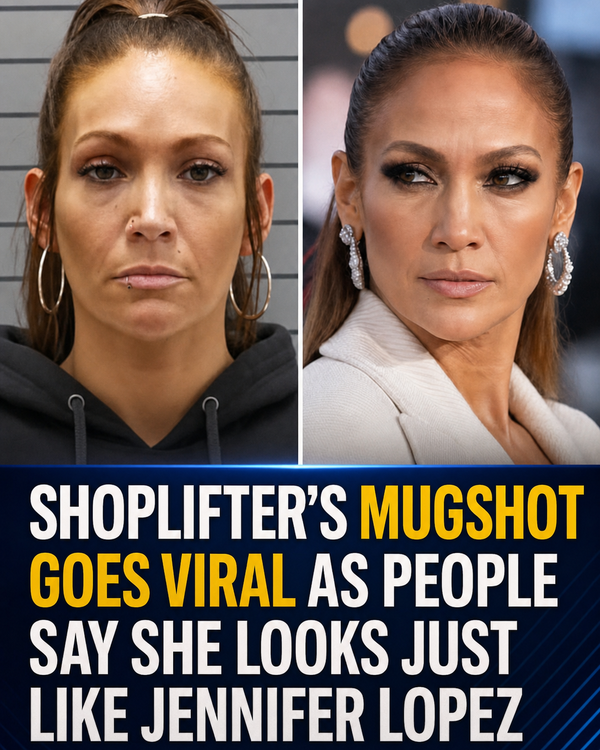
The reason wasn’t the crime itself, but the uncanny resemblance to Jennifer Lopez that viewers spotted in her mugshot. Once the image began circulating, comparisons to the pop superstar flooded social media, transforming an ordinary arrest photo into a global meme almost overnight.

A Routine Arrest in Monticello
On paper, it was an unremarkable case, the kind of low-level theft that rarely draws outside attention. Nothing about the alleged offense itself was unusual or newsworthy on its own.
The Internet’s Meme Machine
Commenters remixed Jennifer Lopez lyrics into jokes built around the mugshot, and some began calling the woman “Jenny from D-Block,” a play on Lopez’s own nickname. Others joked she should have pursued Hollywood stand-in work instead of facing theft allegations.
The humor spread quickly, treating her arrest photo as pure viral content rather than a record of an actual legal situation involving a real person.
The Human Story Behind the Laughs
Lost in the jokes was a more sobering detail: records indicate this was not her first encounter with police. Past arrests point toward patterns often associated with addiction and instability, suggesting a life shaped by ongoing hardship.
The viral spotlight never paused to consider those circumstances. It’s easy to laugh at a chance resemblance to a celebrity, far harder to acknowledge the struggle that may have led someone to that moment in the first place.
What’s certain is that, for a brief stretch online, her image became a punchline before it could be understood as anything else.