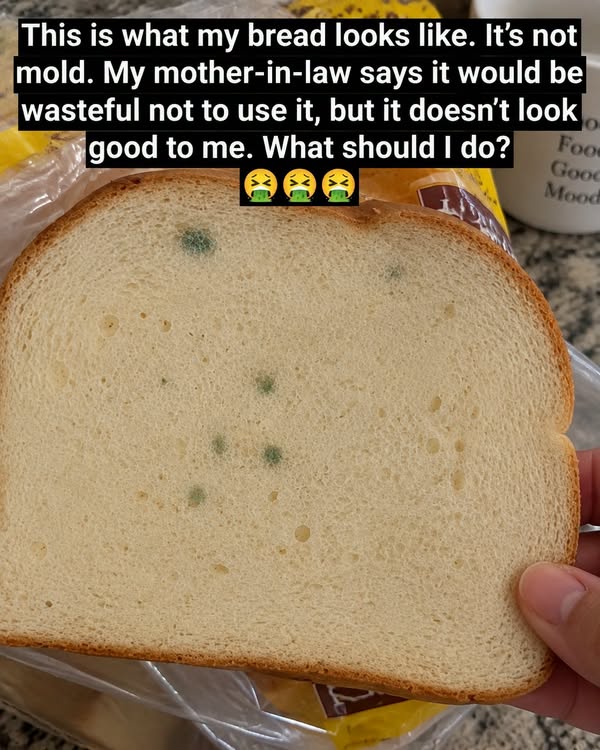
The answer isn’t as simple as cutting away a suspicious spot. Understanding what actually causes bread to change can help you decide when it’s still fine to eat and when it’s time to let it go.

Why Bread Goes Stale (It’s Not What You Think)
Bread doesn’t dry out so much as it transforms. As the starches inside the loaf reorganize themselves, soft slices gradually turn firm, chewy, or hard. This shift alone isn’t dangerous—it’s chemistry, not contamination, and it doesn’t mean the bread has spoiled.
Giving Stale Bread a Second Life
Stale but otherwise clean bread doesn’t have to be wasted. It can be toasted into golden croutons, blitzed into fresh breadcrumbs, or briefly warmed in the oven to soften it again. Treated the right way, yesterday’s loaf can become a useful ingredient instead of automatic trash.
When Mold Changes Everything
The real danger starts when mold appears. Fuzzy spots—whether green, white, or black—signal that the entire loaf is compromised, even if only one small area looks affected.
Because bread is porous, mold can spread invisibly through the interior long before it’s visible on the surface. That means cutting around the spot you can see does not make the rest of the loaf safe to eat.
The Simple Rule for Staying Safe
Your senses are a useful guide here. A musty or oddly sour smell is a warning sign that something has gone wrong, even if the bread still looks passable.
When there’s genuine doubt, the safest choice is to throw it out. Knowing the line between merely stale and truly spoiled lets you waste less bread overall, while still protecting the people you’re feeding.