It comes down to gravity. During the day, staying upright helps keep stomach contents where they belong, but lying down removes that advantage, which is why heartburn, chest discomfort, a sour taste, coughing, and throat irritation can feel more pronounced once the day’s routines give way to rest.
Understanding Acid Reflux and Nighttime Symptoms
Acid reflux happens when stomach contents move upward into the esophagus. While this can occur at any time, the effects are often more noticeable overnight, since the body’s usual upright defenses against reflux aren’t in play while sleeping.
How Sleep Position Affects Reflux
Sleeping position appears to influence how easily stomach contents can travel back into the esophagus. Some positions seem to make it harder for acid to move upward, while others may make reflux more likely in people who are already prone to it.
Why the Left Side May Be Better
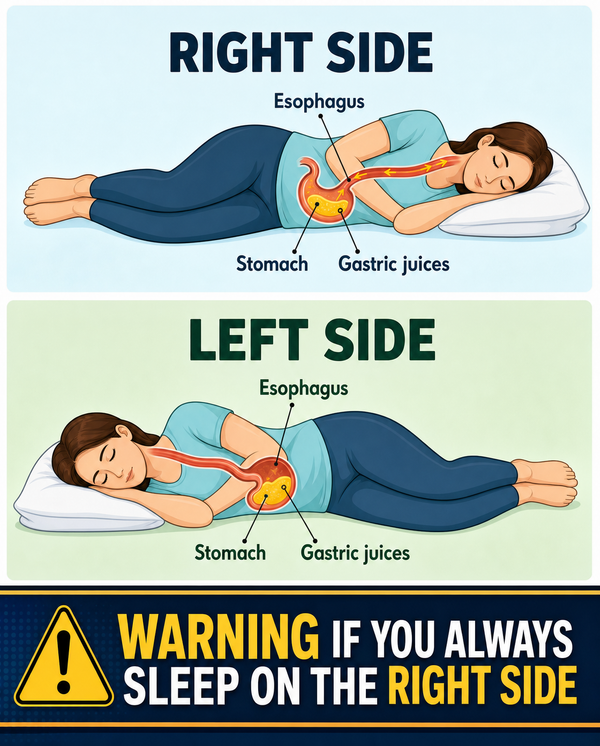
Sleeping on the left side may reduce reflux episodes compared with sleeping on the right. This is thought to relate to the stomach’s natural shape and its connection point with the esophagus.
When lying on the left side, the junction between the stomach and esophagus tends to stay above the stomach’s contents, making it harder for acid to travel upward. Lying on the right side can shift the stomach’s position, which may allow acid to reach the esophagus more easily in reflux-prone individuals.
When to Seek Further Help
Adjusting sleep position may be a simple, low-effort way for some people to ease nighttime heartburn and sleep more comfortably. It isn’t a fix for everyone, though.
Persistent or severe reflux shouldn’t be managed through sleep position alone. Ongoing symptoms may point to an underlying issue that calls for broader lifestyle changes or a proper medical evaluation.