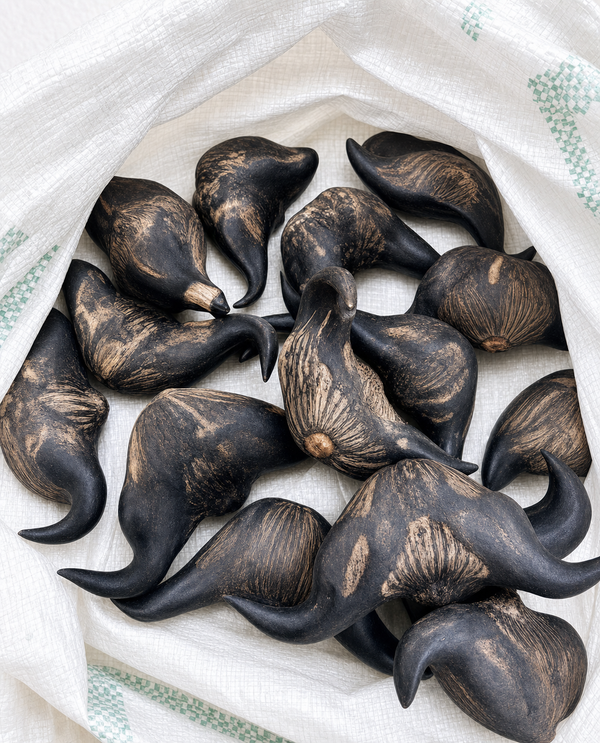
Despite the intimidating look, the answer turns out to be reassuring: these are a real and edible plant, though not one you should bite into straight from the bag. They’re known as water caltrops, and their nicknames alone hint at their unusual shape.

A Bag of Strange, Horned Fruit
The fruits are dark, angular, and studded with hard, horn-like points, which is why they’ve picked up names like devil’s nuts, bat nuts, and buffalo nuts. Underneath that tough exterior sits a pale, starchy kernel with a texture reminiscent of chestnut.
Meet the Water Caltrop
Water caltrops grow in ponds and lakes, and that watery habitat is central to understanding them. It also means they can share their environment with parasites and microorganisms, which is a key reason they aren’t treated as casual snack food straight from the water.
Why Raw Isn’t Safe
Eating water caltrops raw can lead to medical problems, so they need to be boiled or steamed before anyone eats them. Just as important, a photo alone can’t confirm whether a particular caltrop is safe to prepare and eat.
Safe consumption depends on knowing three things: the exact species, the specific water source it grew in, and the traditional method used to cook it. Without that context, a caltrop’s appearance alone tells you very little about whether it’s ready for the table.
How to Prepare Them Properly
Once properly identified and traditionally boiled or steamed, water caltrops lose their alarming edge entirely. Cracked open with care, the kernel inside becomes a mild, chestnut-like ingredient used in snacks, porridges, sweets, and savory dishes across generations of home cooking.
So that strange bag from a neighbor isn’t cursed or mysterious — it’s a reminder that some of the odder-looking things nature produces are perfectly good food, provided they’re identified correctly and cooked the right way before anyone takes a bite.