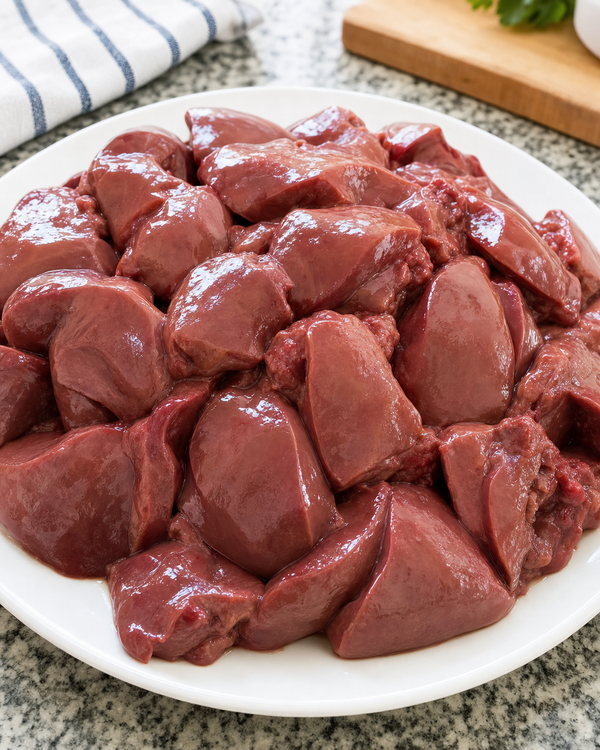
That risk doesn’t erase chicken liver’s value—doctors note it remains one of the most nutrient-dense foods available, delivering these compounds in amounts far higher than typical proteins. The real danger lies not in eating it, but in eating it as a daily habit, especially alongside vitamin A–containing supplements or cod liver oil, where the combined dose can climb quickly and, over time, quietly affect far more than a single meal.

Why Chicken Liver Is So Nutrient-Dense
Chicken liver ranks among the most concentrated sources of nutrition available in a single food. It delivers vitamin A, B12, iron, folate, copper, and protein in amounts far higher than most other everyday proteins.
That density is exactly why it deserves respect at the table. In modest portions, rotated with other protein sources and paired with vegetables and whole grains, it can genuinely support energy levels and blood health as part of a varied diet.
How Too Much Can Backfire
The trouble starts when large servings become a habit rather than an occasional addition. Preformed vitamin A from liver accumulates in the body over time, unlike some nutrients the body simply flushes out.
This becomes more concerning when liver is eaten alongside vitamin A–containing supplements or cod liver oil, since the combined intake can climb quickly. Repeated high intake may contribute to headaches, fatigue, skin changes, and liver strain.
Who’s Most at Risk
Pregnant women face particular risks, since excess vitamin A has been linked to concerns for fetal development. This makes portion awareness especially important during pregnancy.
Children are also more vulnerable to overexposure. Because their nutritional needs are smaller than an adult’s, the same serving size that might be reasonable for a grown adult can represent a much larger relative dose for a child.
Finding the Right Balance
None of this means liver needs to disappear from your diet entirely. The real issue is frequency and portion size, not the food itself.
Treating liver as an occasional, concentrated addition—rather than a daily staple—allows you to benefit from its nutrients without approaching excess. Anyone who is pregnant, managing a medical condition, or already taking supplements is advised to speak with a healthcare professional before making liver a regular part of their meals.
With a food this potent, moderation remains the simplest safeguard.