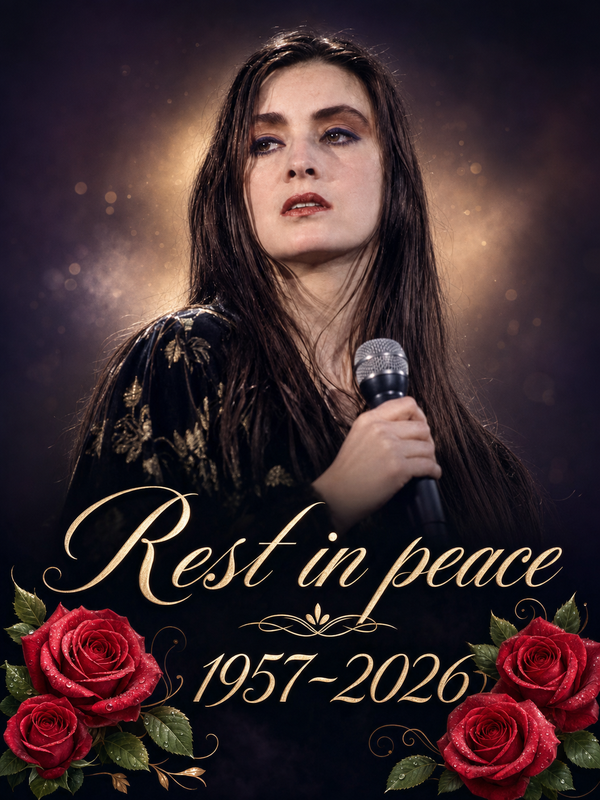
otherwise, taking her almost overnight. Word of her death spread quickly, leaving admirers across generations searching for words for a performer who had always seemed larger than life.

A Sudden Loss Shakes French Music
Tributes poured in almost immediately from fans, fellow musicians, and public figures. The French president was among those who expressed shock at how quickly she was taken. For many, Ringer had seemed permanent, a voice woven into the fabric of French culture.
From Family History to Musical Fire
Ringer was born in the shadow of profound history, the daughter of a Holocaust survivor. That inherited weight of memory shaped her artistry, and she later transformed pieces of that story into song, refusing to let darkness remain silent.
With Fred Chichin, she helped invent a sound French rock had never quite heard before, blending cabaret theatrics, punk urgency, and dreamlike melody. Together they created songs that functioned like scenes from a film only the two of them could have imagined, including “Marcia Baïla,” “C’est comme ça,” and “Andy.”
Love, Loss, and a Voice Reborn
When cancer took Fred Chichin in 2007, something in Ringer went quiet too. She stopped singing entirely, even privately, unable to find her voice inside the grief.
Eventually, she returned to music as a solo artist, never truly performing alone. Chichin’s memory traveled with her into every note. Beyond music, she remained an outspoken advocate for women’s rights, environmental causes, and personal freedom throughout her later career.
A Nation Mourns an Icon
As recently as this past February, Ringer performed in Paris, still burning with the same intensity that defined her decades-long career. Her death now leaves France in a quiet mourning, replaying her recordings and reckoning with what has been lost.
For a country that watched her turn inherited sorrow into art, and personal grief into rebirth, her passing feels like losing a piece of its own cultural heart.