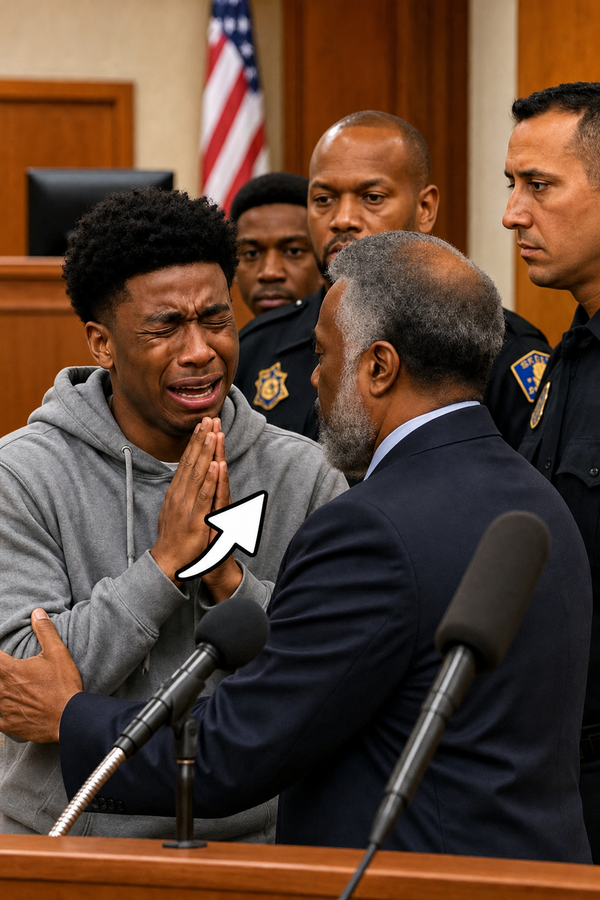
…anything resembling redemption. The case has since split public opinion, turning one teenager’s fate into a national argument about how far punishment should go, and whether some crimes erase any claim to a future.

A Number That Shook a Nation
The sentence itself became the story. Four hundred and fifty-two years is not a figure most people can meaningfully picture, and that, for many observers, was precisely the point. It read less like a calculated term of imprisonment and more like a symbolic verdict on the defendant’s worth as a person.
What has spread instead is the reaction to the number itself, a sentence so extreme that it forced a national conversation.
The Families Who Wanted Justice
For the families connected to the case, the sentence carried a different weight entirely. They had lost something permanent, and to them, an equally permanent punishment felt like the only response that matched the scale of their loss.
Supporters of the ruling have framed it as recognition rather than cruelty. In their eyes, a sentence this severe was not about vengeance so much as ensuring that the harm done to their lives would never be minimized or forgotten.
A Question of Redemption
Critics of the sentence have raised a different concern. A punishment measured in centuries, they argue, makes a permanent judgment about a person who was not yet an adult when the crime occurred.
Their objection is not necessarily that the crime was minor or that no punishment was warranted. It is whether any sentence should be constructed in a way that assumes, from the outset, that redemption is impossible.
Justice as an Endpoint or an Open Door
The disagreement points to a larger and unresolved question: how should a society treat young offenders who commit serious crimes? A sentence like this does not just confine a person; it makes a statement about whether that person can ever be more than what they did.
The case remains unresolved in the broader sense that matters most to the public. No consensus has emerged, and the debate it triggered continues, with the country still divided over whether justice, at this scale, is meant to close a door completely or leave it, however slightly, ajar.