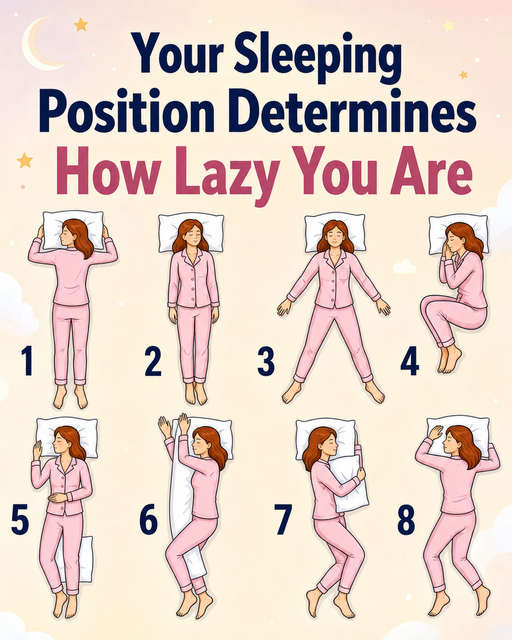
In truth, none of it holds up: there’s no scientific evidence linking sleep position to laziness, ambition, or kindness. Researchers say the way people sleep is shaped by comfort, body shape, health conditions, and personal habit rather than character, though these playful quizzes remain a fun way to reflect on how we rest and unwind.
What Your Sleep Position Might ‘Say’ About You
According to popular personality interpretations, back sleepers with their arms raised are seen as independent and open-minded, comfortable charting their own course. Those who lie flat on their backs with arms at their sides are often described as dependable, organized, and committed to finishing what they start.
Starfish sleepers, who spread across the whole bed, are typically painted as relaxed, generous, and easygoing. Meanwhile, people who curl into a ball are said to be thoughtful, cautious, and selective about where they put their energy.
From Starfish to Curled Up: Common Positions Explained
Relaxed side sleepers are frequently linked to balance, practicality, and efficiency, favoring smart solutions over unnecessary effort. Face-down pillow huggers are often framed as comfort seekers who enjoy peaceful surroundings but may need a little extra motivation before tackling tough tasks.
Side sleepers who hold onto a pillow are commonly described as warm and caring, happiest when they feel supported by the people close to them. Half-turn sleepers, resting between back and side positions, are said to be flexible and adaptable, striking a healthy balance between work and downtime.
These labels have stuck around because they’re relatable and fun to swap with friends, not because they’re backed by data. They shouldn’t be mistaken for genuine measures of personality or behavior.
What Science Actually Says
Research points to a much simpler explanation for how people sleep: physical comfort, health conditions, age, and personal habits shape sleep position far more than character does. Laziness, ambition, and kindness don’t factor into whether someone sleeps on their stomach or their back.
Body shape and existing health issues can also nudge someone toward one position over another, making sleep posture more practical than psychological.
Why Quality Sleep Matters More Than Position
Whether you sleep like a starfish, curl into a ball, or hug a pillow through the night, the position itself isn’t the real story. What matters most is getting enough restful, high-quality sleep to support overall health and well-being.
So feel free to enjoy comparing sleep styles with friends and family, just don’t take the results too seriously. Comfort, not character, decides how you end up lying in bed each night.