Instead, the page is built almost entirely from sponsored advertisements and clickbait-style prompts, offering no actual discussion of castor leaves, their uses, or any safety guidance.
What This Page Actually Contains
The source material is a mix of paid listings and search-style prompts designed to attract clicks rather than inform. Many entries push unrelated products, including car insurance quotes, CRM software trials, and employer-of-record services.
Other sections advertise financial products such as savings accounts, loans, and investment opportunities aimed at users looking to grow or manage money. Additional listings promote SUVs and lawn equipment, all written in persuasive marketing language.
How Sponsored Content and Clickbait Operate
Most of these entries are labeled “Sponsored,” meaning advertisers paid for placement rather than earning it through relevance or accuracy. They are formatted to resemble genuine search results, but their purpose is promotion, not neutral reporting.
The page also includes headlines built around curiosity or shock value, such as unexpected celebrity stories or dramatic personal anecdotes. This style, commonly known as clickbait, is meant to drive engagement rather than deliver reliable information.
Why Health Claims Need Verification
Among the mixed content are health-related promotions that lean on bold claims about quick fixes or hidden remedies. These types of ads often exaggerate benefits or imply simple solutions to complex health concerns.
Because of this, readers are encouraged to verify any health claim through trusted medical sources before acting on it. The page itself offers no verified information about castor leaves’ healing properties or safety considerations, despite what its title implies.
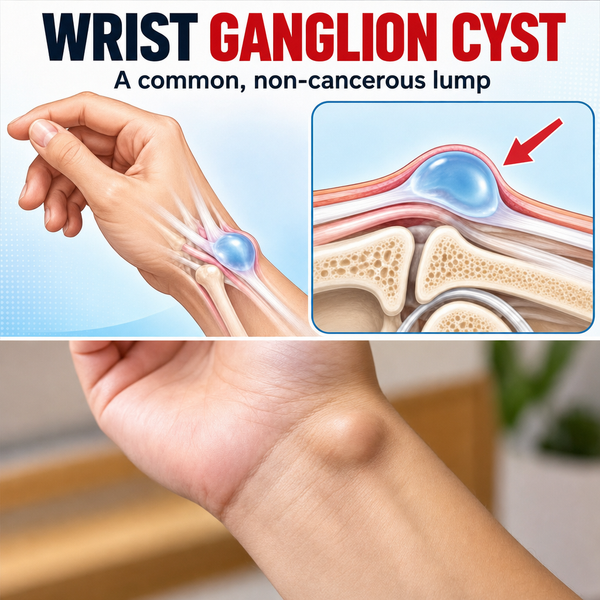
As for the Facebook caption suggesting a lump could appear from an everyday activity, the source material does not explain, support, or expand on that claim in any way. No further detail is available.
At this stage, the underlying article remains what it appears to be: a page of advertising and attention-driving prompts rather than a substantive health resource. Anyone seeking real guidance on castor leaves or unexplained lumps should consult established medical sources directly.