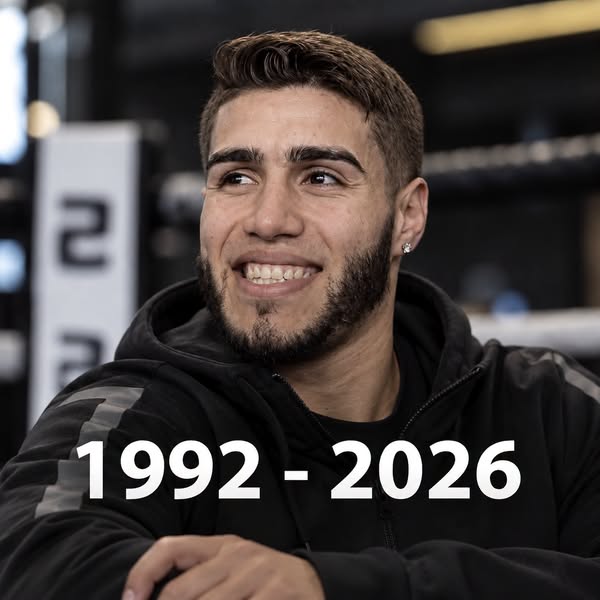
It reached far enough, in fact, that the promising career built on that unbeaten record never truly resumed. Prichard Colón, the fighter at the center of that night, has died at 33, closing a chapter that began with a single bout and ultimately reshaped how his sport approaches brain safety.

An Undefeated Prospect on the Rise
Colón entered October 2015 as a 16-0 super welterweight, a Puerto Rican prospect regarded as one of the division’s more promising young talents. His record and his poise inside the ropes had made him a fighter many expected to climb toward bigger stages in the years ahead.
His opponent that night was Terrel Williams, a rough and unorthodox fighter willing to press every limit the rules allowed. The bout was framed as a step up in competition, a test meant to gauge whether Colón was ready for the sport’s next level.
The Night Everything Changed
From early in the fight, Colón absorbed a pattern of illegal rabbit punches to the back of the head, blows the rules are meant to stop before real harm accumulates. The warnings that followed carried little force, and enforcement in the ring stayed soft even as the fouls continued.
Colón kept fighting, disoriented but unwilling to quit, trusting that officials would bring the pattern under control. By the final bell, the damage done was already irreversible, though it would not be fully understood until after he left the ring.
He collapsed in the dressing room shortly afterward. Doctors soon confirmed a massive brain bleed, the culmination of trauma that had built silently while the fight continued in front of a crowd unaware of what was happening beneath the surface.
221 Days in the Dark
What followed was a coma lasting 221 days, an agonizing stretch during which there was no way to know whether Colón would wake at all. Each day that passed without change added to the uncertainty surrounding his condition.
When he eventually regained consciousness, the fighter who emerged bore little resemblance to the one who had entered the ring seven months earlier. The strength, coordination, and independence he had built over sixteen straight wins were gone.
He remained severely disabled in the years that followed, unable to reclaim the life or the career he had been building toward before that October night. The damage proved permanent, reshaping the decade that followed it.
A Legacy Written in Reform
Colón’s case proved difficult for the sport to look past. The severity of his injuries, combined with clear failures in officiating that allowed illegal blows to go unchecked, pushed the World Boxing Council to reexamine how it protects fighters in the ring.
Concussion procedures and enforcement standards saw meaningful revision in the years that followed, changes intended to prevent another fighter from enduring what he had. The reform came only after the harm had already been done.
Prichard Colón has died at the age of 33, closing out a battle that stretched across nearly a decade. He never fought again after that night in Virginia, and he never fully returned to the life he had before it.
His story remains a lasting marker of how slowly boxing has moved to safeguard the fighters who give the sport everything they have.