That promise does not hold up. Following the link leads not to an obituary or a news story but to a dead page on an unfamiliar site, one that offers no name, no date, and no confirmation of anything resembling the claim made in the original post.
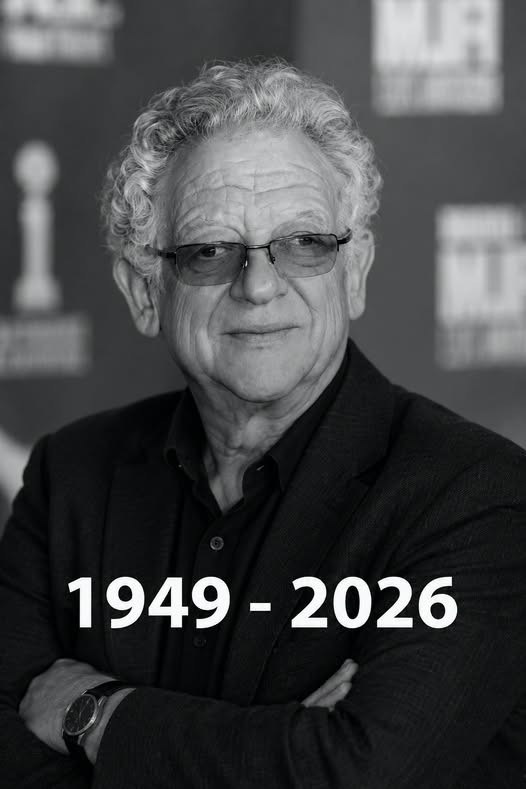
A Viral Claim Spreads Online
The Facebook caption is built for speed, not clarity. Emotional language like “Everyone Adored” paired with a broken-heart emoji is the kind of phrasing designed to spark concern before a single verified fact is presented.
Because no celebrity is named, readers are left to guess who might be involved. That uncertainty tends to accelerate sharing rather than slow it down, as people pass the post along hoping someone else can confirm or deny it.
The post’s design relies on that gap between suggestion and confirmation. A vague but emotionally charged headline invites people to fill in the blank with whichever beloved actor or performer comes to mind first, multiplying concern without adding any real information.
What the Actual Source Page Shows
The link attached to the post points to a page on a site called Teknolojibura. Instead of an article, the page returns a plain 404 error, stating that nothing was found at that address.
There is no headline naming a public figure, no description of a cause of death, and no timeline of events anywhere on the page. The only content visible is a standard error notice inviting visitors to search the site or browse other posts instead.
In practical terms, this means the article that supposedly explains the Facebook claim simply does not exist at the address provided. Whatever content may have once lived there, if anything did, is no longer accessible to confirm or deny the story being shared.
A Pattern of Similar Unverified Posts
Below the error message, the page lists several “Recent Posts” that suggest this is not an isolated case. One references Céline Dion appearing emotional during a return to full concerts after six years away, though no additional detail follows.
Another teases “Sad News in California” tied to Clint Eastwood, cutting off with a “See More” prompt rather than any actual account. A separate entry states only that “People Were Enraged When They Discovered What Was Wrong,” without explaining what that discovery involved.
A fourth post claims fans have rallied around musician Keith Urban after he reportedly asked for prayers, again offering no context or sourcing. Each of these entries follows the same shape: a dramatic, unfinished headline paired with a vague promise of more information that never actually appears.
Taken together, these listings paint a picture of a site built around teaser phrasing rather than finished reporting. None of the linked posts, including the one tied to this particular Facebook share, resolve into an actual named story with dates or sourcing attached.
Why Verification Matters Before Sharing
None of the posts on that page, including the one connected to the original Facebook caption, contain a confirmed name, date, or verifiable detail tied to a real event. That absence of basic information is a common feature of content designed to generate clicks rather than convey news.
At this time, there is no legitimate news coverage that can be tied to the specific claim shared in the Facebook post. No entertainment outlet, wire service, or representative for any public figure has issued a statement matching the description of a widely loved Hollywood personality dying.
Anyone who saw the original share and felt concerned is left without real answers, since the page meant to explain the claim contains no explanation at all. It confirms only that the linked material does not exist, leaving the original caption standing entirely on its own.
Readers who come across posts like this one are often better served by checking established entertainment or wire-service coverage before sharing further, since a missing or broken link is rarely a sign that a story has simply been removed by accident.
As it stands, the claim remains unconfirmed. No name has surfaced, no cause has been reported, and no credible outlet has corroborated the suggestion that a beloved actor or entertainer has died. Until verified reporting emerges, the responsible approach is to treat the post as unresolved rather than factual, and to rely on established news sources rather than a single caption and a broken link.