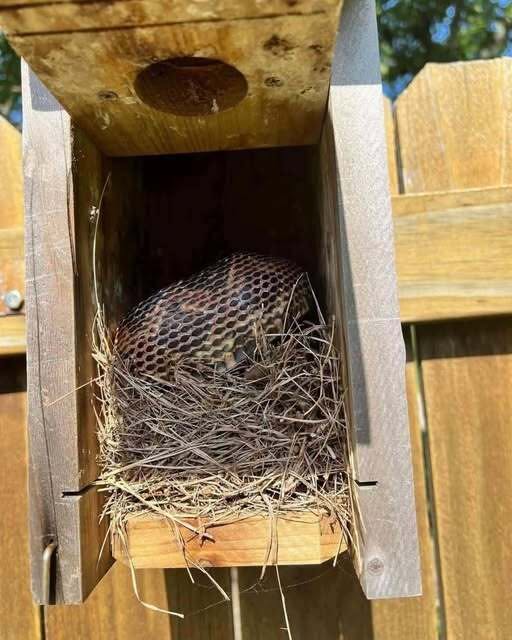
The most effective approach to managing snake presence involves modifying the environment to reduce the resources that attract them in the first place. One of the primary steps is to maintain a tidy landscape. Snakes prefer areas where they can move undetected, so keeping grass and vegetation closely trimmed around high-traffic zones—such as patios, walkways, children’s play areas, and the immediate foundation of your home—is essential. You do not need to remove all your landscaping; rather, the goal is to create clear, open sightlines that make the environment less comfortable for a creature that relies on cover for protection.
Beyond landscaping, you must address the structural elements of your yard that provide sanctuary. Piles of wood, stacks of rocks, loose boards, and collections of fallen branches are essentially luxury housing for snakes. These materials not only offer direct shelter but also attract the very prey items that snakes hunt, including rodents, frogs, and various insects. If you must store firewood, keep it elevated off the ground and positioned as far from the house as possible. By removing these debris piles, you eliminate the dark, damp crevices where snakes feel safest.
Controlling the local food chain is perhaps the most critical component of a long-term deterrent strategy. Snakes are opportunistic predators, and they will frequent areas where their prey is abundant. Rodents, in particular, are a major draw. To discourage them, store all human and pet food in secure, airtight containers. Ensure your garbage bins are tightly sealed and manage your compost piles carefully to prevent them from becoming a buffet for mice or rats. If you enjoy birdwatching, be diligent about cleaning up spilled birdseed regularly, as this is a notorious attractant for small mammals that subsequently draw in predators.
Water is another vital resource that snakes seek out, especially during warmer months. Eliminate unnecessary standing water by emptying birdbaths that are not in use, clearing clogged gutters, fixing leaking outdoor faucets, and ensuring that your yard has proper drainage. By removing these water sources, you reduce the likelihood of attracting frogs and other amphibians, which are a primary food source for many common snake species. A dry, well-drained yard is naturally less hospitable to the wildlife that snakes depend on for survival.
Structural integrity also plays a significant role in keeping snakes away from your living space. Inspect your home for any gaps, cracks, or holes around doors, garage thresholds, vents, and foundation walls. Use appropriate sealants or hardware cloth to close these entry points. Furthermore, ensure that your garage and shed remain organized. Avoid storing items directly on the floor where they might provide a dark, hidden space for a snake to rest. Keeping these structures tidy and ensuring that doors are kept closed when not in use will significantly reduce the chances of an unwanted visitor finding its way inside.
It is important to address the common misconception regarding chemical snake repellents. Many homeowners are tempted to purchase commercial products that claim to keep snakes away, but these are generally ineffective and often unnecessary. Not only do these substances fail to provide a consistent barrier, but they can also pose risks to your children, household pets, and the local ecosystem. Relying on chemical solutions is a poor substitute for the physical modifications described above, which address the root causes of why a snake might be drawn to your yard in the first place.
Finally, if you do encounter a snake on your property, the best course of action is to remain calm and maintain a respectful distance. Never attempt to handle, provoke, or kill the animal. Most snakes are beneficial to the environment, as they help control pest populations that would otherwise cause more significant damage to your garden or home. By giving the snake space to move along on its own, you ensure your safety while allowing nature to take its course. A proactive, humane approach to yard management is the most effective way to enjoy your outdoor space with peace of mind. By systematically removing attractants and maintaining a clean, open property, you create a natural barrier that discourages snakes from making your residence their home, ensuring a safer environment for your entire family.