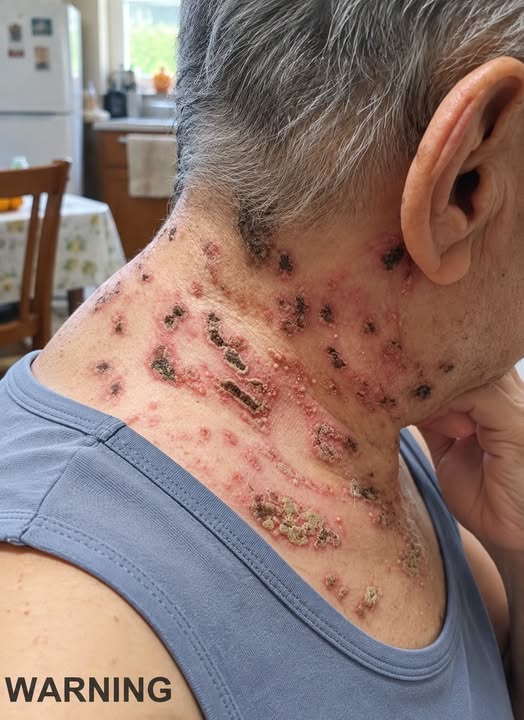
a more painful and prolonged recovery process. The condition is fundamentally the reactivation of the varicella-zoster virus, the same pathogen responsible for chickenpox in childhood. After the initial infection clears, the virus does not leave the body; instead, it retreats into the nervous system, where it remains inactive for years or even decades. When the immune system is stressed or naturally declines with age, the virus can emerge from its latency, traveling along nerve pathways to manifest as a distinct, localized reaction.
The hallmark of this reactivation is often nerve pain that precedes the visible skin changes by several days. Patients frequently describe this sensation as tingling, itching, burning, or an extreme sensitivity to touch within a specific band of skin. Because this pain follows the path of a single nerve, it is usually confined to one side of the body or face, creating a clear, asymmetrical pattern that distinguishes it from other common skin ailments. Recognizing this unilateral distribution is critical for early identification.
Once the virus reaches the skin, the characteristic rash typically appears. This eruption begins as red patches that quickly develop into fluid-filled blisters. While the rash itself is often painful, the underlying nerve irritation is what makes shingles particularly challenging. The blisters usually scab over within a week or two, but the discomfort associated with the affected nerves can persist much longer. During this phase, the skin remains highly sensitive, and even the lightest contact can be distressing for the individual.
Seeking prompt medical attention is the most important step once these symptoms are identified. A healthcare professional can evaluate the rash and the accompanying pain to provide an accurate diagnosis. If shingles is identified early, typically within the first few days of the rash appearing, doctors may prescribe antiviral medications. These treatments are designed to inhibit the replication of the virus, which can significantly reduce the overall severity of the outbreak and shorten the duration of the symptoms. While these medications do not cure the virus, they are essential tools for managing the intensity of the episode.
Beyond the immediate symptoms, there is a risk of long-term complications, most notably postherpetic neuralgia. This condition involves persistent, sometimes debilitating nerve pain that continues long after the skin rash has fully healed. The risk of developing such complications underscores the importance of early intervention. By addressing the viral reactivation quickly, patients may lower the likelihood of these lingering nerve issues, allowing for a more comfortable and efficient recovery period. It is a reminder that timely medical care is not merely about comfort, but about preventing lasting harm.
Prevention remains the most effective strategy for managing the impact of this virus. Vaccination is a highly recommended approach for those eligible, as it significantly lowers the risk of developing shingles and its associated complications. By stimulating the immune system to recognize and defend against the virus, the vaccine provides a proactive layer of protection. For many, this is the most reliable way to avoid the disruption that shingles can cause to daily life, work, and general well-being, especially as the immune system becomes less robust over time.
The process of viral reactivation is a complex biological event, yet understanding its progression empowers individuals to take control of their health. When the virus travels down the nerve fiber, it causes inflammation that manifests as the characteristic shingles pain. This is why the discomfort is often localized to the specific dermatome—the area of skin supplied by a single spinal nerve. Because the virus is traveling along a specific nerve route, the pain and rash do not cross the midline of the body, a key diagnostic observation for clinicians.
Ultimately, navigating a shingles diagnosis requires a balance of vigilance and informed action. It is not necessary to view every minor ache with alarm, but it is vital to pay attention when the body presents specific, localized patterns of pain or sensitivity. Understanding that these symptoms are linked to a known viral process allows individuals to act decisively. When you recognize the signs of a nerve-based skin reaction, consulting a medical professional ensures you have access to the best available treatments. By combining early medical intervention with preventative measures like vaccination, individuals can manage their health effectively, minimizing the physical and emotional toll that this condition might otherwise exact. Evidence supports that proactive management is the most effective path toward maintaining long-term health and mitigating the risks associated with the reactivation of the varicella-zoster virus.