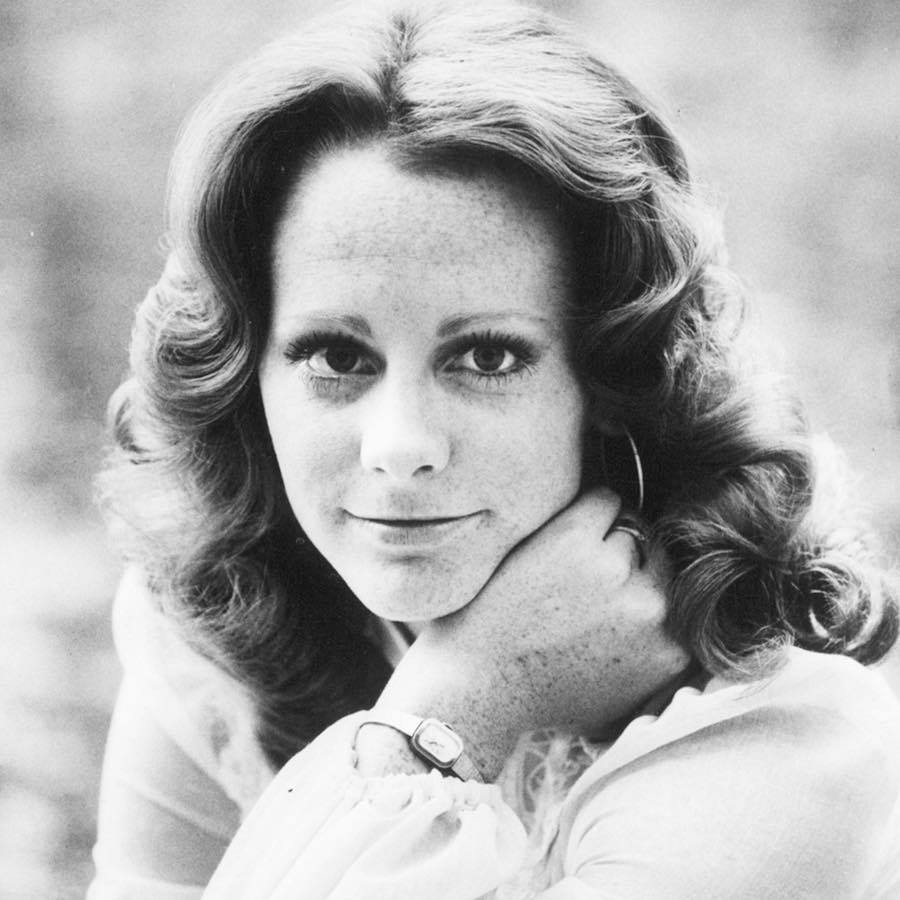
But behind the awards, hit records, television success, and glamorous performances is a story built on hard work, family, devastating loss, and a childhood that looked very different from the life she eventually created.
Reba Nell McEntire was born on March 28, 1955, in McAlester, Oklahoma, and grew up on her family’s sprawling 8,000-acre cattle ranch near Chockie. Long before anyone called her the Queen of Country, she was simply one of four McEntire children expected to work and contribute.
Ranch life wasn’t glamorous.
There were cattle to feed, chores to finish, horses to ride, and long days where everyone had a responsibility.
Reba grew up surrounded by rodeo culture.
Her grandfather, John Wesley McEntire, became a world champion steer roper in 1934. Her father, Clark McEntire, followed that tradition and won world championships himself in 1957, 1958, and 1961. Reba later competed in barrel racing from childhood into her early twenties.
Her father was tough, disciplined, and old-fashioned.
Affection wasn’t necessarily expressed through hugs or constant praise.
Instead, Clark taught his children determination, independence, and the expectation that a job should be done correctly.
Years later, Reba would acknowledge how much of her own relentless drive came from him.
But if her father helped shape her toughness, it was her mother who helped unlock her voice.
Jacqueline McEntire had musical dreams of her own.
Rather than pursuing a professional country career, she became a teacher and raised her family. But music remained part of everyday life.
During long drives to rodeos, Jacqueline taught Reba and her siblings how to harmonize.
Those trips became an informal music education.
Reba would later credit her mother as one of the greatest influences on her singing.
It didn’t take long for people outside the family to notice her talent.
Even as a child, Reba loved performing.
Eventually, she joined her brother Pake and sister Susie to form the Singing McEntires.
The siblings performed at rodeos, school functions, dances, and other events around Oklahoma.
In 1971, they even recorded a regional single titled “The Ballad of John McEntire,” honoring their grandfather.
But music wasn’t Reba’s only interest.
She played sports, participated in rodeo events, learned guitar and piano, and continued working around the ranch.
After graduating from Kiowa High School, she attended Southeastern Oklahoma State University, where she studied elementary education with music as part of her studies.
At that stage, becoming an international country superstar was hardly guaranteed.
Then came the performance that changed everything.
In 1974, Reba sang “The Star-Spangled Banner” at the National Finals Rodeo in Oklahoma City.
Among the people listening was country performer Red Steagall.
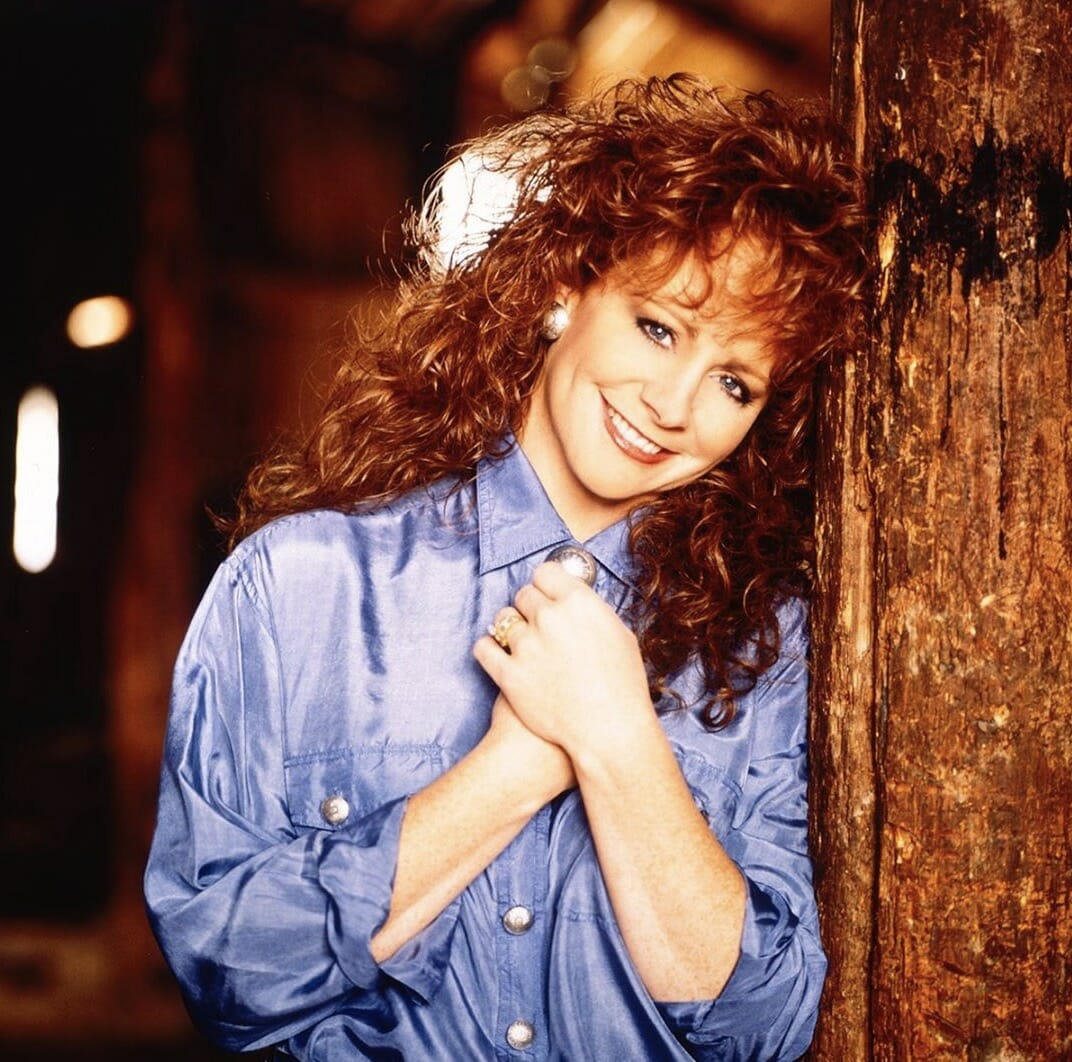
He heard something in her voice.
Something different.
Steagall helped Reba make connections in Nashville, and in 1975 she signed with Mercury Records after recording a demo.
Suddenly, the girl from an Oklahoma cattle ranch had a record contract.
But superstardom didn’t arrive overnight.
Reba’s earliest releases produced only modest results.
She spent years trying to find her sound and her place in an industry filled with talented performers competing for attention.
There were disappointing singles.
There were songs that barely moved on the charts.
There were moments when another artist might have decided the dream simply wasn’t happening.
Reba kept going.
By the late 1970s and early 1980s, her career began gathering momentum.
Then came the period that transformed her completely.
She moved toward a more traditional country sound and increasingly fought for greater control over the music she recorded.
By the mid-1980s, Reba McEntire was no longer simply another singer trying to establish herself.
She was becoming one of country music’s defining voices.
Her performance of “Whoever’s in New England” earned her a Grammy for Female Country Vocal Performance at the 1987 Grammy Awards.
More hits followed.
So did awards.
Her emotional delivery, storytelling ability, and unmistakable voice connected with listeners who heard pieces of their own lives in her music.
But just as Reba reached extraordinary professional heights, she endured one of the darkest moments of her life.
On March 16, 1991, a plane carrying members of her touring organization crashed near San Diego.
Eight members of Reba’s band and two pilots were killed.
Reba was not aboard the aircraft.
The loss devastated her.
People she had traveled with, performed with, laughed with, and depended upon were suddenly gone.
The tragedy became inseparable from one of the most emotional periods of her career.
Her subsequent album, “For My Broken Heart,” reflected the grief surrounding that chapter of her life.
It would have been understandable if such a tragedy had made Reba retreat completely.
Instead, she continued.
Her career expanded beyond music.
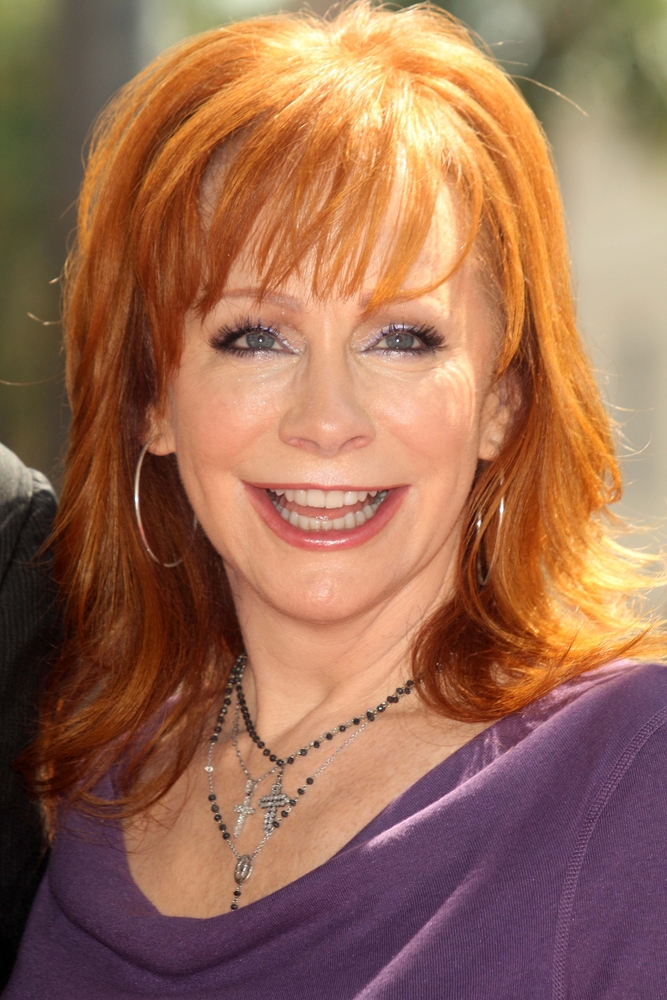
She moved successfully into acting, eventually becoming the star of the sitcom “Reba,” which introduced her to audiences who might not even have known her first as a country singer.
She appeared in films and television projects and built something rare: a career in which her personality became almost as recognizable as her music.
Yet some of Reba’s hardest moments had nothing to do with the entertainment business.
Her father, Clark, died in 2014 after suffering health problems following a stroke.
The loss affected her deeply.
Years later, another devastating goodbye forced Reba to question whether she still wanted to sing at all.
Her mother, Jacqueline, died in March 2020.
For Reba, the loss struck at the very foundation of why music had mattered so much.
Her mother wasn’t simply a parent who supported her career.
Jacqueline was the woman who taught those children to harmonize in the car.
She was the one who corrected them when they sang the wrong part.
She encouraged Reba’s gift before Nashville producers, record executives, awards shows, or millions of fans ever knew her name.
After her mother’s death, Reba revealed that she seriously wondered whether she wanted to continue performing.
For a moment, music felt inseparable from the woman who had inspired it.
But gradually, the desire returned.
And Reba continued singing.
Perhaps that is one reason her story resonates so deeply.
Her career has never been a straight line from humble beginnings to fame.
It has been filled with ambition and disappointment, extraordinary success and unimaginable grief.
And through it all, Oklahoma has remained central to who she is.
In January 2023, Reba’s Place officially opened in Atoka, Oklahoma, through a partnership involving Reba, the Choctaw Nation of Oklahoma, and the local community.
The venue combines a restaurant, live entertainment, retail space, memorabilia, and pieces of Reba’s own history. It was created not merely as another celebrity business venture, but as something closely tied to the region where she grew up.
Then, in February 2024, another extraordinary moment brought Reba’s journey almost perfectly full circle.
Fifty years after singing the national anthem at the National Finals Rodeo helped launch her career, Reba stepped onto one of the biggest stages in American entertainment.
She performed “The Star-Spangled Banner” before Super Bowl LVIII at Allegiant Stadium in Las Vegas.
Think about that journey.
In 1974, she was a young Oklahoma woman singing at a rodeo while wondering where music might take her.
Half a century later, millions watched her sing the same national anthem before the Super Bowl.
The road between those two performances contained almost everything imaginable.
Ranch work.
Rodeos.
Nashville rejection.
Hit records.
Grammys.
Television success.
Family losses.
A horrifying plane crash.
Reinvention.
Heartbreak.
And survival.
Today, Reba is firmly established as one of the most important women in country music history.
The Country Music Hall of Fame inducted her in 2011, describing her as one of the most successful female country performers of her generation.
Yet numbers and trophies tell only part of the story.
What makes Reba McEntire’s career remarkable is how recognizable the girl from Oklahoma still seems beneath the fame.
The work ethic remains.
So does the humor.
So does the attachment to family, home, and the culture that shaped her.
Reba’s life also proves that resilience doesn’t mean tragedy leaves you untouched.
She has spoken openly about grief.
She has questioned her future.
She has lost people she loved deeply.
And she has kept moving forward anyway.
Perhaps that’s why people who discovered her decades ago are still listening, while younger generations continue discovering her today.
Reba McEntire didn’t simply build a successful country career.
She built one that survived changing musical trends, changing audiences, personal tragedy, and the passing of time.
From an 8,000-acre Oklahoma ranch to Nashville, television screens, sold-out stages, and eventually the Super Bowl, hers is a story of talent reinforced by something equally important:
Persistence.
At 71, Reba has already given country music more than half a century of unforgettable moments.
And somehow, after everything she’s endured and accomplished, she still carries herself like the Oklahoma ranch girl who learned early that when there is work to be done, you get up and do it.
That may be the most Reba McEntire thing of all.