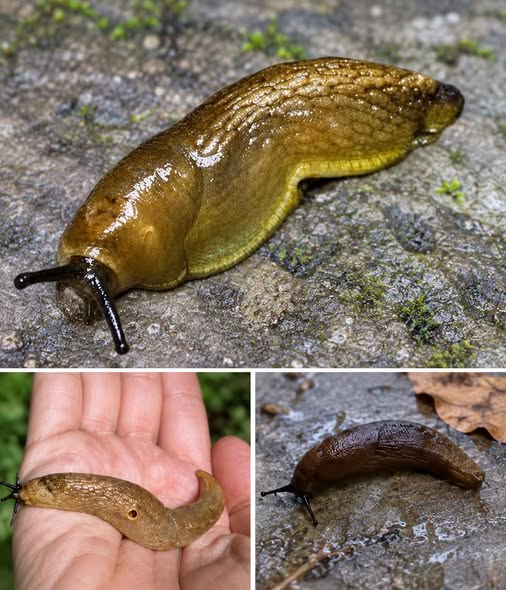
These creatures are essentially opportunistic travelers that navigate toward environments offering the specific humidity levels they need to survive. Because slugs lack a protective shell, they are highly susceptible to dehydration. Consequently, they are constantly searching for micro-climates that provide shelter from the drying effects of the sun and wind. When your home offers a path into a basement, crawl space, or ground-level room, it becomes an ideal sanctuary. Their presence serves as a diagnostic tool for homeowners, signaling that there is likely an area of excess moisture, poor drainage, or a breach in the building envelope that has quietly developed over time. By viewing the slug not merely as a pest but as a biological sensor, you can begin to identify the specific environmental conditions that are inviting them inside.
To effectively manage this issue, you must begin by conducting a systematic inspection of your home’s perimeter. The most common entry points for slugs include gaps beneath exterior doors, small cracks in the foundation, and the spaces around plumbing penetrations where pipes enter the structure. These mollusks are remarkably adept at flattening their bodies to squeeze through openings that seem far too narrow for them to navigate. If you find a slug, do not simply remove it; instead, take the time to trace its silvery trail back to its point of origin. This residue acts as a map, revealing the exact path the creature took to enter your home. Following this trail often leads directly to a compromised seal or a hidden gap that requires immediate maintenance.
Once you have identified the entry points, your next priority should be to address the external conditions that draw these pests toward your walls. Slugs are frequently attracted to dense vegetation, thick mulch, and debris piled against the siding of a house. These materials trap moisture against the structure, creating a damp bridge that allows slugs to move from the garden directly to the foundation. By thinning out vegetation, pulling mulch back several inches from the exterior walls, and ensuring that your downspouts are directing water far away from the house, you can significantly reduce the appeal of your home’s perimeter. Improving the overall drainage around your foundation is a critical step in preventing the moisture buildup that makes your home a target for slugs and other damp-loving pests.
Beyond the garden, you must focus on physical exclusion techniques. Use high-quality exterior-grade caulk to seal cracks in the foundation and fill gaps around utility lines. For doors, installing sturdy door sweeps or weather stripping can effectively block the small gaps that slugs use as highways. It is also wise to inspect basement windows and dryer vents to ensure they are properly screened and sealed. These measures are not merely about keeping out slugs; they are fundamental aspects of home maintenance that protect your property from long-term structural damage. Excess moisture that attracts slugs is often the same moisture that contributes to wood rot, mold growth, and the attraction of other, more destructive pests like termites or carpenter ants.
Maintaining a dry, well-sealed home requires a proactive mindset. Regularly checking your home’s exterior for signs of water pooling or structural gaps can prevent small issues from escalating into expensive repairs. If you notice persistent moisture in your crawl space or basement, consider installing a dehumidifier or improving ventilation to ensure the area remains inhospitable to moisture-dependent organisms. By staying vigilant and addressing these environmental factors, you create a barrier that keeps your home clean and secure. Remember that the presence of a slug is a warning, not a catastrophe. By acting on this information, you are taking a significant step toward preserving the health and longevity of your living environment. Ultimately, the most effective strategy is to combine physical exclusion with environmental management, ensuring your home remains a dry, inhospitable zone for slugs while simultaneously protecting your investment from the slow, silent damage caused by uncontrolled moisture. Through consistent maintenance and careful observation, you can ensure that your home remains a comfortable space, free from unwanted, slimy visitors and the underlying dampness that attracts them.