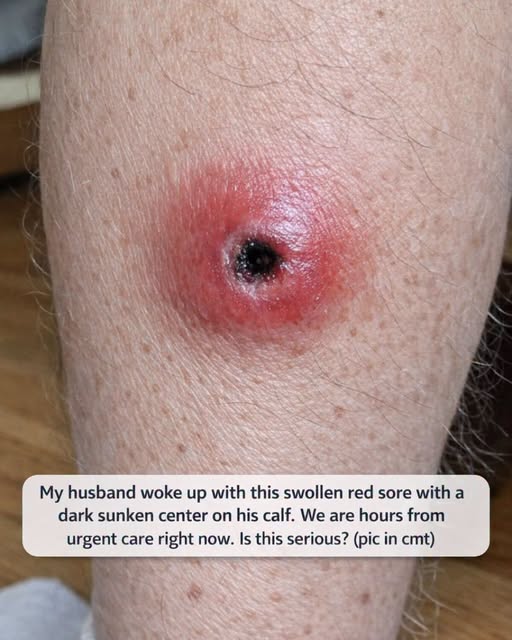
These specific visual cues—redness, swelling, and a cratered or discolored center—often point toward underlying issues that require clinical intervention. Potential causes for such lesions include bacterial infections like cellulitis, an abscess, or a staph infection such as MRSA. Additionally, in specific geographic regions, particularly the south-central and Midwestern United States, a bite from a brown recluse spider is a possibility. Because these conditions can escalate quickly, it is crucial to avoid the common pitfall of attempting to self-diagnose the wound as a simple insect bite or a minor irritation. The reality is that the appearance of a dark, sunken center often indicates that the tissue beneath the skin may be undergoing significant stress or necrosis, which requires professional diagnostic tools to identify correctly.
The appearance of the lesion serves as a primary indicator of its severity. A red outer ring surrounding a dark, bluish, purple, or black center may suggest tissue damage or compromised blood flow. If the area exhibits a blood-filled blister or if the surrounding skin feels tight, hot, or excessively swollen compared to the rest of the limb, the situation has moved beyond the scope of home observation. These signs warrant an immediate trip to a healthcare provider for a thorough examination and appropriate treatment. It is important to remember that while spider bites are a common concern, bacterial infections are statistically more frequent and can be just as damaging if left untreated.
Beyond the local appearance of the sore, systemic symptoms provide critical data regarding the urgency of the condition. It is essential to monitor for signs that the infection may be spreading or affecting the entire body. Warning signs that require immediate medical attention include the development of a fever of 100.4°F or higher, persistent chills, nausea, vomiting, dizziness, or confusion. If the individual appears unusually lethargic, shaky, or experiences a rapid heartbeat, these are significant indicators that the body is struggling with a potentially serious infection that necessitates urgent intervention. Do not wait for these systemic symptoms to become severe before seeking help.
While preparing for a trip to a medical facility, there are safe, evidence-based steps that can be taken to manage the area. Gently clean the lesion with mild soap and lukewarm water, then pat it dry with a clean towel. If the skin is broken, cover the area loosely with a sterile, dry dressing. To help manage discomfort and swelling, elevate the affected limb above the level of the heart. You may also use a cloth-wrapped ice pack for short intervals—ten minutes on and ten minutes off—to soothe the area. One of the most practical actions you can take is to use a pen to trace the outer edge of the redness and note the time. This provides medical professionals with a clear, objective record of whether the inflammation is expanding over the course of your travel. Tracking the spread of redness is one of the most reliable ways to communicate the progression of the infection to a doctor.
It is equally important to know what actions to avoid, as many traditional home remedies can exacerbate the injury. Do not attempt to lance, cut, or squeeze the sore in an effort to drain it, as this can introduce new bacteria and deepen the infection. Similarly, avoid the use of suction devices or tourniquets. Refrain from applying heat, which can increase blood flow to an infected area and potentially spread the infection further. Furthermore, do not apply unverified home remedies, such as potato poultices, essential oils, butter, or baking soda pastes. These substances are not medically validated and can cause significant skin irritation or delay necessary treatment. Likewise, do not utilize leftover antibiotics from previous prescriptions, as using the wrong medication can complicate the clinical picture and delay an accurate diagnosis. The skin is a delicate barrier, and introducing non-sterile substances into an already compromised wound significantly increases the risk of secondary infections.
The primary goal when managing a suspicious skin lesion is to prevent the progression of infection and ensure that any underlying tissue damage is addressed by a qualified professional. Because symptoms like redness, pain, and a dark center can arise from various causes, including serious bacterial infections, it is safer to prioritize professional assessment over home-based theories. When in doubt, especially if the lesion is expanding or accompanied by systemic illness, seeking medical care is the most responsible and evidence-based course of action to protect overall health and prevent long-term complications. Medical professionals are trained to differentiate between a localized skin issue and a systemic infection, and their intervention is the only way to ensure proper healing and avoid the risks associated with untreated wounds.