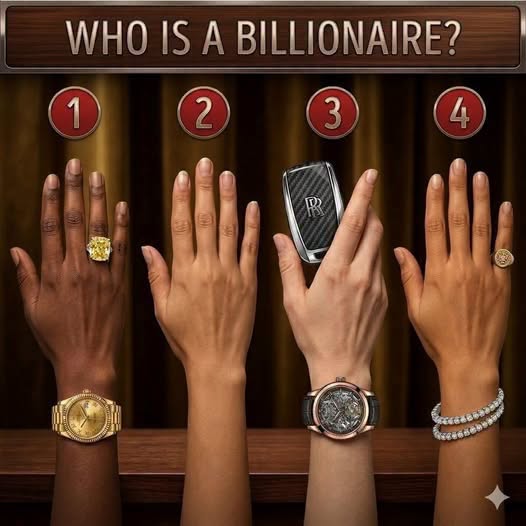
True wealth, particularly at the highest echelons of society, frequently operates on the principle of quiet luxury. This aesthetic is defined not by the presence of logos or the size of a diamond, but by the absence of performative display. When an individual has nothing to prove, they no longer feel the need to broadcast their financial standing through external markers. Instead, they pivot toward a philosophy of restraint, where quality is understood through subtle, internal indicators rather than loud, external advertisements.
Consider the difference between performative wealth and authentic status. Performative wealth relies on the gaze of others; it requires an audience to validate the expenditure. It is a loud, reactive state of being that seeks to occupy space and demand attention. In contrast, authentic high-net-worth status is inherently inward-facing. It is comfortable with anonymity because its power is derived from security, influence, and access, none of which require a gold-plated accessory to function. The billionaire in the room is often the one who is most at ease, not the one who is most decorated.
This shift toward subtlety manifests in several key areas. Grooming, for instance, becomes a marker of discipline rather than vanity. A well-tailored garment that fits perfectly, made of high-quality fabric, speaks volumes more than a mass-produced item covered in a brand logo. Posture, too, plays a significant role. There is a specific form of confidence that comes from knowing one’s position is secure, a calm stillness that does not feel the need to fidget or gesture aggressively to command a room. This restraint is the hallmark of those who have moved beyond the need for validation.
The distinction between these two worlds is essential for understanding how power functions in modern society. When we focus on the flash, we miss the substance. We become distracted by the shiny object, much like a person looking at a forest might only see the deer and miss the hidden face within the trees. Our brains are hardwired to look for the most obvious, high-contrast signals, but wisdom lies in training our eyes to appreciate the nuance of the background. Wealth is not always a shout; it is often a whisper, and that whisper carries the weight of true, unshakeable authority.
Furthermore, the culture of quiet luxury is a rejection of the noise that defines much of contemporary consumerism. It is a deliberate choice to prioritize longevity, craftsmanship, and personal comfort over the fleeting trends of the season. When someone chooses to invest in a lifestyle that is not designed for public consumption, they are essentially reclaiming their own time and attention. They are no longer a participant in the race to signal status to strangers, which is perhaps the ultimate form of freedom that money can provide.
Ultimately, the lesson here is that our assumptions about wealth are often reflections of our own desires or insecurities. We project what we believe wealth should look like onto others, but the most powerful people in the room are often the ones who have opted out of that projection entirely. They understand that true power is found in the quiet, in the details that only the initiated can recognize, and in the confidence to remain understated in a world that is obsessed with being loud. By observing these patterns, we learn that the loudest signals are often the most superficial, while the most significant indicators of prosperity are those that require a closer, more thoughtful examination to truly comprehend.
To navigate this reality, adopt a more discerning approach to your own life. Focus on the quality of your choices rather than the quantity of your possessions. Invest in items and experiences that offer genuine value and longevity, rather than those that serve merely as status symbols. Practice the art of restraint in your personal presentation and communication. By cultivating a presence that is calm, intentional, and unbothered by the need for external validation, you align yourself with the mindset of those who possess true, lasting influence. Remember that the most potent form of presence is one that does not need to announce itself to be felt, as true security is always self-evident.