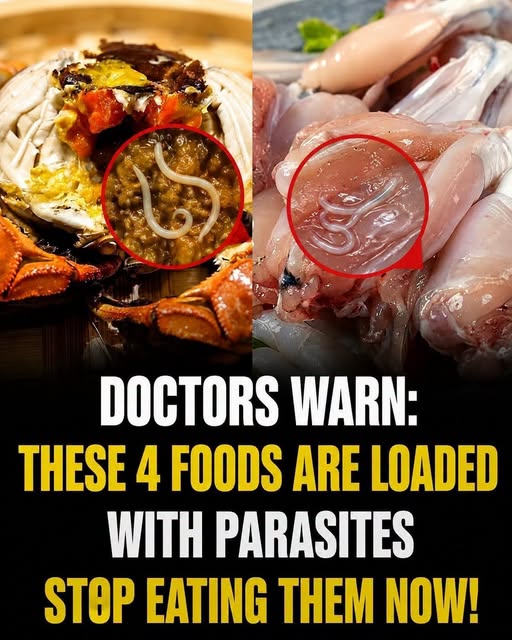
against foodborne illnesses. Parasites, which are organisms that live on or inside a host, can sometimes enter the human food chain through contaminated water, soil, or improper handling during the processing phase. Common food categories often cited in safety discussions include raw or undercooked meats, certain varieties of freshwater fish, unwashed produce, and even some types of aquatic plants. Recognizing these categories is not a call for avoidance, but rather a prompt for increased awareness regarding preparation techniques.
The primary defense against these organisms is heat. Most parasites, including common protozoa and helminths, are highly sensitive to temperature fluctuations. Cooking food to the internal temperatures recommended by health authorities—typically 145 degrees Fahrenheit for whole cuts of meat and 165 degrees Fahrenheit for poultry—ensures that any potential pathogens are destroyed. For those who enjoy raw preparations like sushi or tartare, the industry standard relies on freezing fish at specific sub-zero temperatures for a set duration, a process scientifically proven to kill parasites.
Cross-contamination is another critical factor that experts emphasize. Even if a food item is cooked perfectly, it can be re-contaminated if it comes into contact with raw surfaces, utensils, or hands that have touched contaminated items. Maintaining a clean kitchen environment involves separating raw proteins from ready-to-eat foods, such as vegetables or fruits. Using distinct cutting boards and washing hands thoroughly with soap and warm water for at least twenty seconds after handling raw ingredients are simple, evidence-based habits that significantly lower the risk of transmission.
Produce safety is equally important, particularly for items grown in soil or near water sources. Parasites can adhere to the surfaces of leafy greens, berries, and root vegetables. Thoroughly washing produce under running water helps to remove physical debris and potential contaminants. While commercial produce is generally safe, those who grow their own food or purchase from local markets should be particularly diligent about cleaning soil from vegetables, as soil can harbor eggs or cysts that are not immediately visible to the naked eye.
Water quality also plays a role in the safety of the food we consume. Irrigation water that has been contaminated by animal or human waste can introduce parasites into the agricultural cycle. While large-scale agricultural operations are subject to strict safety regulations and monitoring, the risk is never zero. This is why the combination of washing, peeling, and cooking remains the most effective multi-layered approach to safety. When traveling to regions with less stringent water quality standards, experts often advise avoiding raw salads or unpeeled fruits.
It is also essential to distinguish between high-risk handling and safe consumption. The risk associated with a specific food item is often tied to its origin and the conditions under which it was processed. For instance, game meat, which may not undergo the same level of inspection as commercially processed meat, requires extra care and longer cooking times. Similarly, wild-caught fish from certain freshwater environments may carry a higher parasite burden than farmed varieties, necessitating stricter adherence to freezing and cooking guidelines.
Public health experts consistently highlight that our modern food supply chain is remarkably safe, thanks to advancements in technology and oversight. However, the responsibility for safety often shifts to the consumer once the product enters the home. By adopting a cautious, informed approach to food preparation, individuals can mitigate the vast majority of risks. This involves staying updated on food recalls, understanding the specific requirements for different food types, and maintaining a high standard of personal kitchen hygiene. Vigilance is a tool, not a burden.
Ultimately, the goal of food safety education is to empower consumers rather than to instill fear. When we understand that parasites are biological organisms with specific vulnerabilities, we can see that our standard culinary tools—heat, cold, and cleanliness—are highly effective weapons. There is no need to eliminate entire food groups from your diet based on generalized concerns. Instead, focus on the consistent application of evidence-based practices. By treating every meal as an opportunity to practice safe handling, you create a sustainable and healthy relationship with the food you eat. This proactive mindset ensures that your kitchen remains a place of nourishment and wellness.
In conclusion, the evidence strongly suggests that while parasites can be found in various food sources, they are not an inevitable consequence of eating. The risk is manageable through the diligent application of established food safety guidelines. Proper cooking temperatures, the prevention of cross-contamination, and the thorough cleaning of fresh produce are the pillars of a safe kitchen. By focusing on these objective, science-backed strategies, consumers can confidently navigate their dietary choices and minimize the potential for foodborne illness in their daily lives.